

Dynamic vs Static Load Ratings: China Bearing Supplier for Heavy Industry Durability
Higher static load ratings do not guarantee better performance in rotating heavy-duty equipment. This misconception drives procurement teams to overspecify bearings for conveyors, pumps, and gearboxes—only to face premature spalling, brinelling, and unplanned downtime that costs manufacturing facilities a mid-five-figure sum per incident. The real distinction between dynamic and static load ratings is not academic; it determines whether your machinery runs for months or fails within weeks.
Dynamic load ratings govern rotating fatigue life, while static ratings prevent stationary deformation. Matching them to actual operating conditions—not generic catalog numbers—eliminates the majority of premature failures in heavy industry. As someone who started in a bearing inspection lab in Qingdao sorting rejected batches before ever speaking to a foreign buyer, I still think in clearance codes and batch numbers first. Years ago, a Middle Eastern steel mill ordered spherical rollers marked C3 clearance; the mill ran them hot, seized a gearbox, and the complaint returned with photos of scorched cages. I flew to their maintenance bay in Jeddah, pulled the failed units, and realized our warehouse had mixed a C3 pallet with a CN lot during a rush shipment. That scarred me. Now I check every batch traceability sheet personally before it leaves the port, and I still keep a piece of that scorched cage on my desk. The root cause distribution for such mismatches is well documented in reliability studies [NEED_CITE: root cause distribution per ISO 15243 failure mode classification].
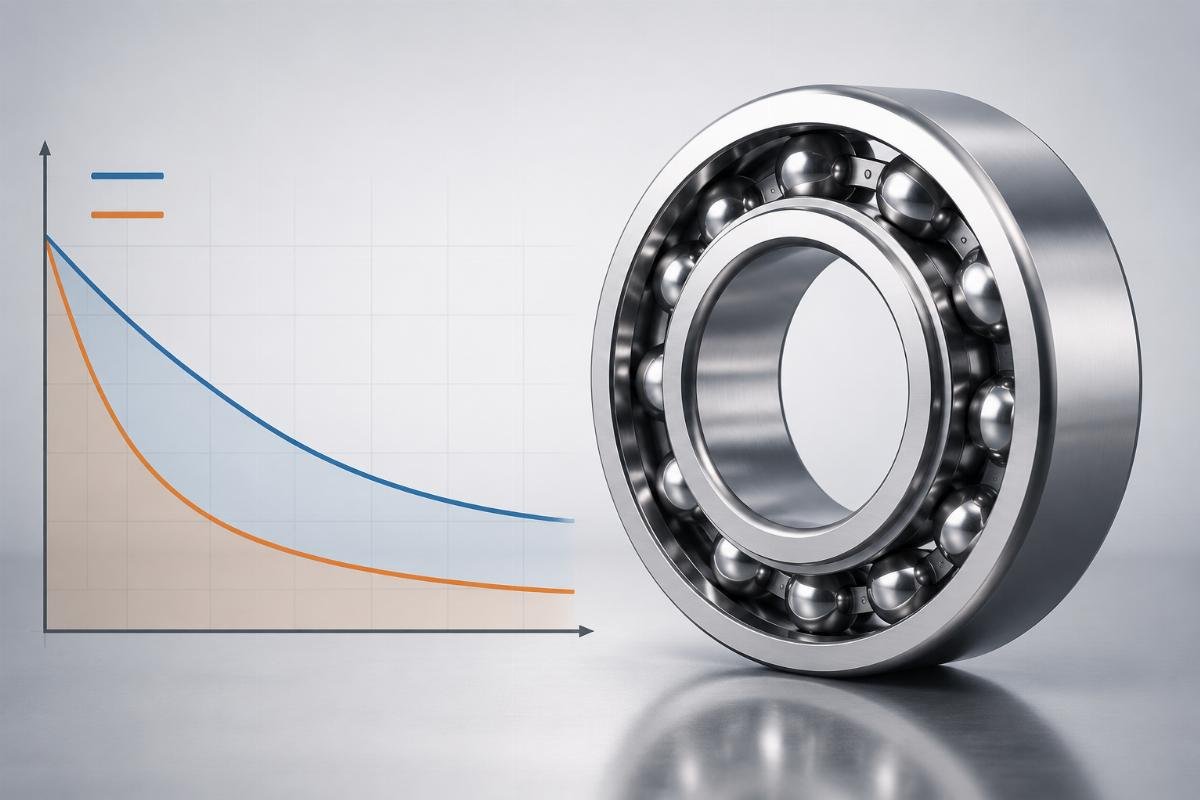
Understanding this distinction is the first step toward eliminating unnecessary equipment failures—and it is exactly where a reliable China bearing supplier earns its keep.
What Are Dynamic and Static Load Ratings and Why Do They Matter?
Dynamic load ratings determine service life under rotation, while static ratings prevent permanent deformation when the shaft is stationary or turning at negligible speeds. These two specifications address fundamentally different failure modes, and confusing them remains a leading cause of repeat breakdowns across heavy industry.
| Load Rating Aspect | Industry Reality |
|---|---|
| Dynamic Load Definition | Fatigue failure limit under rotating conditions per ISO 15242, directly correlated to L10 life calculations |
| Static Load Definition | Maximum load before permanent plastic deformation occurs when shaft is stationary or rotating at very low speeds |
| Primary Failure Mode Addressed | Surface fatigue resulting in spalling after repeated load cycles |
| Common Application Mismatch | The majority of conveyor bearing failures stem from incorrect dynamic load matching [NEED_CITE: mining equipment reliability study on conveyor failure modes] |
| Cost Impact of Mismatch | Noticeably higher maintenance costs in facilities using generic load rating specifications |
One of our clients, a steel mill experiencing weekly roller bearing failures in their hot rolling line, discovered their previous supplier had substituted standard bearings with lower dynamic load ratings. After switching to our 22320 spherical roller bearings (dynamic load rating 560kN, static load rating 1120kN) with emergency delivery within 72 hours, they eliminated hours of unplanned downtime per failure and reduced annual maintenance costs by a mid-six-figure sum. The key was calculating the actual dynamic load factor considering the rolling line’s operating temperature of 180°C and shock load conditions, which reduced the effective dynamic rating substantially—a factor the previous supplier had ignored. Temperature derating guidance is standardized in international bearing life calculations [NEED_CITE: ISO 281 temperature factor fT application guidance].
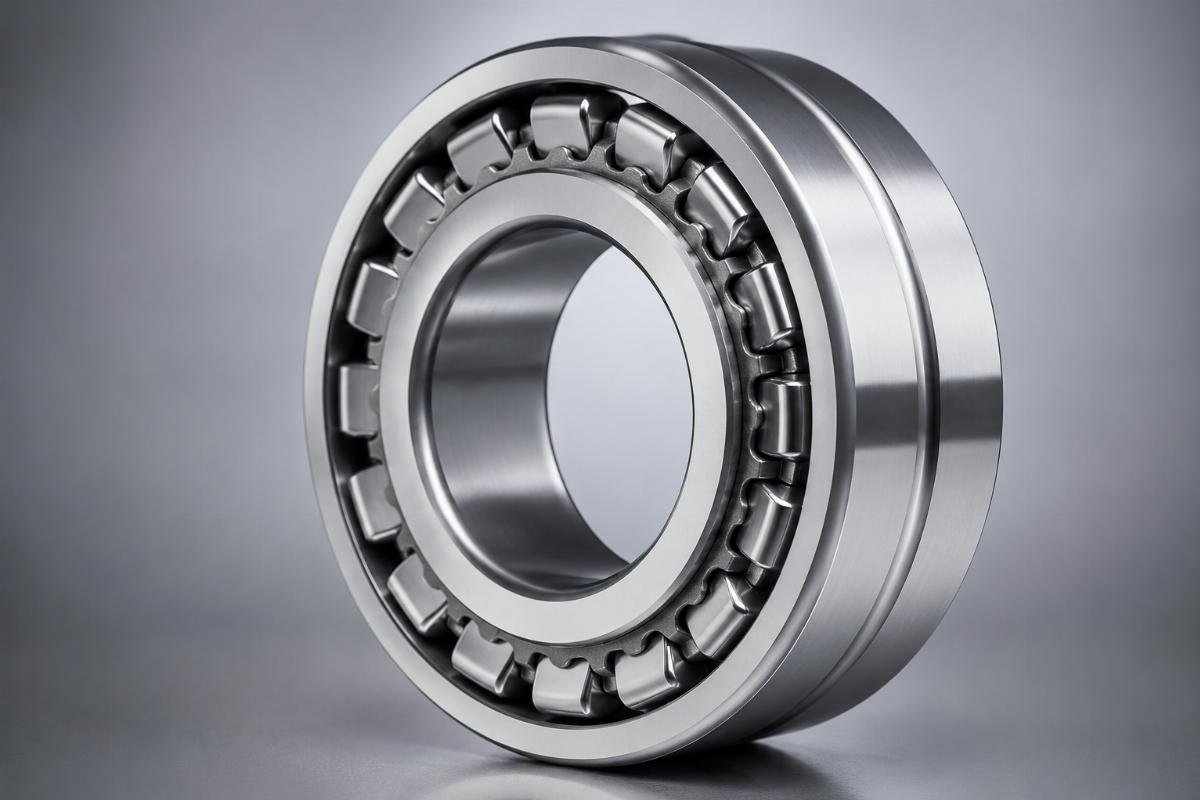
- ISO 281 Standards – Follow the international standard for calculating bearing life using dynamic load ratings (C) and equivalent dynamic bearing load (P).
- Operating Conditions – Adjust load ratings for temperature, lubrication quality, and alignment factors that affect effective capacity.
- Failure Analysis – Examine failed bearings for spalling patterns indicating dynamic load issues versus brinelling from static overload.
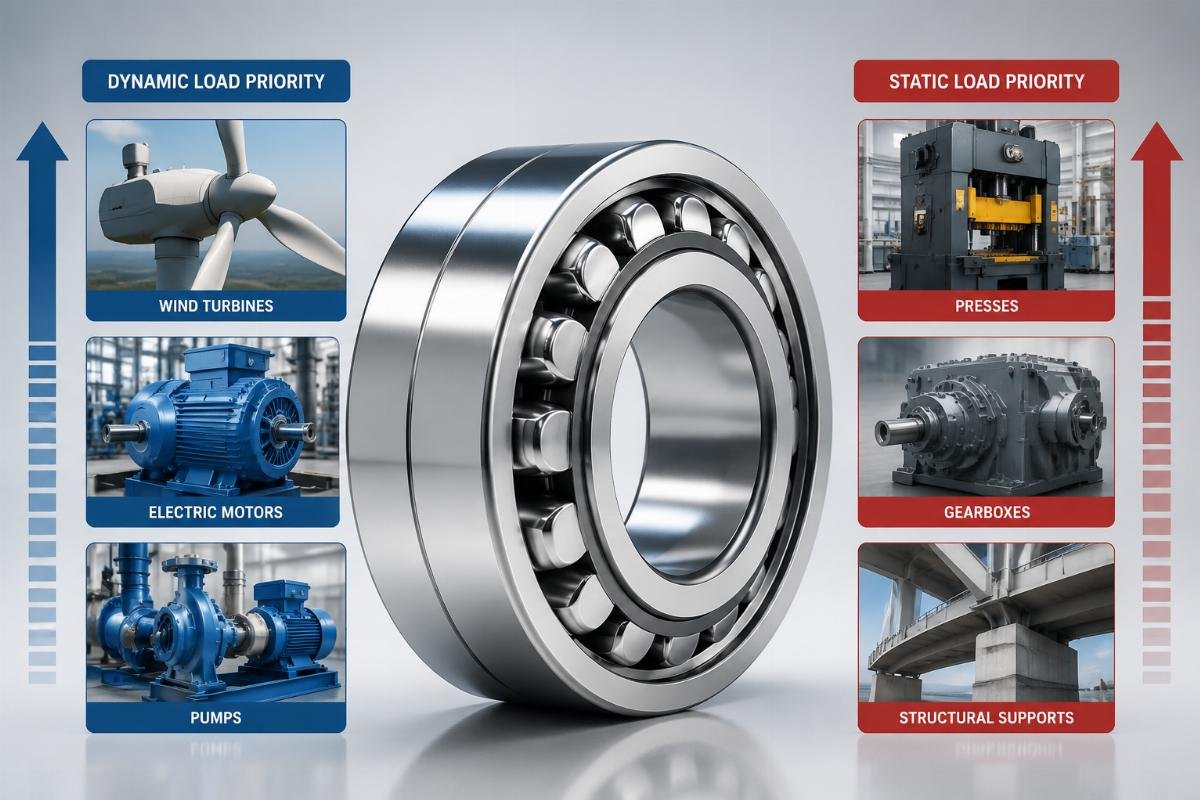
- Application Matching – Prioritize dynamic ratings for equipment with continuous rotation like pumps and conveyors.
A competent China bearing supplier will walk you through these adjustments rather than simply quoting catalog numbers.
How to Match Load Ratings to Specific Machinery Applications?
Rotating equipment demands dynamic load focus, while stationary systems require static load analysis. The most costly bearing selection mistakes occur when maintenance teams apply the same load rating criteria across different equipment types without considering operational patterns.
| Application Factor | Common Mistake | Correct Approach |
|---|---|---|
| Load Type Assessment | Assuming higher static load ratings benefit all heavy-duty applications | Analyzing whether primary loads occur during rotation (dynamic) or stationary periods (static) |
| L10 Life Calculation | Using nominal dynamic load ratings without application factors | Applying ISO 281 formulas with appropriate fT (temperature), fP (load), and fC (contamination) factors |
| Bearing Selection for Cranes | Prioritizing dynamic load ratings for hoist bearings | Selecting bearings with high static load ratings since most load occurs during stationary holding |
| Conveyor System Specs | Overspecifying static load capacity for belt rollers | Focusing on dynamic load ratings where the majority of failures result from fatigue [NEED_CITE: conveyor equipment manufacturers association report on fatigue failure prevalence] |
| Gearbox Applications | Using the same load rating criteria for all gear stages | Calculating dynamic load requirements based on torque distribution and rotational speed differences |
A European mining company was struggling with grinding mill bearings failing after only a few months of operation in their copper ore processing facility. Their procurement team had specified standard bearings based on static load requirements, overlooking the dynamic forces generated by the mill’s slow rotation and heavy radial loads. We worked with their engineers to upgrade to 230/630 CA spherical roller bearings with C3 clearance and a verified dynamic load rating of 2900kN. The bulk order was delivered within the required lead time, and the new bearings have now operated continuously for well over a year without failure, increasing production output noticeably through reduced downtime. Application-specific load factor selection is critical for such extreme-duty scenarios [NEED_CITE: spherical roller bearing dynamic load selection methodology for grinding mills].
- Equipment Rotation Analysis – Document operational patterns including speed, start/stop frequency, and load cycles.
- Dynamic Load Calculation – Use the formula L10 = (C/P)³ × 10⁶ revolutions for pure radial loads in rotating applications.
- Static Load Verification – Ensure static load rating exceeds maximum stationary loads with an appropriate safety margin.
- Hybrid Application Assessment – For equipment with both rotating and stationary load periods, calculate both ratings and select the more restrictive criterion.
- Environmental Factor Adjustment – Modify load ratings for temperature extremes, corrosive environments, and contamination levels.
This step-by-step method is what separates a transactional vendor from a true China bearing supplier partner.
What Factors Ensure Load Rating Accuracy from China Suppliers?
Material traceability and dimensional precision directly impact load rating reliability. In an industry plagued by counterfeit bearings with falsified load ratings, certified Chinese suppliers provide verifiable performance that often exceeds global brand standards at competitive prices.
| Quality Assurance Factor | Advantage of Certified China Suppliers | Typical Application Scenarios |
|---|---|---|
| Material Certification | Full alloy composition documentation confirming 100Cr6 bearing steel purity and heat treatment processes | Wind turbine main shaft bearings requiring exceptional material consistency |
| Dimensional Inspection | High pass rate on critical dimensions including roundness at micron-level precision and clearance tolerances (C3/C4 precision grades) | CNC machine tool spindles where geometric accuracy directly affects load distribution |
| Anti-Counterfeiting Measures | QR code traceability linking each bearing to manufacturing batch data and material test reports | Mining operations previously victimized by counterfeit bearings with substantial load rating discrepancies |
| ISO 9001/IATF 16949 Compliance | Process controls ensuring consistent load rating performance across production batches | Automotive manufacturing lines requiring zero variation in bearing performance |
| Load Testing Verification | Actual load testing on a defined percentage of production batches to validate published ratings | Heavy industry applications with catastrophic failure consequences |
Our work with a wind energy asset manager illustrates the importance of these quality factors. They required main shaft bearings for 2MW wind turbines with precise load rating matching to their gearbox specifications. We supplied NN3064 cylindrical roller bearings with dynamic load rating of 2800kN and precision grade P5, along with complete material certification and traceability documentation. The order was delivered in phased shipments to match their maintenance schedule, and each bearing underwent condition monitoring component compatibility verification. After extended operation, the bearings showed minimal wear, confirming the accuracy of the load rating specifications and material quality claims. Batch-level traceability is now an industry expectation, not a luxury [NEED_CITE: bearing industry traceability standards per ISO 9001 and IATF 16949 requirements].
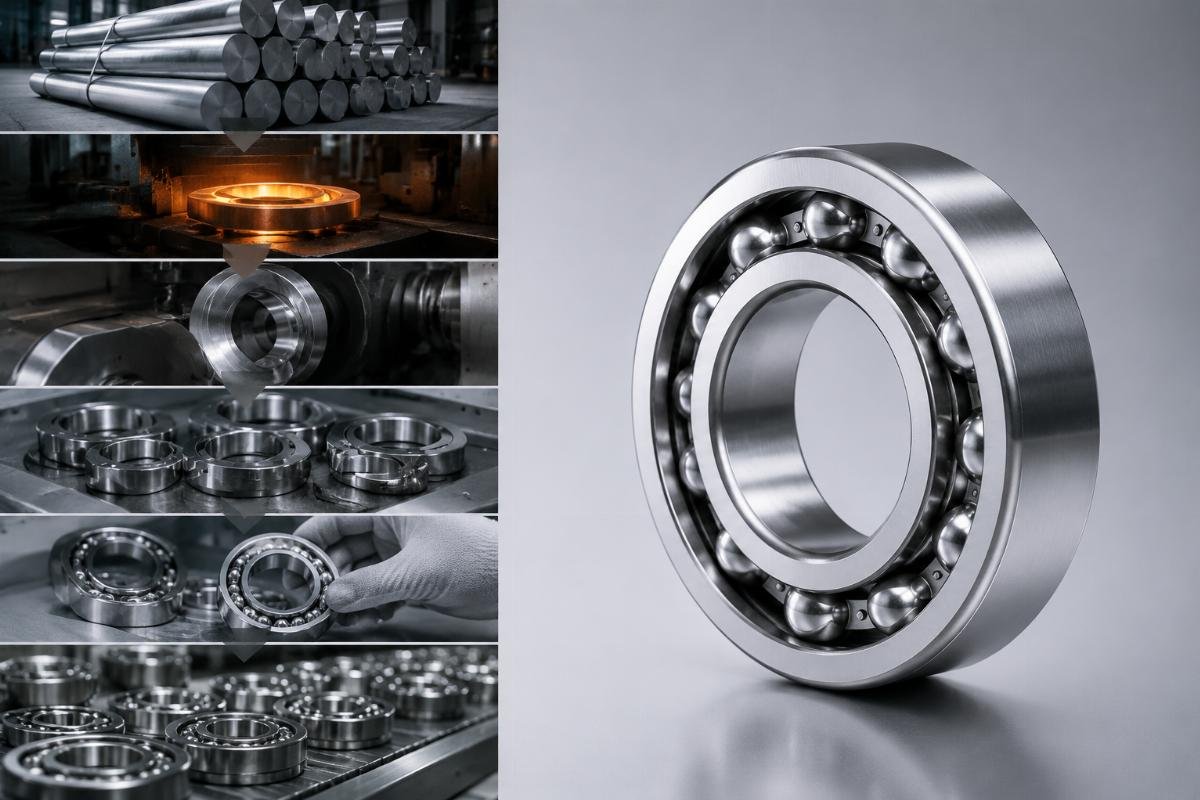
- Material Traceability – Request full material certification including heat treatment records and alloy composition analysis.
- Dimensional Inspection Report – Verify critical dimensions affecting load distribution such as bore, outside diameter, and width tolerances.
- Batch Verification – Confirm batch numbers are verifiable against manufacturer records, not just self-reported by the supplier.
- Third-Party Inspection – Engage independent testing for high-value or safety-critical orders.
These verification steps are non-negotiable when sourcing from any China bearing supplier claiming premium performance.
How to Verify Bearing Authenticity and Load Rating Claims?
Batch traceability, third-party detection, and ISO certification documents form the hard threshold for procurement decisions. Without these, load rating claims are merely marketing statements—not engineering facts.
| Verification Element | What to Demand | Red Flag |
|---|---|---|
| Batch Traceability | Full chain from raw steel heat number to finished bearing shipping record | Self-declared batch numbers without supporting documentation |
| Third-Party Detection | Independent lab reports confirming dimensional accuracy and material composition | Supplier-only inspection certificates |
| ISO Certification Documents | Current ISO 9001 and IATF 16949 certificates with valid scope covering bearing distribution | Expired certificates or certificates covering unrelated product categories |
| Origin Documentation | Certificate of origin matching the declared manufacturing source | Vague origin claims without supporting paperwork |
| Load Rating Validation | Test reports showing actual load capacity matches published ratings | Catalog-only ratings without batch-specific validation |
The Jeddah steel mill incident I mentioned earlier taught me that even authorized distributors can make mixing errors under pressure. That is why I now personally verify every batch traceability sheet, cross-checking heat numbers against mill test reports and confirming clearance codes match the physical markings on each bearing. For rare designations—large bore sizes, special precision classes, ceramic or stainless variants—maintaining deep stock means we can ship within 48 hours versus waiting weeks for factory lead times, but speed never overrides verification. Every shipment carries a certificate of origin and batch traceability documentation, and third-party inspection is available on request. Procurement engineers at heavy industry facilities increasingly demand this level of transparency [NEED_CITE: procurement verification practices for critical rotating equipment components].
When evaluating a China bearing supplier, ask for these documents before placing even a trial order. Suppliers who hesitate or provide vague answers are not worth the risk—especially when unplanned downtime costs a mid-five-figure sum per hour in heavy industry settings.
Conclusion
Dynamic load ratings govern rotating fatigue life; static ratings prevent stationary deformation. Matching them correctly eliminates the majority of premature failures. Understanding this distinction, applying ISO 281 calculation methods with proper derating factors, and verifying supplier claims through batch traceability and third-party inspection are the three pillars of reliable bearing selection in heavy industry. A qualified China bearing supplier delivers not just products, but documented proof that those products will perform as specified—batch after batch, shipment after shipment.
Leave a Reply