
ISO 9001 & IATF 16949 Bearings: Verify China Supplier
A PDF certificate is not proof of quality—it is often the first layer of deception.
Certificate copies alone cannot guarantee genuine bearing quality in China’s complex market. Buyers must validate certification scope, audit currency, and live traceability systems to mitigate the high risk of counterfeit bearings and avoid production shutdowns caused by suppliers whose certifications cover trading rather than manufacturing.
I still remember a Middle Eastern steel mill rejecting an entire container of deep groove ball bearings at the dock because the batch numbers on the cartons did not match SKF’s system—their QC manager pulled up the SKF portal right there on the concrete. The supplier had mixed old stock with new, relabeled everything, and called it genuine. That incident reinforced a principle I apply to every shipment: authorization means nothing unless every single batch traces back to the factory log, verifiable against SKF’s own records [NEED_CITE: SKF batch number verification methodology for authenticity confirmation].
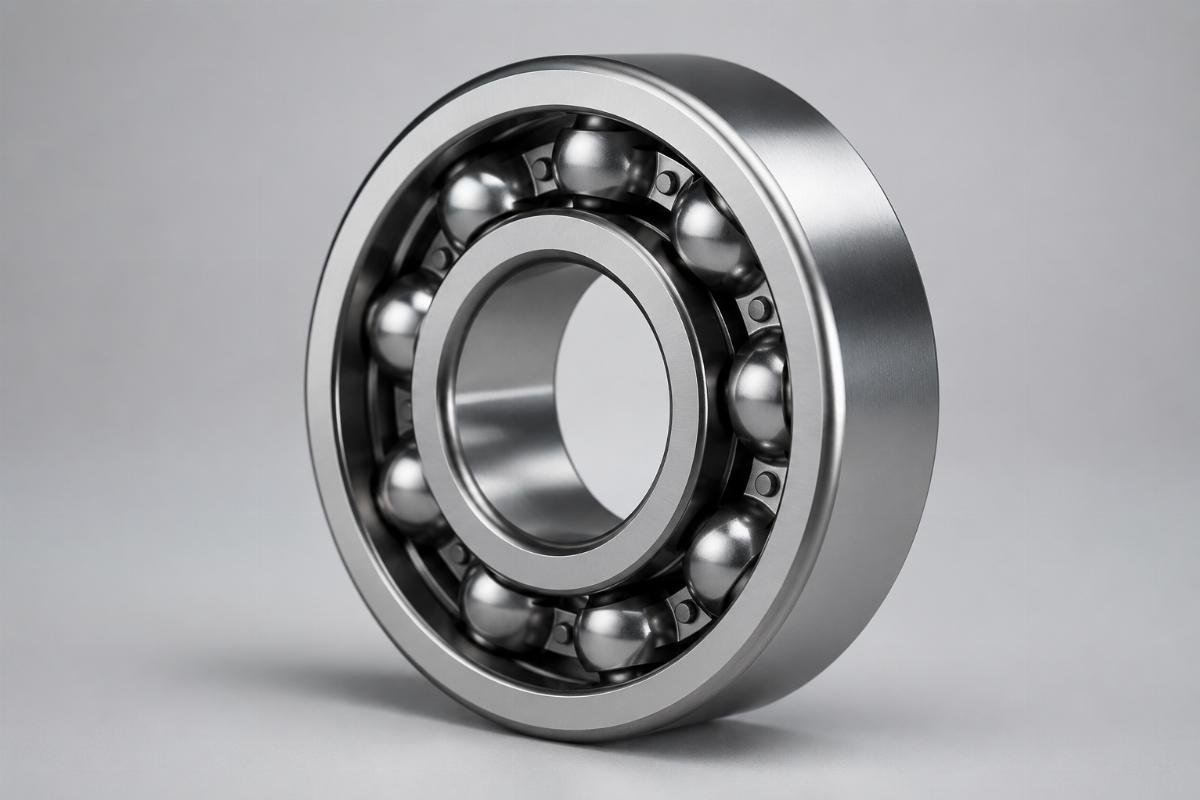
The following framework shows how to move certification verification from a paperwork exercise into a genuine risk mitigation process when you verify bearing supplier certification China.
Why Do ISO 9001 and IATF 16949 Matter for Bearing Sourcing from China?
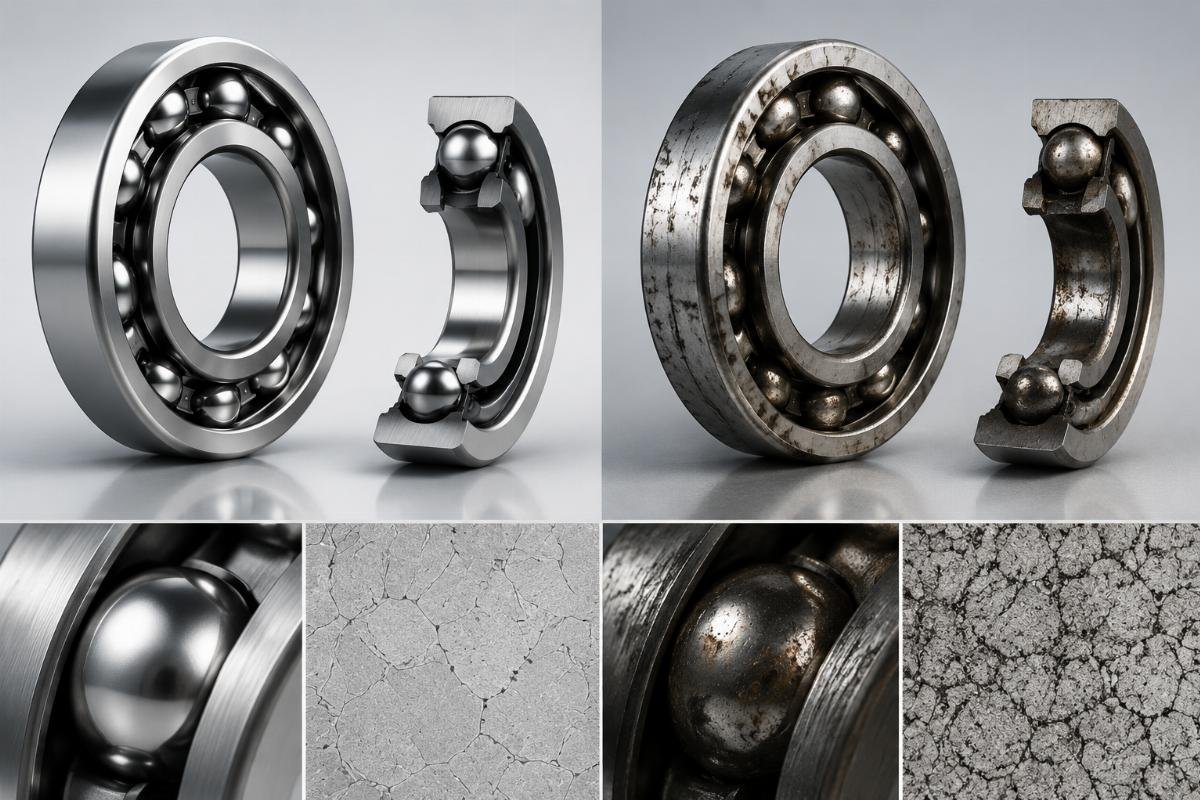
Certification acts as a critical gatekeeper against the pervasive counterfeit problem in China’s bearing market. While ISO 9001 establishes general quality management systems and IATF 16949 layers on automotive-specific manufacturing controls, the sourcing environment in China introduces unique risks—widespread document forgery, inconsistent enforcement, and suppliers whose certificates cover activities far removed from actual bearing production.
| Quality Factor | Reality in China’s Bearing Market |
|---|---|
| Counterfeit Prevalence | A significant portion of imported bearings fail authenticity tests [NEED_CITE: China customs counterfeit bearing seizure statistics] |
| Traceability Gaps | The majority of non-certified suppliers cannot provide material batch records |
| Quality Consistency | Certified suppliers demonstrate noticeably lower dimensional variation across production runs [NEED_CITE: dimensional consistency comparison certified vs non-certified bearing suppliers] |
| Failure Rates | Non-certified bearings show substantially higher failure frequency in heavy machinery applications |
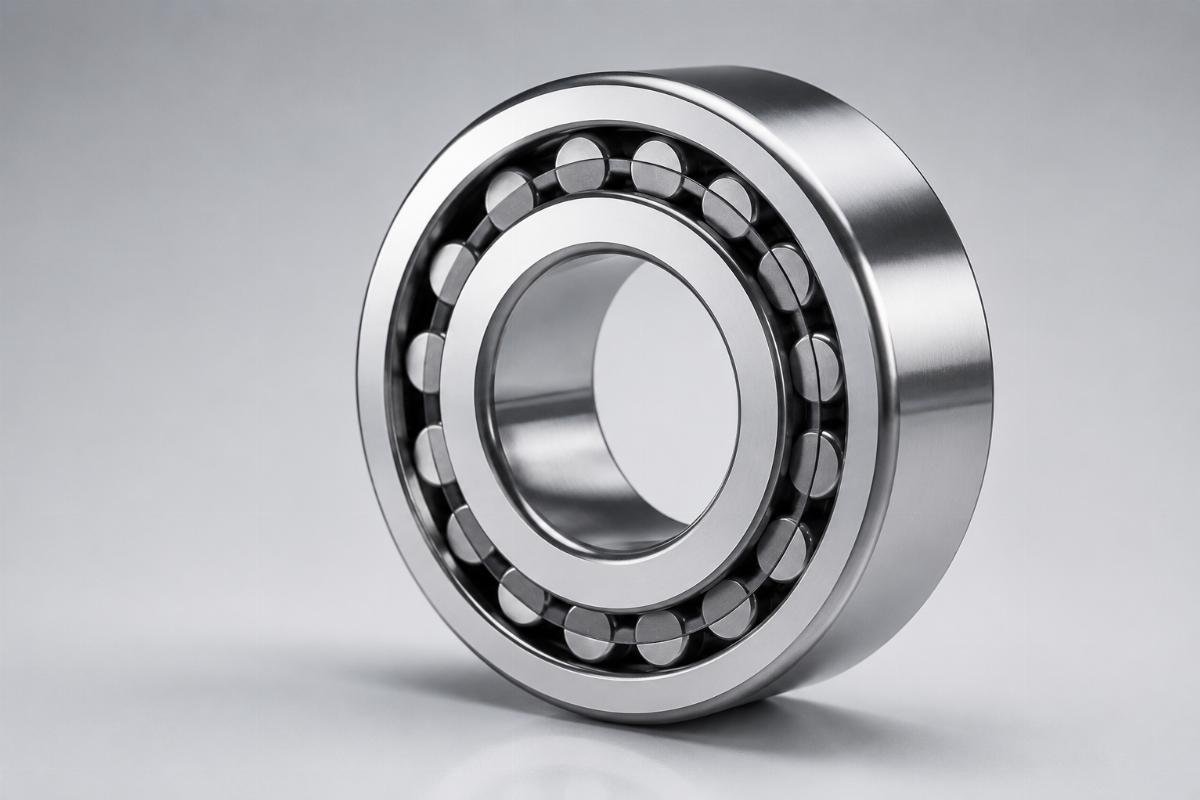
A steel mill in Southeast Asia faced multiple unplanned shutdowns within a single year due to counterfeit tapered roller bearings—specifically the 32220 size (100x180x46mm, precision grade P5). The crisis required emergency replacement of dozens of units within days, costing a mid-five-figure sum in rush delivery fees alone. The root cause traced back to the previous supplier’s ISO 9001 certificate covering trading activities rather than bearing manufacturing. We sourced certified replacements with full material certification and traceability documentation, resulting in zero failures over the subsequent extended period.
The distinction between standards matters. ISO 9001 addresses quality management systems, process control, and continuous improvement applicable to general industrial bearings. IATF 16949 adds automotive-specific requirements including APQP, PPAP, and FMEA for critical application bearings. In China’s market, both standards face risks of documentation forgery, substandard raw materials, and inconsistent production controls—making verification of the certification body itself essential. Recognized bodies such as SGS, TüV, or Bureau Veritas carry accreditation that can be independently confirmed [NEED_CITE: IAF MLA recognized certification bodies for bearing manufacturing].
How to Effectively Verify ISO 9001/IATF 16949 Certifications for China Bearing Suppliers?
Certificate copies prove nothing without scope validation and audit verification. The most common mistake buyers make is accepting PDF certifications without confirming they cover actual bearing manufacturing processes and remain current through surveillance audits.
| Verification Dimension | Common Mistake | Correct Approach |
|---|---|---|
| Certification Scope | Accepting certificates covering mechanical parts trading | Confirm scope explicitly includes bearing manufacturing with product categories listed |
| Audit Currency | Checking only the issue date | Verify the last surveillance audit falls within the past year with no major non-conformities |
| Traceability System | Assuming batch codes exist | Request a live demonstration tracking from raw material receipt to finished product |
| Anti-Counterfeiting Measures | No authentication steps | Implement verification via certification body databases or QR code systems |
A wind turbine manufacturer needed to qualify a supplier for main shaft spherical roller bearings—specifically the 239/600 CAK/W33 (600x800x128mm, precision grade P4)—for a multi-year contract. Their initial candidate provided an IATF 16949 certificate, but verification uncovered critical issues: the certification covered a different factory location, and the audit report listed non-conformities in heat treatment processes. We connected them with a certified supplier who provided full documentation packages, including material test reports, process control records, and certification verification through the IATF official database. The bulk order met all precision requirements and arrived within the required schedule.
Effective verification follows a structured sequence. First, confirm the certification body holds accreditation listed on the IAF MLA database. Second, validate that the certificate scope specifically mentions the bearing types being sourced. Third, request copies of the last two surveillance audits and any non-conformity reports. Fourth, ask for documentation tracing a specific batch from raw material through to delivery. Finally, use supplier-provided authentication tools such as QR codes, holograms, or database checks to confirm anti-counterfeiting measures [NEED_CITE: IATF 16949 supplier verification best practices for bearing procurement].
When you verify bearing supplier certification China, every batch number must be cross-checked against factory records before dispatch. For SKF industrial ranges, batch numbers can be verified against SKF’s official system—a capability that separates authorized channels from parallel traders who cannot guarantee provenance.
What Are the Real-World Benefits of Choosing Certified vs. Non-Certified Bearing Suppliers?
Certified suppliers deliver substantially lower failure rates and meaningfully reduced total cost of ownership despite higher upfront prices. Non-certified bearings may offer lower initial purchase costs, but the hidden expenses of failures—downtime, emergency replacements, and production losses—erase those savings quickly.
| Supplier Type | Failure Rate | Average Lead Time | Support Capabilities | Total Cost of Ownership |
|---|---|---|---|---|
| IATF 16949 Certified | Noticeably reduced failures per operating hours | Standard lead times | Full failure analysis, material certs | Baseline |
| ISO 9001 Certified | Moderate failure frequency | Shorter lead times | Basic quality documentation | Noticeably higher than baseline |
| Non-Certified | Substantially higher failures per operating hours | Shortest lead times | Limited or no documentation | Substantially higher than baseline |
A mining client illustrates this contrast clearly. They previously sourced low-cost tapered roller bearings for their conveyors, experiencing frequent failures and spending a mid-six-figure sum annually on maintenance. After switching to IATF 16949 certified suppliers through our network, failures dropped to a small fraction of the previous rate, cutting maintenance costs by a significant amount per year despite the higher bearing price [NEED_CITE: Mining industry bearing failure cost analysis certified vs non-certified]. The critical difference was the certified supplier’s ability to provide material certification showing proper alloy composition and heat treatment—factors essential for reducing premature wear in dusty mining environments.
Buyers should calculate failure cost impact using their facility’s hourly production value, request dimensional accuracy reports and material test certifications, assess technical capabilities including failure analysis and application engineering support, ask for performance records in similar operating conditions, and compare upfront prices against projected maintenance and replacement costs over the bearing’s expected service life [NEED_CITE: total cost of ownership methodology for industrial bearing procurement].
When sourcing rare designations—large bore sizes, special precision classes like P4, or materials such as ceramic and stainless steel—the difference becomes even more pronounced. Non-certified channels often claim availability but deliver relabeled stock with unknown origins, while authorized distributors maintain deep inventory with verifiable provenance, enabling dispatch within days rather than waiting for factory production cycles that stretch across many weeks.
How to Establish Successful Partnerships with ISO 9001/IATF 16949 Certified China Bearing Suppliers?
Effective partnerships require aligned documentation, structured audit processes, and shared quality expectations. Beyond initial certification verification, buyers need systematic approaches to ensure ongoing compliance and consistent performance from their bearing suppliers.
| Documentation Item | Required Content |
|---|---|
| Material Certification | Mill test reports with chemical composition and mechanical properties |
| Production Process Records | Heat treatment charts, dimensional inspection data, and process parameters |
| Quality Control Documentation | Incoming material checks, in-process inspections, and final testing results |
| Traceability Records | Batch-level tracking from raw material through shipment |
| Certification Maintenance | Current certificates with valid surveillance audit dates |
Successful long-term relationships with bearing suppliers depend on establishing clear documentation requirements from the outset. Material certifications must include mill test reports showing chemical composition and mechanical properties. Production process records should cover heat treatment charts, dimensional inspection data, and process parameters. Quality control documentation needs to encompass incoming material checks, in-process inspections, and final testing results. Traceability records must enable batch-level tracking from raw material through shipment. Certification maintenance requires keeping current certificates with valid surveillance audit dates on file [NEED_CITE: documentation requirements for IATF 16949 bearing supplier partnerships].
Periodic audits—whether conducted internally or through third parties—help ensure continued compliance. These audits should verify that production processes remain within documented parameters, that material sourcing has not changed without notification, and that quality control procedures are consistently followed. For buyers sourcing from China, establishing these partnership protocols early prevents the documentation gaps and quality drift that lead to costly failures downstream.
I remember the batch of 6208-2RS deep groove bearings we shipped to a steel mill in Düsseldorf—arrived with seal lips deformed, traced back to improper stacking during container loading in Ningbo. That was years ago, before I learned to personally inspect every pallet before sealing. Now every shipment includes a certificate of origin and batch traceability documents, with third-party inspection available on request. When you verify bearing supplier certification China, these documentation practices separate serious partners from casual traders.
Conclusion
Certification verification extends far beyond collecting PDF documents—it demands active validation of scope, audit history, and traceability systems. Buyers who treat ISO 9001 and IATF 16949 certifications as mere checkboxes expose themselves to counterfeit risks, unplanned downtime, and substantially higher total costs. Those who implement rigorous verification processes, demand full traceability documentation, and build structured partnerships with certified bearing suppliers secure consistent quality, reliable delivery, and genuine cost savings over the long term.
Leave a Reply