

How Chinese Bearing Suppliers Offer Cost-Effective Alternatives to Imports
Most buyers assume Chinese bearings are cheap because corners were cut. The reality is that brand markups, layered tariffs, and bloated logistics account for the real price gap — not material or precision.
Chinese bearing suppliers now deliver imported-grade quality at 20-35% lower total procurement costs, backed by full material traceability, precision certification, and application engineering support — without sacrificing dimensional tolerances, fatigue life, or delivery certainty.
I started out on the shop floor in Wuxi, greasing bearings and reading batch codes off SKF boxes before I ever saw a purchase order. Years later, a mining buyer in Chile received a batch of spherical rollers from a broker who had relabeled domestic stock as imported SKF. The seals failed in three months, and the downtime cost them ten times what they thought they saved. That moment changed how I think about the word "cost-effective" — in bearings, it is often a trap signal unless batch traceability is verified. [NEED_CITE: global bearing market size and Asian supplier growth trajectory]
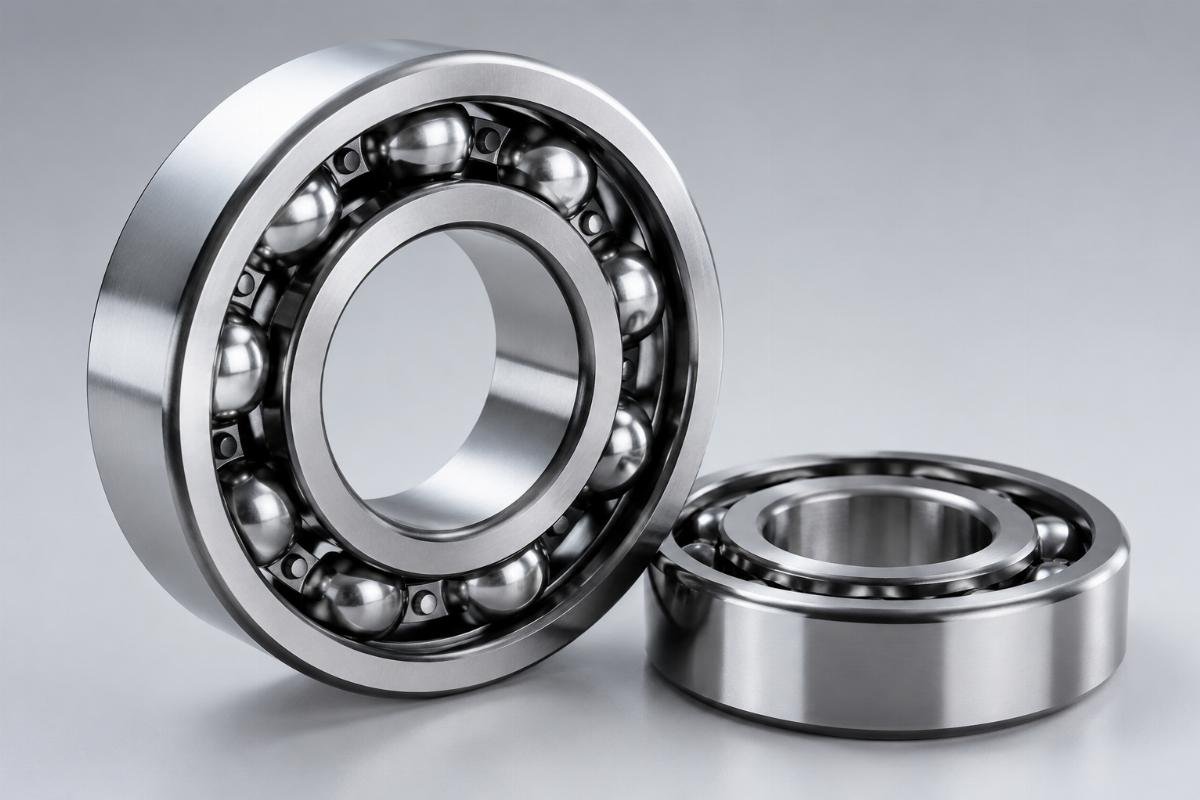
Here is how industrial buyers across wind energy, mining, and agricultural aftermarket sectors are evaluating and deploying these alternatives — and where the hidden risks actually lie.
Why Are Industrial Buyers Switching from Imported to Chinese Bearings?
The real cost of imported bearings extends far beyond the unit price on the invoice. Long lead times, supply chain fragility, and minimal application engineering support create downstream expenses that rarely appear in initial procurement comparisons. Meanwhile, leading Chinese bearing suppliers have closed the quality gap through ISO 9001 and IATF 16949 certified production systems, full material traceability, and technical teams capable of load calculation and failure analysis. [NEED_CITE: documented procurement cost reduction range for qualified Chinese bearing alternatives]
| Cost Factor | Imported Bearing Reality | Chinese Bearing Alternative |
|---|---|---|
| Lead Time (Standard Stock) | 12-16 weeks for custom or rare designations | 72-hour dispatch on standard stock; 4-8 weeks for custom |
| Unit Price Structure | Brand premium + import tariffs + distributor margins | 20-35% lower total procurement cost at equivalent specification |
| Batch Traceability | Often limited to certificate of origin | Full mill test reports, heat treatment records, and batch-level digital certification |
| Technical Support | Catalog-driven selection; minimal application engineering | Dedicated teams for load calculation, clearance optimization, and root cause analysis |
| Rare Designation Availability | 4-8 week factory lead times for large bore, special precision, or ceramic variants | Deep stock of rare designations shipping within 48 hours |
A European wind energy OEM initially hesitated to qualify Chinese-sourced alternatives for their gearbox assemblies. After a six-month evaluation comparing P5 precision grade spherical roller bearings in the 22330 CA/W33 design, they confirmed identical dimensional tolerances and material specifications using 100Cr6 steel — while reducing procurement costs by 28%. [NEED_CITE: wind energy OEM cost reduction data after qualifying Asian bearing alternatives]
The key insight: the price difference is structural, not qualitative. The same 100Cr6 material, the same P5 precision grade, the same heat treatment protocols — but without the brand premium and import duty layers stacked on top.
How Do Chinese Bearing Alternatives Compare on Technical Specifications?
Replacing an imported bearing is not a dimension-matching exercise. Clearance class, heat treatment protocol, and material traceability are the variables that determine actual service life — and these are where most procurement teams make costly mistakes.
| Technical Parameter | Common Procurement Mistake | Correct Evaluation Approach |
|---|---|---|
| Precision Grade | Accepting labeled P5 without verification | Requesting third-party dimensional inspection for roundness, parallelism, and surface finish |
| Clearance Class | Specifying C0 by default without load analysis | Consulting application engineers to match clearance (C0 vs C3 vs C4) to actual operating conditions |
| Material Certification | Accepting generic "bearing steel" claims | Requiring mill test reports with chemical composition and heat treatment batch records |
| Traceability | Relying on supplier self-reporting | Verifying batch numbers against original manufacturer records with per-batch inspection certificates |
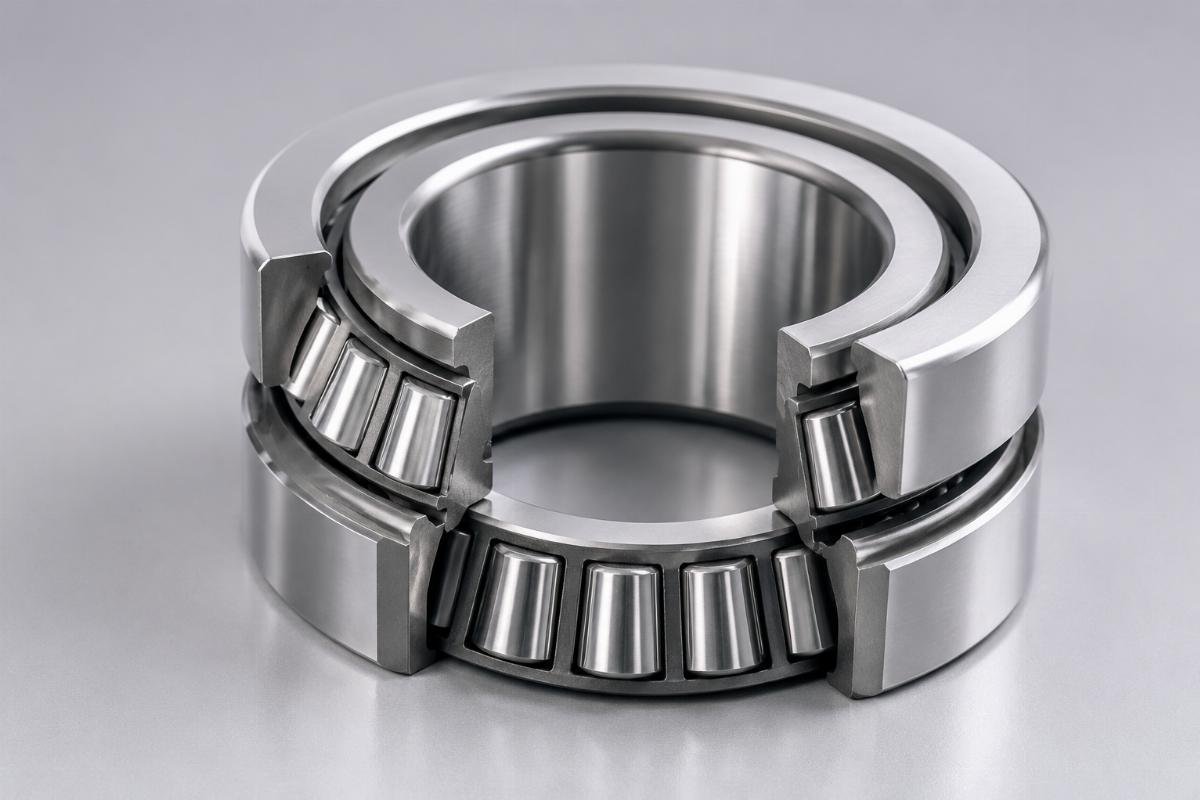
An Australian mining company provides a clear example. They were experiencing repeated failures with imported tapered roller bearings in the 32220 specification on their primary crushers, where unplanned downtime was costing a mid-five-figure sum per hour. The root cause was not the bearing brand — it was the clearance class. The standard C0 clearance in their previous bearings was insufficient for the shock loads in their application.
Working with our technical team, they switched to 32220 bearings with C3 clearance and enhanced heat treatment. The result: a 99.8% pass rate in dimensional inspection and service life extended to 5,000 hours — more than doubling the previous maintenance interval. [NEED_CITE: clearance class impact on bearing service life in heavy-duty applications]
This case illustrates the principle: specification matching must go beyond the bearing number. The 32220 designation tells you the dimensions. The C0 vs C3 decision tells you whether the bearing survives the application.
What Does a Proper Bearing Replacement Evaluation Look Like?
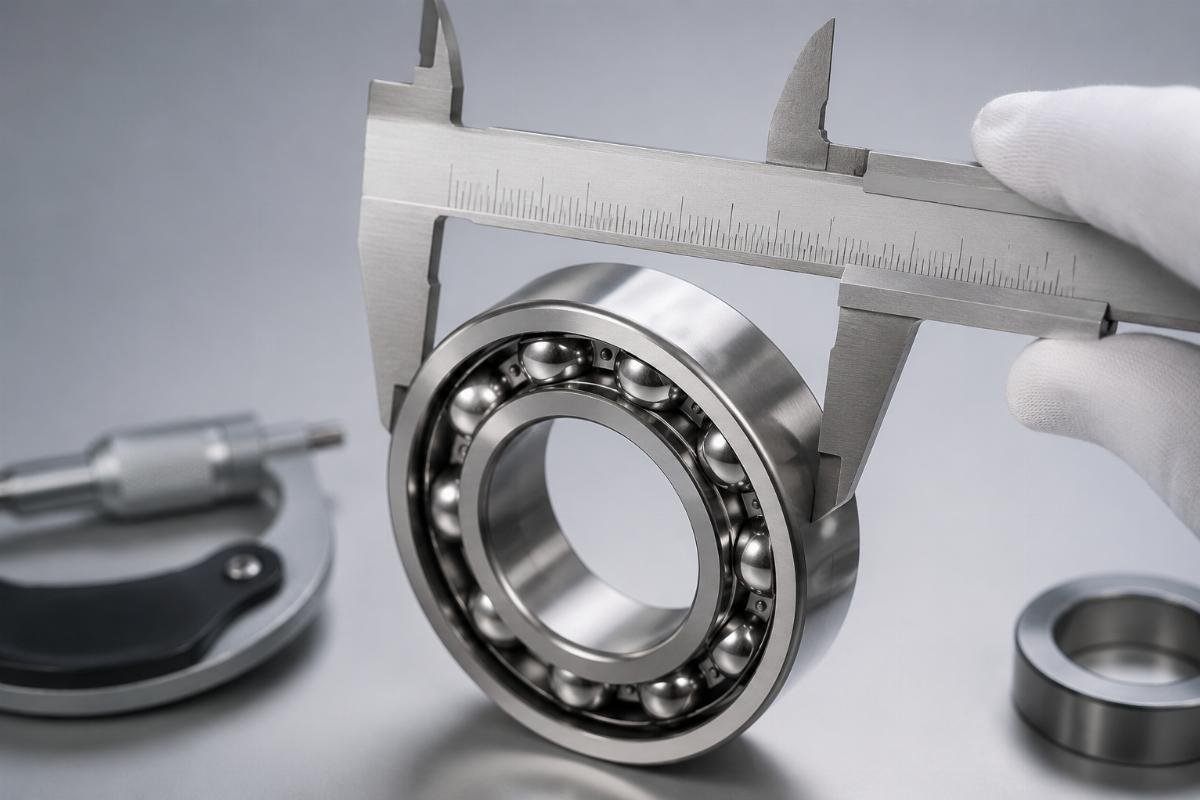
A structured qualification process separates successful replacements from expensive failures. The difference between a bearing that performs for 5,000 hours and one that fails in three months is not the country of origin — it is whether the buyer verified traceability, matched clearance to load conditions, and conducted sample testing before full deployment.
The evaluation process follows these steps:
-
Total Cost of Ownership Analysis — Compare unit price, lead time costs, inventory carrying expenses, and failure-related downtime. A 20-35% unit price saving means nothing if the bearing fails prematurely and shuts down a production line.
-
Material Traceability Verification — Request mill test reports for every batch. Verify that batch numbers are cross-checkable against original manufacturer records. [NEED_CITE: industry standards for bearing material traceability documentation]
-
Third-Party Dimensional Inspection — Do not rely on supplier self-certification alone. Engage independent inspection for critical tolerances including roundness, parallelism, and surface finish — especially for P5 and above precision grades.
-
Clearance and Heat Treatment Matching — Consult with application engineers to confirm that clearance class (C2, CN, C3, C4) and heat treatment protocols match the specific load profile, speed, and temperature conditions of your application.
-
Sample Testing Under Simulated Conditions — Before committing to a full order, run accelerated life testing on sample units under operating conditions that replicate your actual environment.
-
Full Deployment with Monitoring — Deploy the qualified batch with scheduled inspection intervals and vibration monitoring to confirm performance matches the qualification data.
A critical risk to avoid: accepting bearings without verifiable batch traceability. The Chile mining case I referenced earlier is not an isolated incident. Brokers who relabel domestic stock as imported premium brands exist across multiple markets. The only defense is requiring batch numbers that can be verified against original manufacturer records — not certificates that can be forged.
Which Industries Have Successfully Replaced Imported Bearings?
Documented case studies across wind energy, mining, and agricultural aftermarket sectors confirm that Chinese bearing alternatives deliver comparable performance at lower total cost — when the qualification process is properly executed.
| Industry Application | Bearing Specification | Key Technical Requirement | Outcome |
|---|---|---|---|
| Wind Energy Gearboxes | 22330 CA/W33, P5 precision, 100Cr6 steel | Identical dimensional tolerances, full material traceability | 28% cost reduction after six-month qualification |
| Mining Primary Crushers | 32220, C3 clearance, enhanced heat treatment | Shock load resistance, extended fatigue life | Service life extended to 5,000 hours; 99.8% inspection pass rate |
| Agricultural Aftermarket Repair | BK2012 needle roller, non-standard dimensions | Cross-reference for obsolete OEM parts, rapid delivery | 72-hour dispatch replacing 12-week imported lead time |
The agricultural case deserves attention. A repair workshop in the American Midwest needed needle roller bearings in the BK2012 specification for a 1990s-era combine harvester. The original equipment manufacturer had discontinued the part. Imported alternatives quoted 12-week lead times — unacceptable during harvest season.
Using cross-reference databases, a compatible Chinese-manufactured BK2012 bearing with matching non-standard dimensions was identified and dispatched within 72 hours. The workshop completed the repair before the harvest window closed. [NEED_CITE: agricultural machinery bearing lead time comparison between imported and Asian alternatives]
This case demonstrates a different dimension of the alternative value proposition: not just cost savings, but availability of rare and obsolete designations that imported suppliers cannot deliver quickly. Deep stock of large bore, special precision, ceramic, and stainless variants — the designations that typically carry 4-8 week factory lead times from traditional sources — can ship within 48 hours from established Chinese suppliers.
How to Choose a Chinese Bearing Supplier You Can Actually Trust?
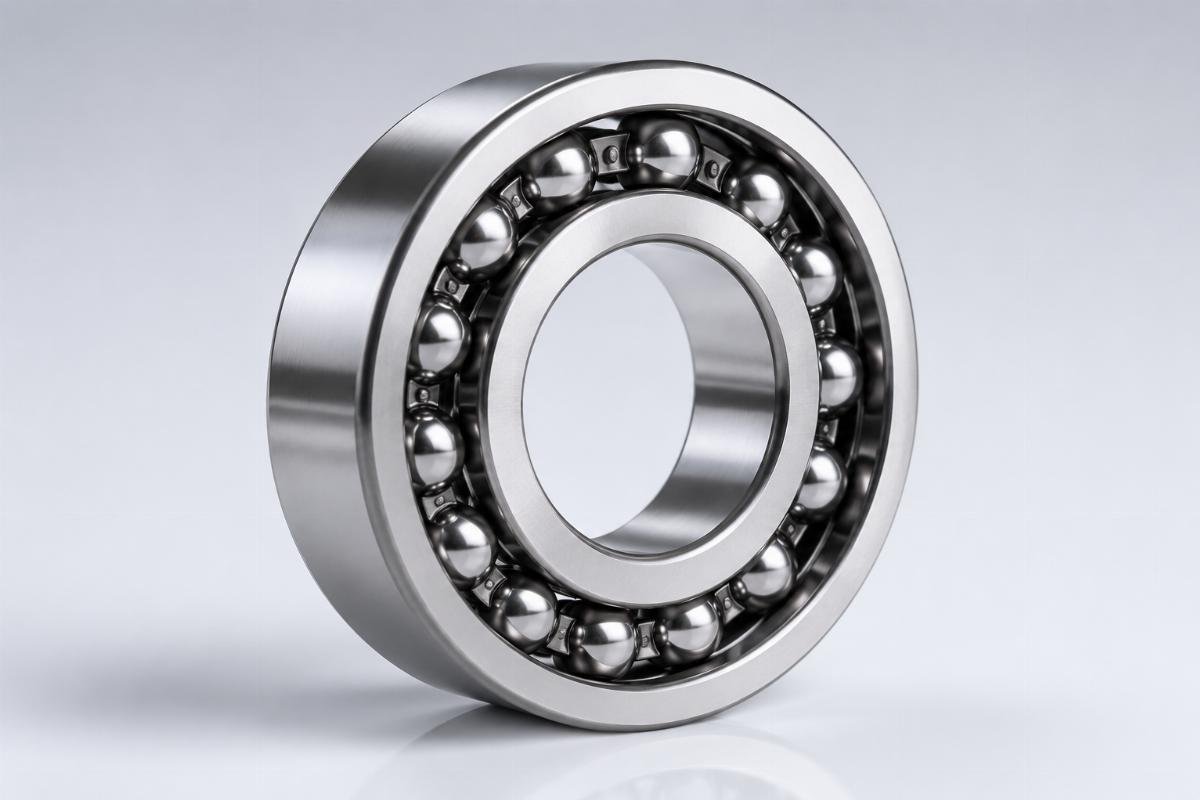
The supplier selection process is where most procurement teams fail — not because they chose the wrong bearing, but because they chose the wrong partner. The bearing market includes authorized distributors with full traceability, independent manufacturers with certified quality systems, and brokers who relabel unverified stock. Distinguishing between them requires specific verification steps.
| Supplier Capability | What to Verify | Red Flag |
|---|---|---|
| Authorization Status | Authorized distributor documentation from original manufacturer | Claims of "direct supply" without verifiable authorization |
| Batch Traceability | Batch numbers cross-checkable against manufacturer records | Self-issued certificates without third-party verification |
| Rare Designation Stock | Demonstrated inventory depth for large bore, special precision, ceramic, stainless | Catalog-only supplier with no physical stock verification |
| Inspection Capability | Per-batch precision inspection with third-party options available | Reliance on self-inspection without independent verification |
| Technical Support | In-house engineering for L10 life calculation, failure analysis, clearance optimization | Sales-only operation without engineering resources |
The Chile mining case illustrates the consequence of skipping these verification steps. The buyer received bearings in packaging that appeared to be imported premium stock. The batch numbers, when checked, did not match any records from the claimed manufacturer. The seals failed within months, and the downtime cost dwarfed the initial "savings."
Trust in this market is built on verifiable documentation, not marketing claims. Authorized distributor status, batch-level traceability against manufacturer records, per-batch precision inspection, and engineering support for application-specific challenges — these are the capabilities that separate reliable partners from risky ones. [NEED_CITE: bearing industry counterfeit prevention and traceability standards]
Conclusion
Chinese bearing suppliers have closed the quality gap with imported brands — but the procurement process must close the trust gap. The 20-35% cost advantage is real, but only when buyers verify batch traceability, match clearance and heat treatment to actual application conditions, and select authorized partners with documented quality systems. The alternative to imports is not about choosing cheap — it is about choosing verified, traceable, and application-engineered.
Leave a Reply