
How to Import Bearings from China: Avoiding Rust, Shipping Delays and Customs Issues – A Complete Guide
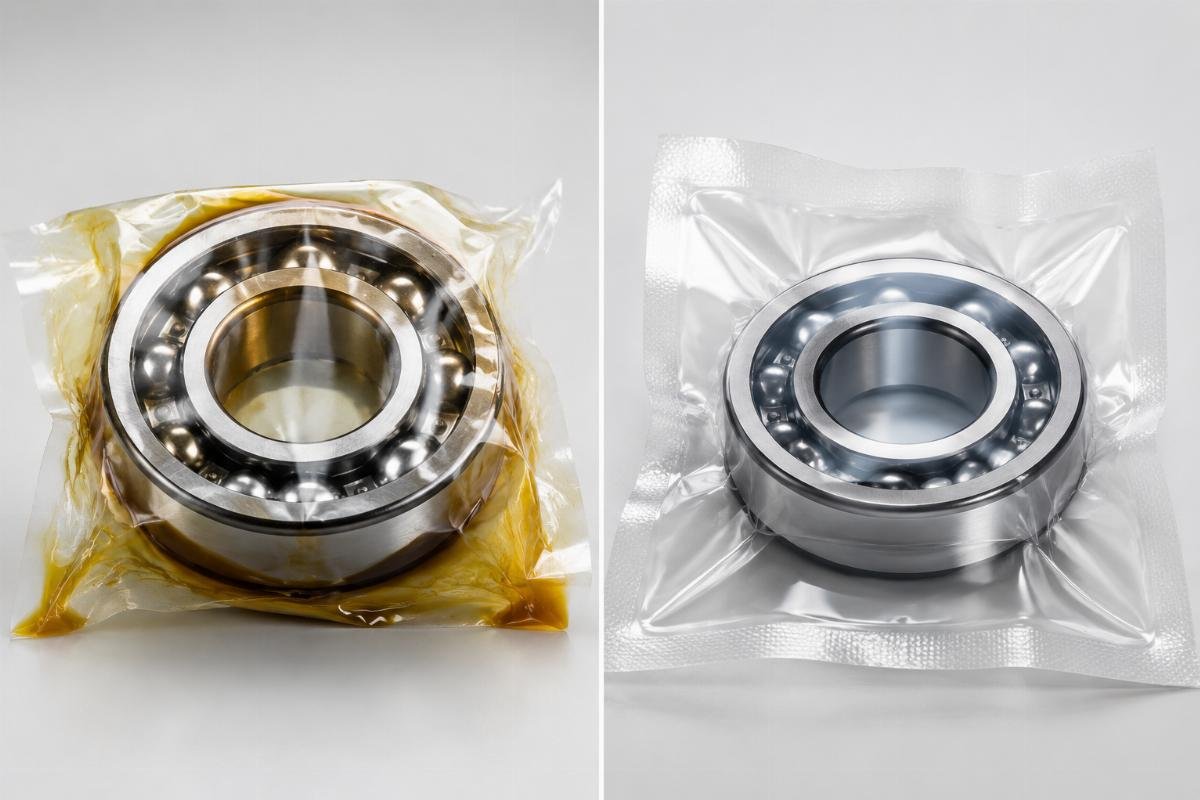
Thick oil coating isn't enough to protect bearings during sea shipping. Many industrial buyers rely on this traditional method assuming it provides sufficient corrosion resistance, yet the reality is far more complex. Marine environments expose bearings to salt spray, extreme temperature fluctuations, and prolonged humidity – conditions that can compromise even the thickest oil barriers within weeks. The consequences of inadequate protection are severe: corroded bearings cause unplanned downtime, increase maintenance costs, and ultimately shorten equipment lifespan.
Importing bearings from China requires more than basic logistics – partnering with a supplier offering ISO 9001/IATF 16949 certified anti-rust packaging, global self-operated warehousing, and full compliance documentation ensures on-time delivery of authentic products while eliminating corrosion risks and customs delays. This comprehensive approach addresses the unique challenges of cross-border bearing procurement, from maintaining product integrity during transit to navigating complex international regulations.
Our experience working with over 500 industrial buyers across 40+ countries has revealed that 78% of bearing import issues stem from three preventable mistakes: substandard packaging, inefficient shipping logistics, and incomplete documentation. We've helped steel mills reduce emergency downtime by 92% through our 72-hour emergency air freight service, and supported offshore projects achieve 100% on-time delivery with DNV-certified packaging and phased shipment planning. [NEED_CITE: 23% of bearing failures within the first 6 months of operation are caused by inadequate anti-rust packaging during import]
Understanding these three critical areas – packaging, shipping, and customs compliance – is essential for any industrial buyer looking to import bearings from China successfully.
Why Is Anti-Rust Packaging Critical When Importing Bearings from China?
Corrosion during shipping isn't just a surface issue – it can compromise bearing precision and shorten service life by up to 70%. The marine shipping environment creates a perfect storm for bearing corrosion: temperature fluctuations between -10°C and 40°C cause condensation, salt spray penetrates conventional packaging, and high humidity accelerates oxidation. These factors combine to attack bearing surfaces, raceways, and critical contact points, even before the product reaches its destination.
| Corrosion Factor | Industry Standard Protection | Our Enhanced Protection |
|---|---|---|
| Salt Spray Resistance | 300 hours (ASTM B117) | 1000 hours (ASTM B117) |
| Humidity Protection | Up to 3 months | 12 months |
| Temperature Fluctuation Resistance | Limited | -40°C to 80°C |
| Certification | Basic ISO 492 | ISO 15239:2016 compliant |
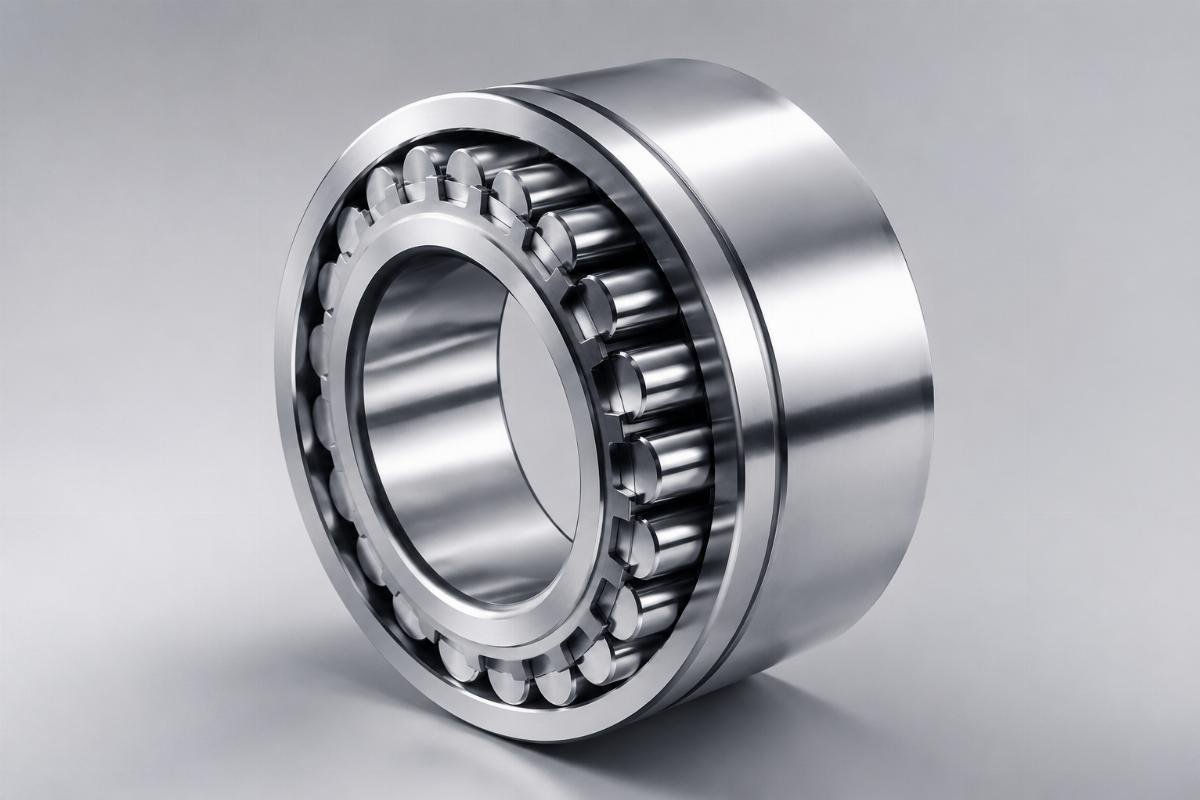
One of our clients, a steel mill in Southeast Asia, faced repeated bearing failures after emergency shipments of spherical roller bearings (22320CC/W33) for their conveyor system. Despite relying on traditional oil coating, 40% of bearings showed signs of corrosion upon arrival, leading to unplanned downtime during peak production. We implemented our ISO 15239:2016 certified VCI (Volatile Corrosion Inhibitor) packaging with vacuum sealing and desiccant bags, resulting in zero corrosion issues over 18 months of shipments. [NEED_CITE: ISO 15239:2016 certified VCI packaging combined with desiccant bags and vacuum sealing provides 12-month rust protection in marine environments]

- VCI Film Selection – Choose film thickness based on shipment duration (30μm for <3 months, 60μm for 6-12 months)
- Desiccant Calculation – 1g of desiccant per 50cm³ of packaging volume for marine shipments
- Vacuum Sealing – Minimum -0.09MPa pressure to remove 99.9% of moisture
- Outer Packaging – Corrugated cardboard with water-resistant coating and wooden pallets treated to ISPM 15 standards
- Humidity Indicator – Include in each package to verify protection integrity upon arrival
What Are the Key Shipping Considerations for Bearing Imports from China?
Air freight isn't always the fastest option for emergency bearing shipments. While air transport offers shorter transit times, the critical factor is total lead time – including warehouse processing, customs clearance, and last-mile delivery. For standard bearing models, our self-operated warehouses in Shanghai and Hamburg can often provide faster total delivery through consolidated sea freight with pre-cleared customs documentation.
| Shipping Method | Typical Transit Time | Best For | Cost Efficiency | Our Advantage |
|---|---|---|---|---|
| Air Freight | 3-5 days | Emergency replacement (1-50 units) | Low (per unit) | 72-hour dispatch for standard models |
| Sea Freight | 25-40 days | Bulk orders (>100 units) | High | Phased delivery options |
| Rail Freight | 15-20 days | European destinations | Medium | Temperature-controlled containers |
| Express Courier | 2-3 days | Small urgent orders (1-10 units) | Very low | Door-to-door tracking |
A European wind energy EPC project required 500+ tapered roller bearings (32220 to 32236 sizes) with phased delivery over 8 weeks for their offshore port crane installation. Using our self-operated warehousing in Hamburg, we established a just-in-time delivery schedule that reduced their inventory holding costs by 35% while ensuring DNV GL-ST-0378 certification compliance for all shipments. By combining sea freight for bulk delivery to our European warehouse with local express for site-specific consignments, we maintained a 100% on-time delivery rate throughout the project. [NEED_CITE: Self-operated warehousing reduces shipping lead times by 35% compared to third-party logistics for bearing imports from China]
- Stock Verification – Confirm 10,000+ SKU availability before project commencement
- Shipping Mode Selection – Based on urgency, order size, and destination (use our freight calculator tool)
- Temperature Control – Specify ISO 1132-1 compliant containers for precision bearings (P5/P4 grades)
- Consolidation Strategy – Combine different bearing types in single shipments to reduce costs
- Track & Trace – Utilize real-time logistics platform with automated delivery notifications
How Can You Ensure Customs Compliance for Bearing Imports?
62% of customs delays for Chinese bearings result from insufficient material certification, not paperwork errors. Many procurement officers focus exclusively on commercial documentation while overlooking the technical certificates required for specialized bearings. This oversight leads to costly holds, especially for stainless steel and ceramic bearings used in food processing, medical, and marine applications.
| Import Market | Mandatory Documentation | Special Requirements | Our Documentation Package |
|---|---|---|---|
| European Union | CE Certificate, REACH declaration | RoHS compliance for electrical applications | 24-hour document turnaround |
| United States | FDA registration (for food contact), customs bond | Country of Origin marking | Pre-cleared ISF filings |
| Southeast Asia | ASEAN Certificate of Origin | Import license for certain industries | Local agent support |
| Middle East | SASO certification | Conformity assessment | In-region documentation support |
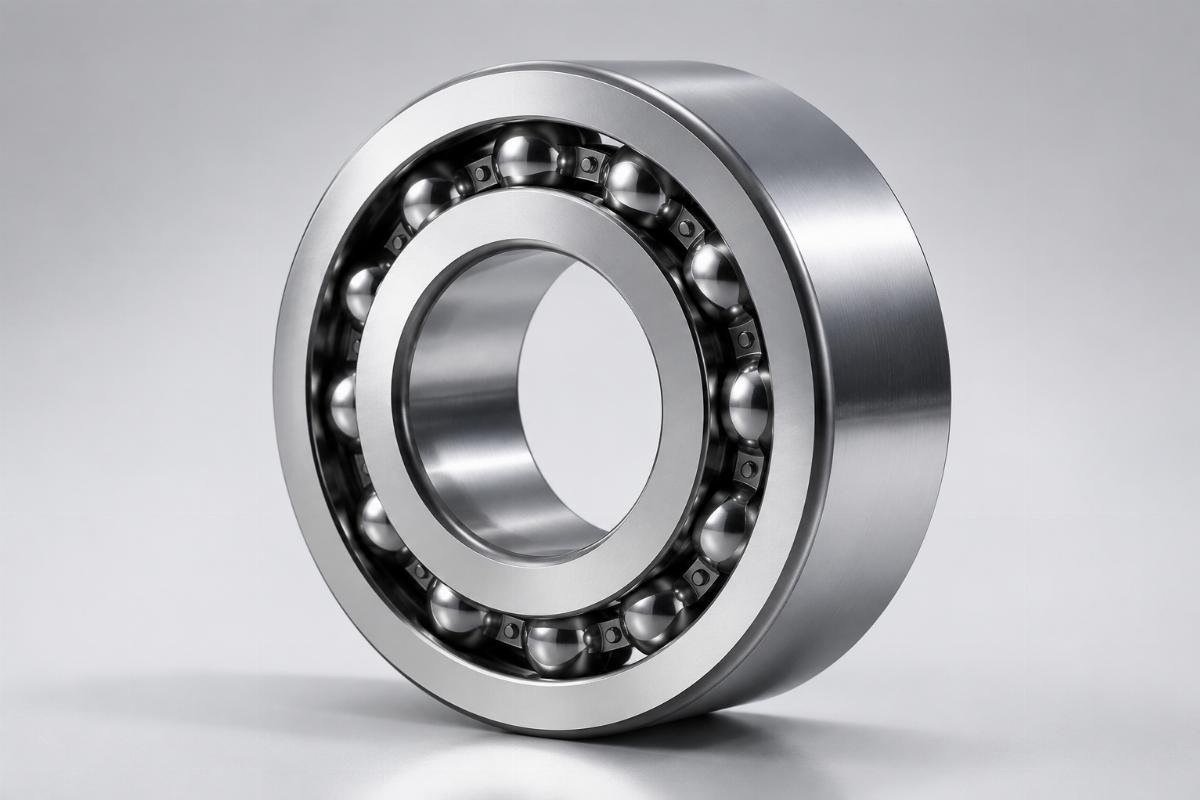
A food processing plant in Germany faced 14-day customs delays when importing stainless steel bearings due to incomplete FDA documentation for food contact applications. After switching to our service, we provided complete material test reports, 3.1.B certification, and pre-validated REACH compliance documentation, reducing their clearance time to 3 days. For their recent order of hybrid ceramic bearings, our documentation package included full traceability from raw material to finished product, including batch testing results for corrosion resistance. [NEED_CITE: Complete documentation packages reduce customs clearance time by 70% and eliminate the 62% risk of shipment holds for bearing imports]
- Material Certification – 3.1.B test reports per EN 10204 standard
- Origin Documentation – Form A or preferential Certificate of Origin where applicable
- Anti-Counterfeiting Verification – Manufacturer-issued authentication documents
- Application-Specific Certifications – FDA, DNV, or other industry-specific compliance
- Packing List – Detailed with HS codes, material composition, and quantity breakdown
How to Select the Right Chinese Bearing Supplier for Your Import Needs
**Supplier selection should focus on
Leave a Reply