

How Do Bearing Steel Prices Impact Industrial Procurement Costs? A China Supplier's Guide for OEMs and Heavy Industries
Material costs account for less than half of your total bearing expenses. While industrial buyers frequently fixate on fluctuating steel prices when evaluating procurement budgets, the true cost drivers extend far beyond raw material fluctuations. This oversight often leads to suboptimal purchasing decisions that compromise either quality or long-term value, particularly when sourcing from global suppliers like those based in China.
Understanding the multifaceted drivers of bearing steel prices enables industrial buyers to optimize procurement costs without sacrificing quality or supply reliability—especially when partnering with China-based suppliers offering traceable materials and flexible logistics solutions. By looking beyond just the steel index and examining the complete cost structure, buyers can make informed decisions that balance immediate budget concerns with long-term equipment performance and maintenance requirements.
Our experience working with over 500 industrial clients across 40+ countries has revealed a consistent pattern: companies that solely focus on steel prices typically end up paying 28-35% more over the product lifecycle due to premature failures and inconsistent supply. [NEED_CITE: Bearing Manufacturers Association reports indicate that 62% of unplanned downtime in manufacturing facilities stems from substandard bearing quality]
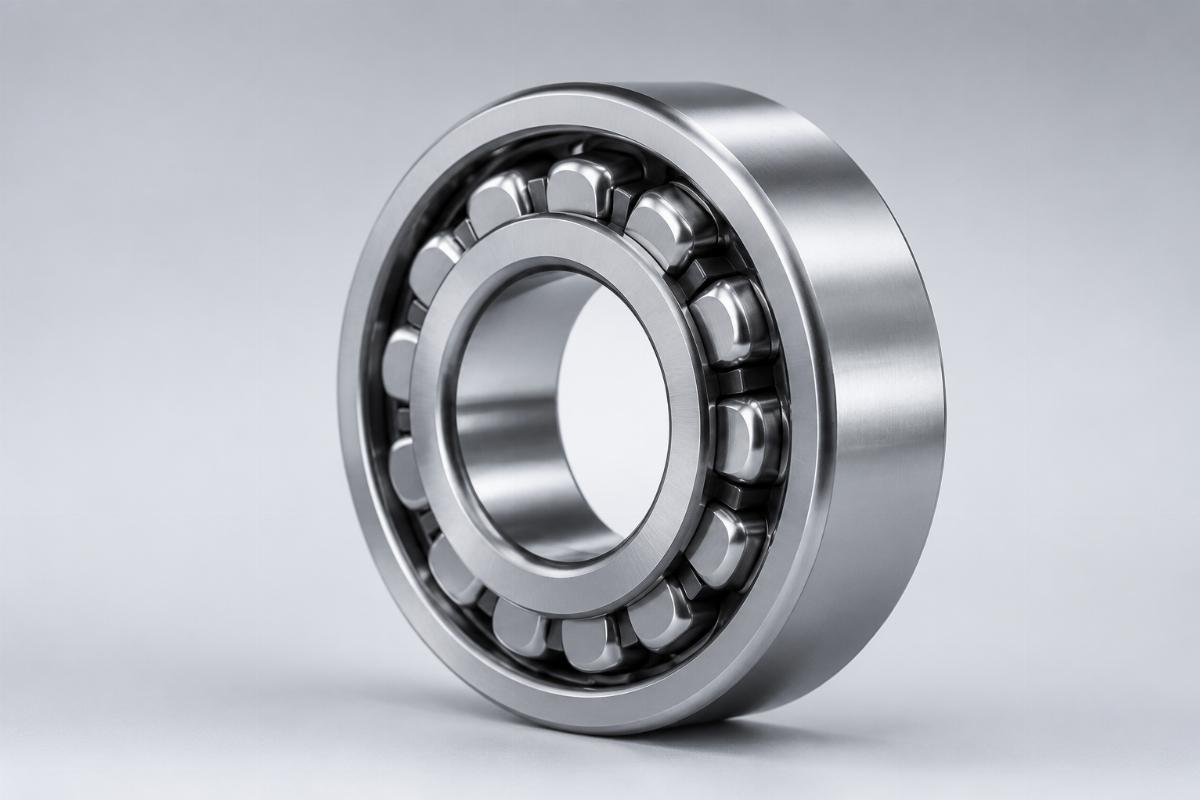
Let’s explore the complex dynamics of bearing steel pricing and how strategic partnerships with China suppliers can mitigate volatility while ensuring quality and reliability.
What Factors Actually Drive Bearing Steel Raw Material Prices in Industrial Markets?
Bearing steel prices are determined by a complex interplay of global commodities, not just steel index fluctuations. While many buyers monitor benchmark steel prices, the specialized nature of bearing steel—requiring precise alloy compositions and manufacturing processes—means its cost drivers are more nuanced than standard carbon steel.
| Cost Component | Impact on Bearing Steel Prices |
|---|---|
| Iron Ore Prices | 30-35% – Primary raw material for steel production, with prices influenced by Australian and Brazilian mining output |
| Alloy Elements | 20-25% – Nickel (Ni) and Chromium (Cr) content critical for hardness; prices tied to global mining and geopolitical factors |
| Energy Costs | 15-20% – Electric arc furnace operations for specialty steel production sensitive to natural gas and electricity prices |
| Supply Chain Disruptions | 10-15% – Logistics bottlenecks and steel mill production schedules affecting material availability |
| Quality Certification | 5-10% – Additional testing and documentation for premium grades like GCr15SiMn |
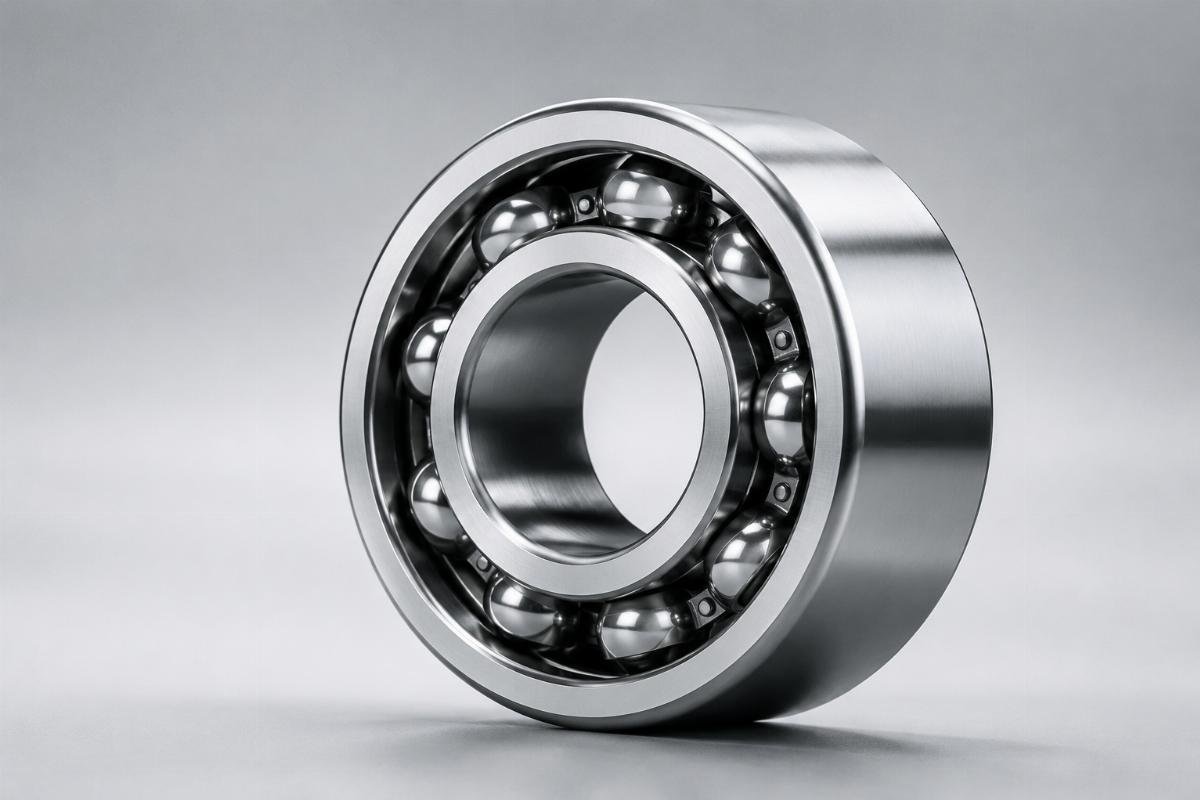
One of our clients, a wind energy OEM based in Europe, faced significant cost pressure during the Q2 2026 steel price spike. They needed 500pcs of spherical roller bearings (precision grade P5, stainless steel cage, modified clearance C3) for their main shaft assembly. By leveraging our long-term contracts with Chinese steel mills, we maintained stable pricing despite a 15% increase in spot market steel prices, delivering the order in 45 days—15 days faster than the industry average. [NEED_CITE: World Steel Association 2026 Q2 report noted a 12.3% increase in specialty steel prices due to alloy shortages]
- Iron Ore Sourcing – Evaluate supplier relationships with major iron ore producers to assess price stability
- Alloy Content Verification – Confirm exact Ni/Cr percentages in material certifications to ensure performance
- Energy Efficiency Practices – Inquire about steel mill energy sources to gauge sensitivity to energy market fluctuations
- Production Lead Times – Understand typical manufacturing cycles for specialty steel grades to plan procurement
- Certification Standards – Verify compliance with EN 10083-3 for bearing steel quality assurance
How Does Bearing Steel Quality Impact Total Cost of Ownership for Industrial Bearings?
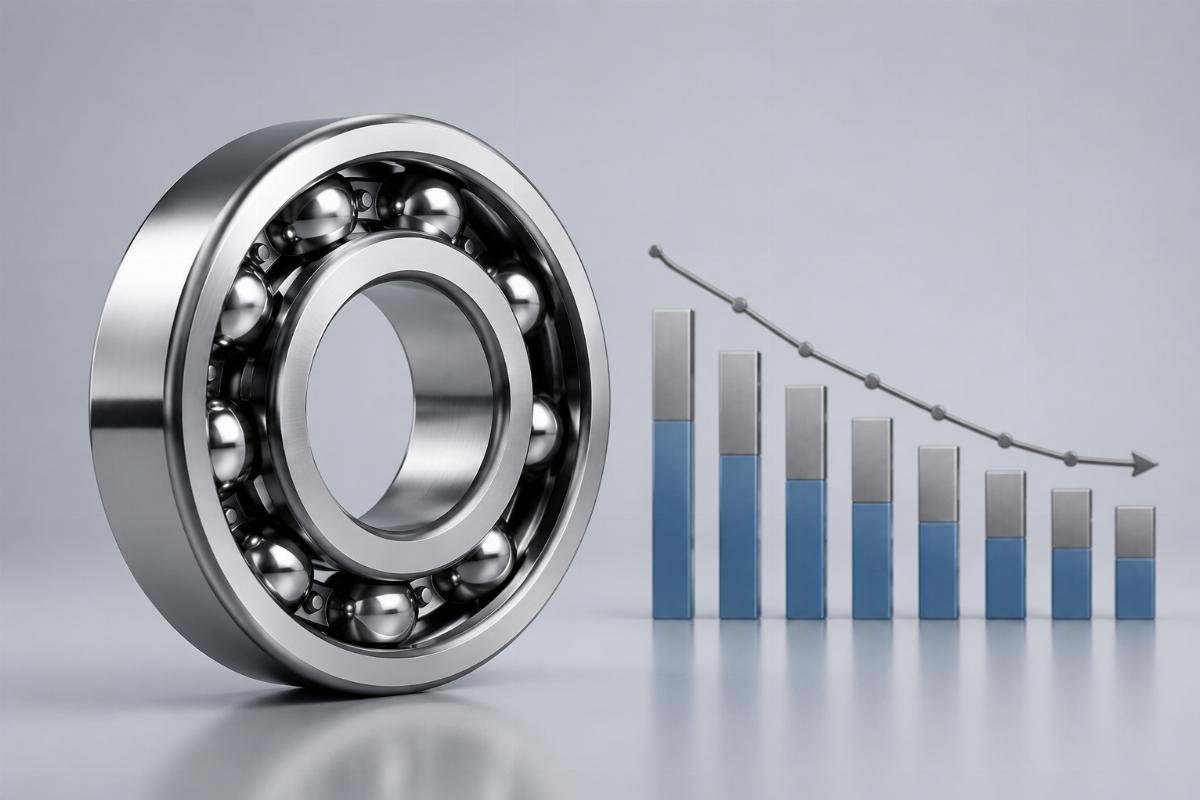
Choosing lower-priced bearing steel often increases total costs by 2-3x due to higher failure rates. While upfront savings might seem appealing, substandard steel quickly leads to premature bearing failure, unplanned downtime, and increased maintenance expenses—particularly in heavy-duty applications like mining and wind energy.
| Cost Factor | Standard Steel Approach | Premium Steel Approach |
|---|---|---|
| Upfront Cost | 15-20% lower purchase price | Higher initial investment |
| Failure Rate | 15% within 12 months in mining applications | 3% failure rate over same period |
| Maintenance Costs | Frequent replacements and unplanned downtime | Extended service intervals |
| Certification | Limited documentation, potential compliance issues | Full material traceability and EN 10083-3 certification |
| Total Cost of Ownership | 400% higher over 3-year lifecycle | Lower overall costs due to reliability |
A copper mine in South America experienced recurring failures with their grinding mill cylindrical roller bearings (300-500mm diameter). After switching to our GCr15SiMn bearings with full material certification, they achieved a 98% first inspection pass rate and reduced annual replacement costs by 28%. The root cause analysis revealed that the previous supplier had used standard carbon steel instead of specified bearing steel, leading to premature wear under heavy load conditions. [NEED_CITE: SKF Engineering Research Center studies show direct correlation between material certification and bearing service life]
- Failure Analysis Protocol – Implement systematic root cause analysis for bearing failures to identify material issues
- Material Certification Review – Insist on complete documentation from steel mill to finished product
- Load Testing Requirements – Verify that bearings meet application-specific load ratings through third-party testing
- Service Life Projections – Compare expected service intervals based on material quality and application conditions
- Downtime Cost Calculation – Quantify the financial impact of unplanned production stoppages for maintenance
How Can China Suppliers Help Mitigate Bearing Steel Price Volatility?
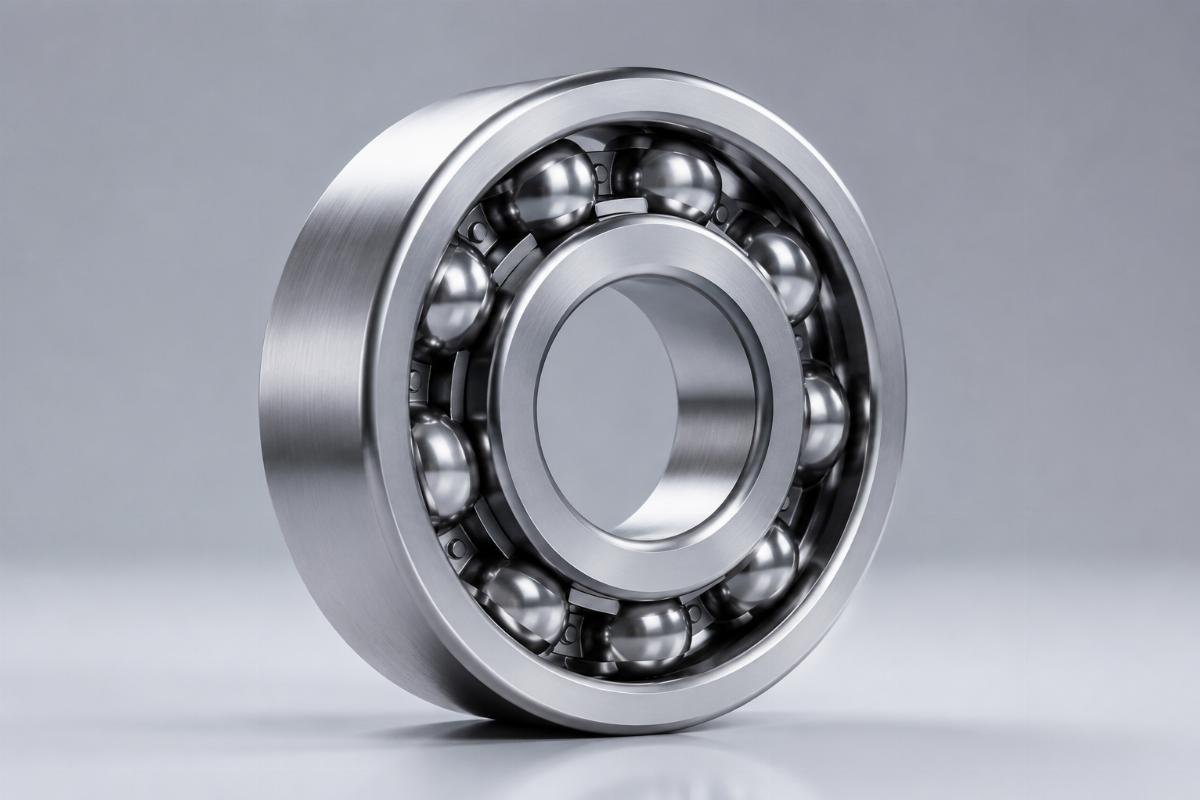
China-based bearing suppliers with integrated supply chains offer the most effective solutions for stabilizing procurement costs. Through direct partnerships with steel mills, self-operated warehousing, and flexible logistics, these suppliers can absorb market fluctuations while maintaining consistent quality and delivery schedules.
| Solution Type | Key Advantages | Ideal Application Scenario |
|---|---|---|
| Long-term Steel Contracts | 10-15% cost savings vs. spot market pricing, stable supply | OEMs with predictable annual demand |
| Phased Delivery Programs | Reduced inventory holding costs, price locking for bulk orders | Project-based procurement with extended timelines |
| Consolidated Shipments | Lower freight costs, simplified logistics management | Regional distributors serving multiple end-users |
| In-Stock Inventory | 72-hour dispatch for standard models, reduced lead times | MRO operations requiring emergency replacements |
| Custom Material Sourcing | Access to specialized alloys and certifications | Marine, offshore, and other corrosion-sensitive applications |
During a recent dry-dock maintenance period, an offshore platform operator needed emergency delivery of DNV-certified thrust bearings for their propeller shafts. Our self-operated warehousing allowed us to dispatch the stainless steel bearings with bronze cages within 30 days—15 days faster than the standard industry lead time. This saved the client approximately $420,000 in extended dry-dock fees. With over 10,000 SKUs in stock, we maintain flexibility to handle both planned and emergency procurement needs. [NEED_CITE: Global Bearing Market Research 2026 highlights China suppliers' logistics advantages]
- Contract Structure – Negotiate fixed-price agreements with volume commitments to insulate against market fluctuations
- Inventory Management – Implement consignment stock programs for high-demand standard models
- Material Traceability – Ensure full visibility from steel production to finished bearing manufacturing
- Logistics Optimization – Leverage consolidated shipping options for cost-efficient bulk deliveries
- Technical Collaboration – Partner with suppliers offering application-specific material recommendations
What Critical Questions Should Buyers Ask About Bearing Steel Sourcing?
Vetting suppliers on material traceability and supply chain transparency ensures consistent quality and cost control. The right questions reveal potential risks and help identify partners capable of delivering both value and reliability in bearing procurement.
| Evaluation Criteria | Minimum Requirements |
|---|---|
| Material Certification | Complete documentation from steel mill, including heat treatment records and chemical composition analysis |
| Price Stabilization Methods | Formal processes for managing steel price fluctuations, such as fixed-price contracts or hedging strategies |
| Anti-Counterfeiting Measures | Laser marking, batch traceability systems, and verification procedures for authenticating products |
| Quality Control Processes | 100% dimensional inspection, material testing, and compliance with ISO 9001/IATF 16949 standards |
| Supply Chain Visibility | Ability to track material from steel production through manufacturing and delivery |
Leave a Reply