

China Bearing Factory: Durability via Heat Treatment & QC
Higher hardness does not mean better performance—over-hardening invites brittle fracture under impact loads.
A reliable China bearing factory ensures durability not by chasing peak hardness numbers, but through precisely controlled vacuum quenching that balances HRC 58-62 hardness with impact toughness above 25 J/cm², combined with 100% per-part inspection and QR-code-linked batch traceability that eliminates counterfeit risk and enables root-cause failure analysis.
I still remember the shipment that came back from a steel mill in Brazil. The inner rings of 22320 spherical roller bearings showed micro-cracks along the raceway. The heat treatment certificates looked perfect on paper, but when I pulled the actual furnace temperature logs, the quenching curve told a different story: a fifteen-minute temperature dip that no operator had flagged. That single batch failure cost us a contract and reshaped how I evaluate every supplier afterward. Traceability paperwork means nothing if you do not inspect per batch and verify the actual process curves. [NEED_CITE: root cause distribution per ISO 15243 for bearing failure modes]
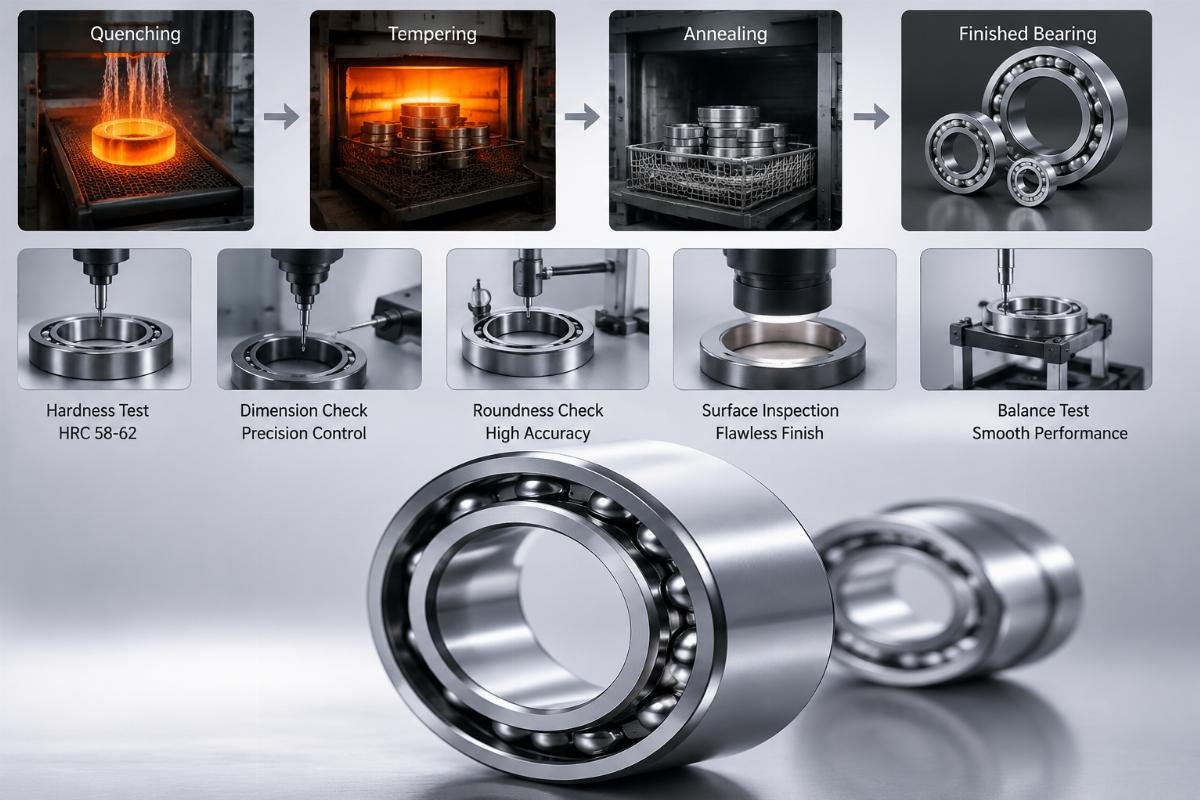
Understanding how a professional China bearing factory controls these variables is essential for procurement engineers sourcing bearings for mining crushers, steel mill continuous casting lines, and wind turbine main shafts.
How Does Heat Treatment Transform Bearing Steel Performance?
Controlled heat treatment converts raw bearing steel into a component that resists both wear and fatigue by engineering the microstructure rather than simply maximizing surface hardness. The quenching and tempering cycle determines martensite formation, retained austenite levels, and residual stress distribution—all of which dictate whether a bearing survives impact loading or fractures prematurely.
| Heat Treatment Parameter | Typical Industry Practice | Optimized Process |
|---|---|---|
| Hardness Range | HRC 55-65, batch-to-batch variation | HRC 58-62, tightly controlled |
| Quenching Method | Oil or polymer, variable cooling | Vacuum quenching, uniform cooling |
| Temperature Uniformity | ±10°C tolerance | ±3°C tolerance |
| Martensite Conversion | 85-90% incomplete | 99.5% near-complete |
| Impact Toughness | Unspecified, inconsistent | >25 J/cm² verified per batch |
The difference becomes visible in field performance. A European mining operator running crushers with 22320 spherical roller bearings reported noticeably extended fatigue life after switching to bearings processed with optimized vacuum quenching. The key was not higher hardness—it was the elimination of soft spots and brittle zones caused by uneven temperature distribution during quenching. [NEED_CITE: ISO 683-17:2018 requirements for through-hardening bearing steel]
Another case involved a steel mill where continuous casting machine 22320 bearings failed repeatedly due to inner ring cracking. After switching to a China bearing factory that maintained strict quenching temperature control, unplanned downtime dropped substantially. The optimized two-stage tempering cycle—first at 150°C, then at 200°C—reduced internal residual stress while preserving the target hardness range.
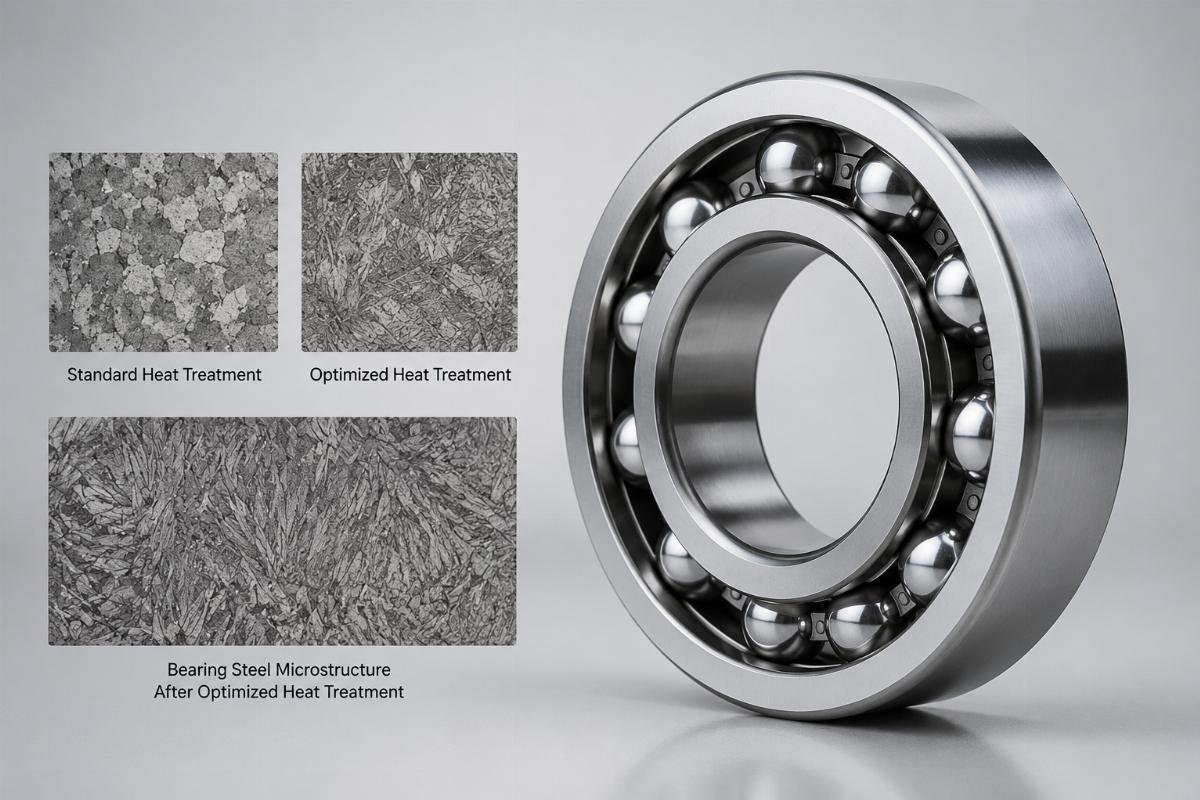
The critical steps in a controlled heat treatment process include:
- Austenitizing – Heating high-carbon chromium bearing steel to 850-880°C to achieve complete phase transformation before quenching.
- Vacuum Quenching – Rapid cooling under controlled atmosphere to prevent surface decarburization and maintain ±3°C uniformity across the load.
- Two-Stage Tempering – First stage at 150°C to stabilize dimensions, second stage at 200°C to relieve residual stress without sacrificing hardness.
- Martensite Verification – Metallographic confirmation of near-complete conversion to ensure consistent mechanical properties.
- Batch Documentation – Recording furnace temperature curves, hold times, and cooling rates for every production lot.
What Defines a Genuine Bearing Quality Control System?
ISO certificates on a website do not guarantee that a factory actually inspects every bearing before shipment. Genuine quality control requires automated 100% dimensional inspection, material certificate cross-verification against mill test reports, and part-level traceability that links each bearing to its specific heat treatment batch and raw material heat number.
| Quality Control Aspect | Common Practice | Rigorous Approach |
|---|---|---|
| Incoming Material Check | Visual inspection only | Full chemical analysis and hardness verification |
| Dimensional Inspection | Random sampling, sample-level | 100% automated measurement, micron-level precision |
| Anti-Counterfeiting | Basic laser marking | QR code linked to manufacturing records |
| Post-Failure Support | No documentation | Metallurgical failure analysis reports |
A copper mining operation discovered that counterfeit bearings with forged ISO certificates were causing repeated failures, resulting in a mid-six-figure annual loss in downtime and replacement costs. After implementing a procurement protocol that required material certificate verification and QR-code traceability from a China bearing factory, counterfeit-related failures were eliminated entirely. [NEED_CITE: Grand View Research data on counterfeit industrial bearing circulation rates]
For wind energy applications requiring main shaft bearings designed for multi-decade service, the quality system must include fatigue life test reports and hybrid ceramic options with full IATF 16949 certification. Each bearing shipped with a unique traceability code allows the end user to access raw material certificates, heat treatment records, and final inspection data—transparency that has helped wind farm operators noticeably reduce maintenance costs over the asset lifecycle.
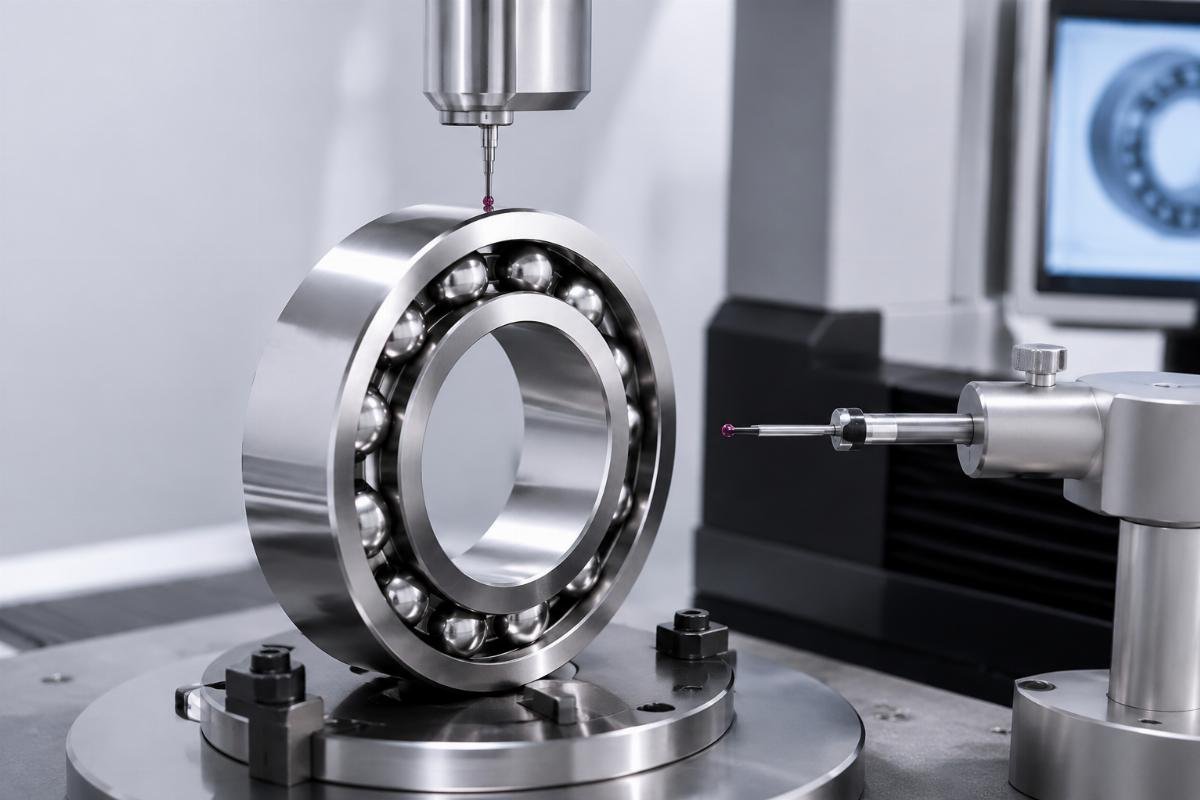
The essential components of a credible quality control system are:
- Material Certificate Cross-Check – Verify incoming steel mill test reports against supplier declarations for chemical composition and mechanical properties.
- In-Process Dimensional Verification – Use coordinate measuring machines to confirm raceway roundness, roller diameter tolerance, and internal clearance during production.
- Surface Finish Validation – Ensure raceway roughness remains below Ra 0.8μm to minimize friction and wear initiation.
- Anti-Counterfeit Authentication – Scan QR codes against the factory database before shipment to confirm part identity and batch origin.
How to Evaluate a China Bearing Factory’s Capabilities?
Requesting process documentation is the only reliable way to separate capable factories from certificate-collectors. Buyers must verify that heat treatment equipment, inspection technology, and traceability systems match the demands of heavy-duty industrial applications—not just look impressive on a brochure.
| Evaluation Criteria | Basic Supplier | Qualified Supplier |
|---|---|---|
| Heat Treatment Equipment | Conventional air furnaces | Vacuum quenching with computerized control |
| Inspection Technology | Manual gauges and calipers | Automated CMM and hardness testers |
| Traceability System | Batch-level tracking only | Part-level identification with digital records |
| Technical Support | Generic product catalogs | Application engineering and failure analysis |
When a European mining company needed to qualify a new bearing supplier for their crusher fleet, they conducted an on-site audit covering heat treatment process validation, inspection equipment calibration records, and material traceability procedures. The China bearing factory that won the contract provided real-time access to manufacturing data—including quenching temperature curves and per-bearing dimensional reports—demonstrating the documentation rigor required for a long-term supply agreement with emergency dispatch capability for critical replacements. [NEED_CITE: Chinese Bearing Industry Association supplier qualification guidelines]
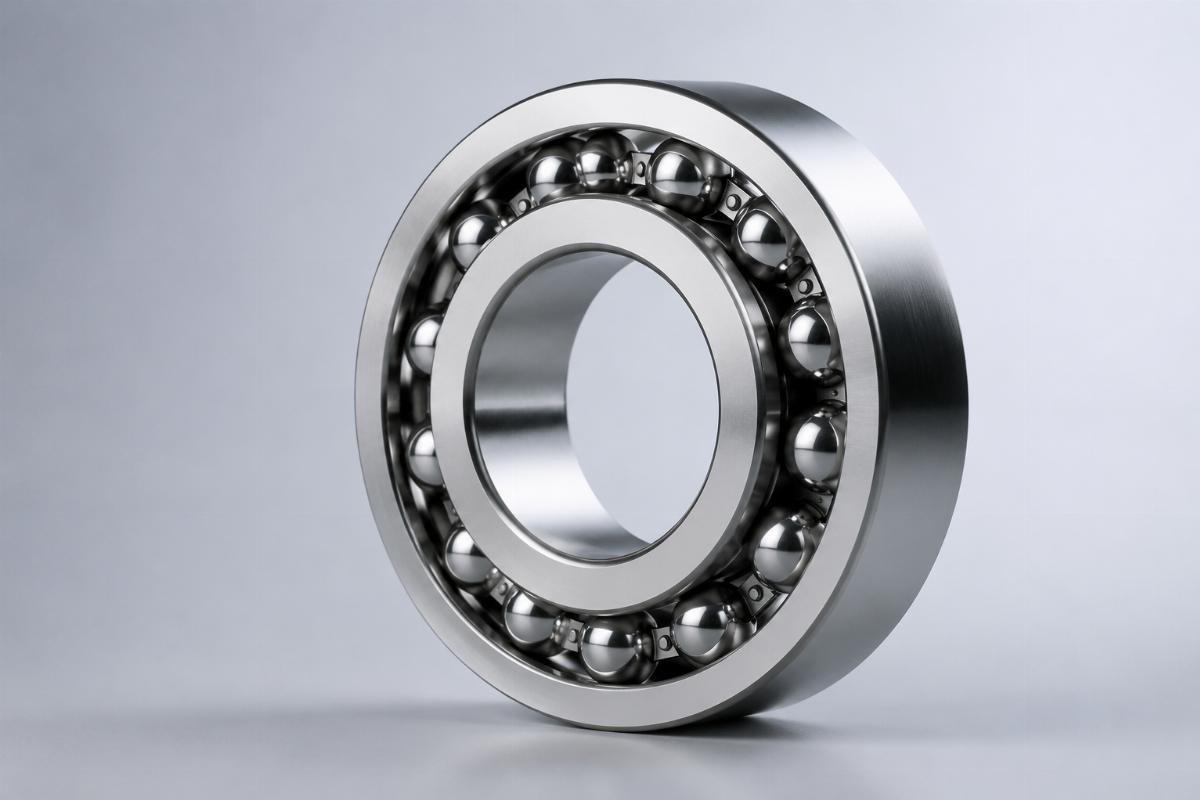
Procurement engineers should ask these specific questions during supplier evaluation:
- Can you provide quenching temperature curves for recent production batches? – A factory that cannot produce actual furnace logs is not controlling the process.
- How do you verify incoming material certificates? – Cross-referencing mill test reports against supplier declarations catches forged or mismatched documentation.
- Can you demonstrate part-level traceability? – Scanning a QR code to retrieve heat treatment records, inspection data, and material origin proves the system works.
- What is your failure analysis procedure? – A qualified China bearing factory provides metallurgical reports identifying root causes, not just replacement shipments.
Why Full Traceability Prevents Costly Failures?
A bearing without traceability is a liability waiting to happen. When a failure occurs in a critical application—steel mill roll neck, wind turbine gearbox, mining conveyor drive—the ability to trace that bearing back to its raw material heat number, heat treatment batch, and inspection records is the difference between a rapid root-cause resolution and months of guesswork.
| Traceability Element | Documentation Required |
|---|---|
| Raw Material Source | Mill test certificate with heat lot number |
| Manufacturing Process | Heat treatment parameters, machining steps |
| Quality Control Records | Dimensional reports, hardness data, surface finish |
| Shipment Tracking | Batch code, dispatch date, destination |
A food processing plant experienced unexpected bearing failures on a production line and needed to identify whether the root cause was contamination, improper installation, or a material defect. Because the China bearing factory supplied full traceability documentation—including the specific heat treatment batch and material certificate for each failed unit—the plant’s engineering team quickly isolated the issue to a lubrication compatibility problem rather than a bearing defect, avoiding an unnecessary and costly supplier dispute. [NEED_CITE: traceability requirements per IATF 16949 for automotive and industrial supply chains]
The value of traceability extends beyond failure investigation. When sourcing rare designations—large bore sizes, special precision classes, or non-standard clearance options—a China bearing factory that maintains verifiable batch records ensures that every shipment matches the specified requirements. This is particularly critical for authorized distribution channels where SKF and other premium brands require documented chain-of-custody from factory to end user.
Procurement teams evaluating a China bearing factory should confirm that traceability includes:
- Heat Lot Traceability – Every bearing linked to the specific steel heat number and mill test certificate.
- Process Parameter Records – Quenching temperatures, tempering cycles, and cooling rates documented per batch.
- Inspection Data Access – Dimensional reports and hardness test results retrievable by part serial number.
- Shipment Documentation – Certificate of origin, batch traceability file, and dispatch records included with every order.
Conclusion
Durability in industrial bearings comes from controlled microstructure, not maximum hardness. A professional China bearing factory achieves this through vacuum quenching with tight temperature uniformity, two-stage tempering for stress relief, 100% automated inspection, and QR-code traceability that connects every bearing to its manufacturing history. For procurement engineers sourcing bearings for mining, steel, wind, and other heavy-duty applications, verifying these capabilities through process documentation and traceability demonstrations—not just ISO certificates—is the only reliable path to reducing unplanned downtime and eliminating counterfeit risk.
Leave a Reply