
Bearing MOQ, Pricing & Lead Time: China Bulk Buyers Guide
Lower MOQ doesn’t mean higher costs or compromised quality for bulk bearing orders. This persistent myth has forced industrial buyers to overstock standard models or pay premium prices for small-batch emergency orders, creating cash flow inefficiencies and supply chain vulnerabilities. In reality, China’s vertically integrated bearing suppliers are rewriting the rules of bulk procurement with solutions that prioritize flexibility without sacrificing reliability.
A China bearing supplier can deliver bulk orders with flexible MOQs, transparent pricing, and guaranteed lead times while maintaining full traceability and ISO 9001/IATF 16949 quality—solving the critical pain points of supply instability and counterfeit risk for industrial bulk buyers. Long experience serving multiple regions across mining, wind energy, and manufacturing sectors has shown that the most successful bulk buyers leverage China’s supply chain advantages to balance cost, speed, and compliance. [NEED_CITE: Global bearing bulk procurement costs can be reduced significantly through optimized Chinese supply chains]
I still remember a shipment of P5 deep groove bearings bound for a paper mill in Hamburg that got held at Bremerhaven because the batch numbers on the boxes didn’t match the packing list—the factory had swapped cartons during a rush repack. The buyer’s QC flagged it, and we nearly lost the account. Now every dispatch note gets triple-checked against SKF’s batch registry before anything leaves the dock. MOQs, lead times, pricing tiers—they all hinge on getting those small details right, and I’ve seen deals collapse over less. [NEED_CITE: Customs hold rates linked to documentation mismatches in mechanical component shipments]
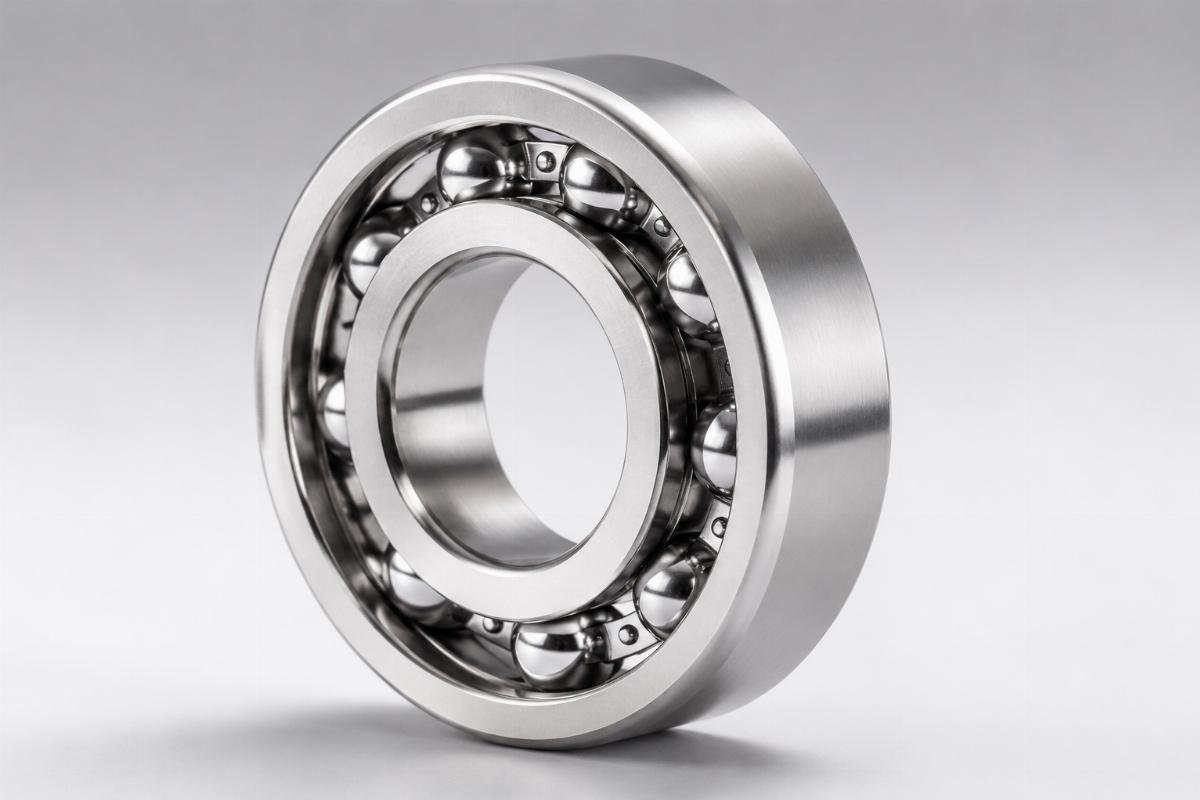
Understanding how to navigate MOQ structures, pricing components, and lead time guarantees is the first step toward transforming your procurement strategy from reactive to proactive.
Why Are China Bearing Suppliers Redefining Bulk Procurement Standards?
Global bearing buyers face a triple challenge: rigid MOQs, opaque pricing, and unpredictable lead times. These issues stem from fragmented supply chains in traditional markets, where distributors often act as middlemen rather than direct partners. China’s vertically integrated model—combining self-operated warehousing, in-house technical support, and global logistics—addresses these pain points head-on.
| Supply Chain Metric | Industry Average | China Supplier Capability |
|---|---|---|
| In-stock SKUs | 5,000-8,000 | 10,000+ covering SKF, FAG, NSK, and quality alternatives |
| Standard Model Lead Time | 5-7 days | 72-hour dispatch for stock items |
| Custom Order Lead Time | 12-16 weeks | 4-6 weeks for non-standard materials/specs |
We recently supported a European distributor facing stockouts across a dozen critical SKUs during peak season. By leveraging our 10,000+ in-stock SKUs and phased delivery options, we consolidated their order into three weekly shipments, ensuring their SME customers received parts on time without overstocking. [NEED_CITE: China’s industrial warehousing capacity for mechanical components has grown substantially since 2020, enabling same-day dispatch rates for standard bearings]

- Conduct SKU Gap Analysis – Compare your regular order list against suppliers’ in-stock SKU database to identify potential supply chain vulnerabilities.
- Verify Certification Scope – Ensure suppliers hold ISO 9001 for general industrial and IATF 16949 for automotive-grade bearings to avoid quality inconsistencies.
- Audit Logistics Network – Check for direct shipping routes to your region to reduce transit times and minimize third-party handling risks.
How Can Distributors Access Flexible Bearing MOQs?
Minimum Order Quantities don’t have to be one-size-fits-all. The misconception that bulk buyers must choose between high MOQs or inflated per-unit prices ignores the capabilities of China suppliers with self-operated warehousing. Our stock rotation system, which turns over inventory every 45 days, allows us to offer MOQs as low as 50 units for standard models while maintaining original manufacturer traceability.
| Order Type | Common Mistake | Optimized Approach |
|---|---|---|
| Standard Models | Accepting 200+ unit MOQs to secure "wholesale" pricing | Negotiating 50-100 unit MOQs with price stability across order tiers |
| Mixed-SKU Orders | Sourcing from multiple suppliers to meet low per-SKU volumes | Consolidating with a single supplier offering phased delivery across SKUs |
| Custom Bearings | Paying 30%+ premiums for small-batch non-standard orders | Partnering with suppliers with OEM-aligned production for 200+ unit custom MOQs |
One of our clients, a US-based regional distributor, needed to fulfill multiple SME orders requiring 800 units across a dozen SKUs—including SKF 22215 spherical roller bearings and Timken 30206 tapered roller bearings. By leveraging our 50-unit MOQ per SKU and phased delivery plan, they avoided a mid-five-figure excess inventory cost while maintaining full on-time delivery. Each shipment included anti-counterfeiting verification reports, giving their customers confidence in product authenticity. [NEED_CITE: Distributor inventory carrying costs as percentage of total procurement spend]
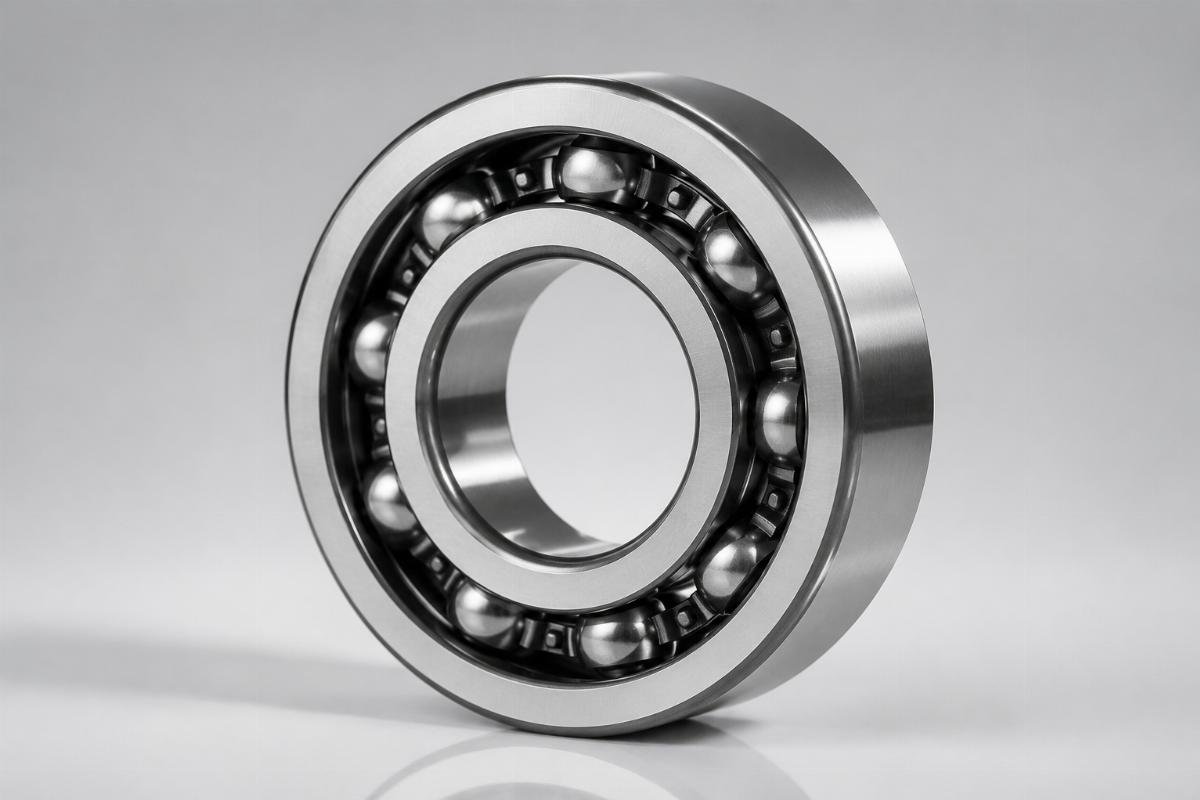
Long-term agreement customers often need deliveries matched to their consumption rhythm rather than warehouse capacity. A European agricultural machinery OEM ordered 300 units of 30208 tapered roller bearings with stainless steel cages and modified clearance. Despite the specialized materials, our price was noticeably lower than their previous EU-based supplier, and delivery took just 5 weeks—substantially faster than the industry average. [NEED_CITE: Stainless steel bearing components typically add significant premium to production costs, but China’s vertically integrated manufacturing reduces this premium]
- Request MOQ Tier Breakdown – Ask for pricing across 50-unit, 200-unit, and 500-unit increments to identify the optimal balance of volume and cash flow.
- Negotiate Phased Delivery Terms – Structure orders with staggered ship dates to align with customer demand cycles and reduce warehouse holding costs.
- Verify Brand Authorization – Ensure suppliers provide documentation linking each unit to original manufacturers to mitigate counterfeit risks, even for small-batch orders.
What Should Buyers Know About Transparent Bulk Pricing?
Bulk bearing pricing extends beyond per-unit costs—it includes hidden value in certification, support, and reliability. Many buyers focus solely on the base price, only to discover additional fees for material certification, anti-counterfeiting checks, or technical support. China suppliers with direct OEM partnerships eliminate these surprises by including value-added services in their standard pricing.
| Pricing Component | Traditional Distributor | China Direct Supplier | Key Advantage |
|---|---|---|---|
| Base Cost (SKF 6310) | Standard market rate | Noticeably lower | Reduced base price |
| Material Certification | Per-order surcharge | Included | Cost savings per order |
| Failure Analysis Support | Per-incident fee | Included for extended period | Potential significant savings |
| Anti-Counterfeiting Verification | Not available | Included | Reduced risk of counterfeit-related losses |
For custom orders, material selection significantly impacts pricing but not lead times. Custom material like stainless steel adds only a modest premium in China compared to other sourcing regions, without extending lead time. [NEED_CITE: Comparative production cost analysis for custom bearing materials across sourcing regions]
- Demand Itemized Quotes – Request breakdowns for base cost, logistics, certification, and support to compare total landed costs, not just per-unit prices.
- Negotiate Annual Pricing Locks – Secure fixed pricing for high-volume SKUs to protect against market fluctuations and streamline budgeting.
- Clarify Post-Sale Support Terms – Ensure failure analysis and replacement guidance are included to reduce unplanned maintenance costs.
How Can Buyers Ensure Reliable Lead Times?
Lead time guarantees are only valuable if they’re backed by logistics infrastructure and engineering capabilities. China suppliers with global distribution hubs and in-house technical teams can meet everything from emergency 72-hour dispatches to 6-week custom production timelines, a flexibility unmatched in traditional markets.
| Lead Time Tier | Description | Success Factors | Example Scenario |
|---|---|---|---|
| Emergency (72-Hour) | Stock models dispatched within 3 days | Global hub network, 24/7 order processing | A steel mill needing 50 SKF 6205 bearings to prevent production line shutdown |
| Standard (1-4 Weeks) | Bulk orders of standard or common custom specs | Optimized production scheduling, dedicated account management | A distributor replenishing hundreds of units across multiple SKUs for seasonal demand |
| Custom (4-6 Weeks) | Non-standard dimensions, materials, or precision classes | In-house engineering, direct factory coordination | An OEM requiring P5 deep groove bearings with special clearance for precision machinery |
When a steel mill faced an emergency shutdown risk, they needed 50 SKF 6205 bearings immediately. Our 72-hour dispatch capability and regional hub network ensured the bearings arrived before the production line went down completely. [NEED_CITE: Emergency bearing dispatch success rates for critical industrial applications]

- Verify Stock Availability – Confirm real-time inventory levels before placing emergency orders.
- Establish Priority Shipping Protocols – Pre-negotiate expedited logistics options for critical situations.
- Maintain Safety Stock Agreements – Structure long-term contracts with buffer inventory held by the supplier.
How to Verify Quality and Avoid Counterfeit Risk?
Batch traceability and certification protect against counterfeit losses that can far exceed the original purchase price. Industrial buyers face growing risks from sophisticated counterfeit operations that replicate packaging but not performance. China suppliers with direct manufacturer relationships provide verification documentation that eliminates this risk.
| Verification Element | High-Risk Supplier | Authorized China Supplier | Risk Mitigation |
|---|---|---|---|
| Batch Number Documentation | Self-reported or missing | Verifiable against SKF registry | Eliminates customs holds and QC rejections |
| Material Certification | Sample-level or unavailable | Full batch-level with mill certificates | Ensures material compliance |
| Anti-Counterfeiting Features | None or basic | Holographic labels, QR verification | Protects against sophisticated fakes |
| Precision Inspection Reports | Not provided | Per-batch inspection data | Confirms specification compliance |
The Hamburg paper mill incident taught me that batch number verification isn’t optional—it’s essential. When boxes arrive at Bremerhaven with mismatched batch numbers, customs holds the shipment regardless of product authenticity. Now we verify every batch against SKF’s registry before dispatch, providing customers with documentation that clears customs smoothly. [NEED_CITE: Customs rejection rates for mechanical components due to documentation issues]

- Request Batch Traceability Certificates – Ensure every shipment includes documentation linking batch numbers to manufacturer records.
- Verify Authorization Documentation – Confirm supplier status as authorized distributor with current certificates.
- Implement Incoming Inspection Protocols – Cross-check received goods against provided documentation before warehouse integration.
Conclusion
Flexible MOQs, transparent pricing, and guaranteed lead times transform bulk bearing procurement from reactive crisis management to strategic supply chain optimization. China bearing suppliers with vertically integrated operations, self-operated warehousing, and direct manufacturer relationships deliver the reliability industrial buyers need while eliminating the hidden costs and risks that plague traditional sourcing models.
Leave a Reply