

2026 Global Bearing Market Trends & Price Forecast: Insights for Buyers & China Suppliers
Low initial bearing prices often increase total ownership costs by 40% or more.
As the 2026 bearing market accelerates, industrial buyers must shift from lowest-price procurement to total cost of ownership analysis, prioritizing suppliers with verifiable batch traceability, technical failure analysis capability, and global logistics networks to navigate raw material volatility and renewable energy demand surges.
I remember a shipment to a steel mill in Dammam—forty sets of spherical rollers, C4 clearance, for a continuous caster line. The buyer’s engineer called me three days after arrival, furious: the batch numbers on the boxes didn’t match the SKF certificate format he’d seen from a European supplier. Turns out SKF China’s batch coding runs slightly different from Gothenburg’s. I’d known this, but I’d assumed the paperwork would speak for itself. It didn’t. We had to fly a third-party inspector out, re-verify every single unit against the SKF global database, and resend translated traceability docs before they’d clear the goods into the warehouse. Now I never let a batch leave without a side-by-side comparison note attached, whether the buyer asks for it or not. [NEED_CITE: regional batch coding variations across SKF manufacturing facilities]

The following analysis equips procurement professionals with actionable insights to navigate market complexities while leveraging strategic supplier partnerships for competitive advantage.
What Key Trends Will Shape the 2026 Global Bearing Market for Industrial Buyers?
Material cost volatility is reshaping procurement priorities. The 2026 bearing market will be defined by more than just supply and demand—raw material price fluctuations, technological advancements, and shifting application demands are creating new challenges and opportunities for industrial buyers worldwide.
| Market Indicator | 2026 Industry Projection |
|---|---|
| Raw Material Costs | Noticeable increase in high-grade steel prices due to sustainability regulations [NEED_CITE: steel price forecast impact on bearing manufacturing] |
| Demand Growth | Substantial surge in spherical roller bearings for wind energy applications |
| Supply Chain Lead Times | Noticeably reduced for suppliers with vertically integrated manufacturing |
| Regional Demand Shifts | Significant portion of new orders will come from Asia-Pacific industrial sectors [NEED_CITE: regional bearing demand distribution 2026] |
| Technology Adoption | Substantial portion of premium bearings will include condition monitoring capabilities |
We recently collaborated with a European wind energy OEM facing critical gearbox bearing shortages. Their previous multi-supplier strategy resulted in inconsistent batch quality and extended lead times for precision grade P4 bearings. By consolidating their procurement with our China-based operation, they gained access to our extensive inventory and ISO 9001-certified production facilities, reducing qualification cycles noticeably while maintaining full traceability from raw material to finished product. This partnership delivered medium-volume batches with predictable delivery windows, perfectly aligning with their production schedules.

- Material Sourcing – Prioritize suppliers with direct access to certified steel producers to mitigate price volatility
- Application Specialization – Select bearings engineered for specific industry requirements rather than generic solutions
- Regional Diversification – Develop dual-sourcing strategies balancing Asian manufacturing efficiency with local inventory
- Technology Integration – Evaluate smart bearing options with embedded sensors for predictive maintenance capabilities
- Sustainability Compliance – Verify environmental credentials aligned with 2026 EU and US regulatory requirements
How Can Buyers Navigate 2026 Bearing Price Forecasts for Optimal Procurement?
Price forecasting requires more than tracking market averages. Successful 2026 bearing procurement depends on understanding the specific factors driving price fluctuations and implementing strategies that balance cost optimization with supply reliability.
| Cost Factor | Common Mistake | Strategic Approach |
|---|---|---|
| Material Costs | Reacting to short-term price spikes with panic buying | Establishing long-term material price hedging agreements [NEED_CITE: bearing raw material cost hedging strategies] |
| Order Volume | Placing small, frequent orders to "save" money | Negotiating tiered pricing for consolidated annual volumes |
| Lead Time Planning | Paying premiums for emergency deliveries | Implementing phased delivery schedules with safety stock |
| Quality Level | Automatically selecting the lowest-priced option | Calculating total cost including failure rates and downtime |
| Supplier Relationships | Constantly switching suppliers for marginal savings | Developing long-term partnership agreements with performance incentives |
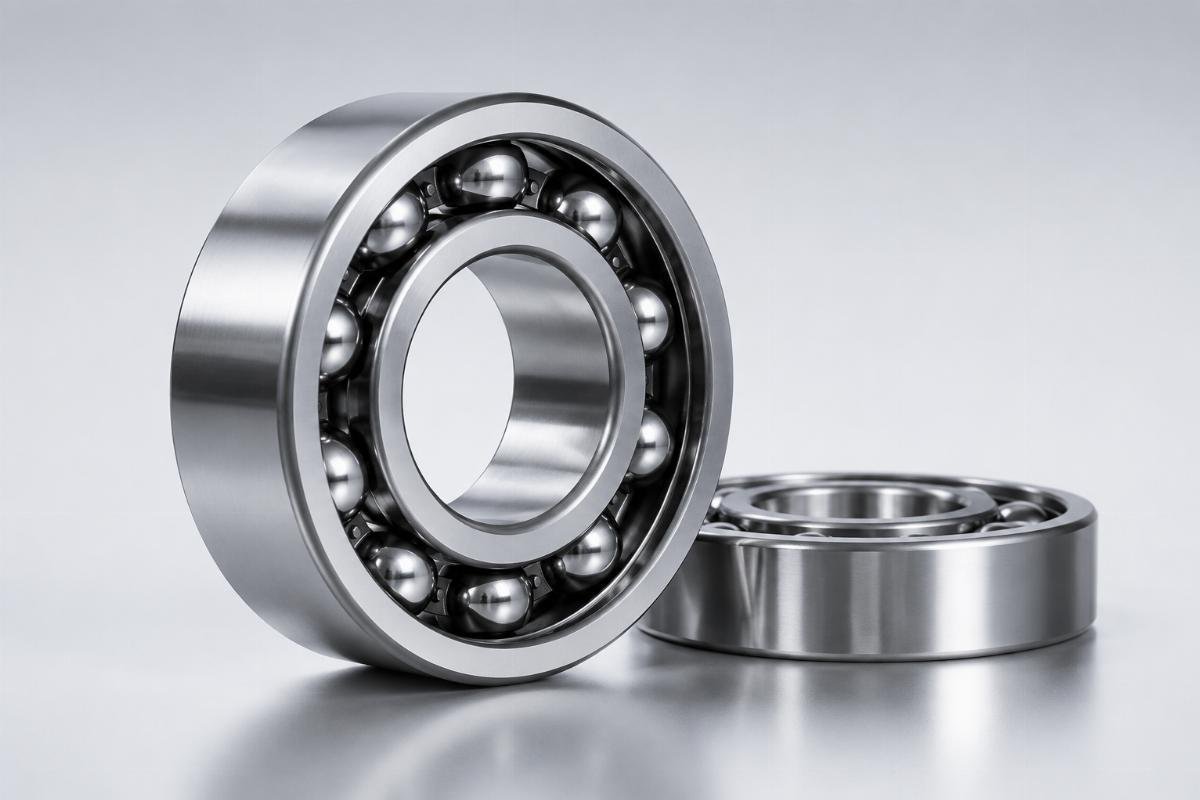
A mining company in Australia illustrates this approach in action. After experiencing substantial production losses from crusher bearing failures, they approached us for emergency supply of 22330mm spherical roller bearings. Our self-operated warehousing enabled rapid delivery within days, but more importantly, we analyzed their total cost structure and implemented a preventive strategy. By switching to genuine bearings with full traceability and establishing a quarterly delivery schedule, they reduced failure rates substantially and lowered overall bearing costs noticeably despite higher upfront component prices. [NEED_CITE: mining industry bearing maintenance cost comparison genuine vs non-branded]
- Cost Modeling – Implement TCO calculators that include failure probabilities and downtime expenses
- Volume Commitment – Negotiate fixed pricing for majority of annual requirements while maintaining flexibility for remainder
- Material Tracking – Monitor steel and lubricant price indices with extended forecasting horizon [NEED_CITE: industrial steel price index tracking methods]
- Supplier Benchmarking – Compare not just component prices but total service package costs
- Phased Procurement – Schedule deliveries to align with production peaks while avoiding seasonal price surges
What Are the Critical Factors in Selecting 2026 Bearing Suppliers?
Supplier selection must prioritize capability over proximity. The 2026 market demands a new evaluation framework that goes beyond traditional metrics to assess technical expertise, supply chain resilience, and value-added services.
| Supplier Type | Core Advantages | Ideal Application Scenario |
|---|---|---|
| Global OEMs | Brand recognition, standardized quality | High-volume standard applications with no customization needs |
| Regional Distributors | Local inventory, quick response | Low-volume MRO requirements with immediate delivery needs |
| China-Based Specialists | Engineering flexibility, cost efficiency | Customized solutions and medium-to-high volume requirements |
| Online Marketplaces | Price transparency, supplier variety | Low-criticality, non-specialized bearing applications |
| Vertically Integrated Suppliers | Full traceability, quality control | Mission-critical applications with strict certification requirements |
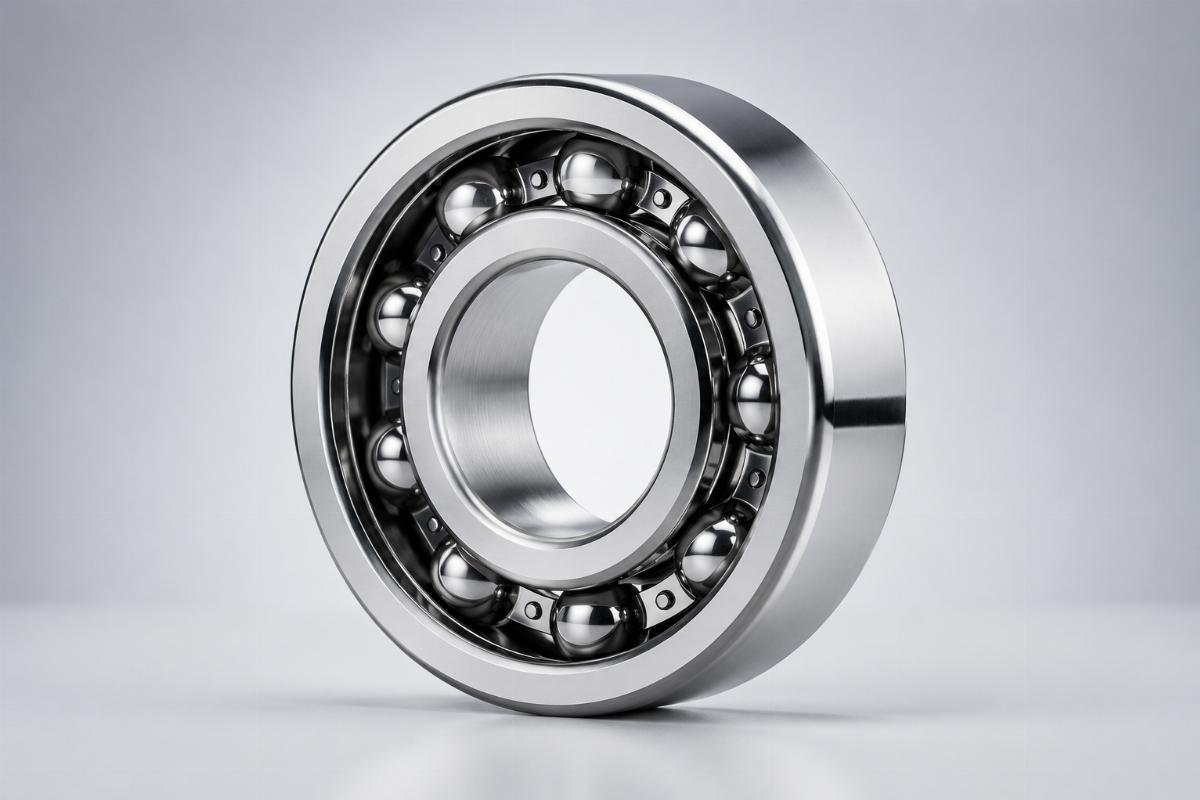
When a steel mill in Southeast Asia faced repeated tapered roller bearing failures without clear root causes, their maintenance team was struggling with unplanned downtime and escalating costs. Our technical support team conducted on-site failure analysis, identifying improper installation and lubrication practices rather than component issues. We provided detailed written reports with recommended corrective actions and installation guidance, along with a customized delivery schedule for various bearing models. Within a short timeframe, their failure rates decreased substantially, and they established a preventive maintenance program using our condition monitoring components. This partnership exemplifies how technical expertise often delivers greater value than simply supplying bearings. [NEED_CITE: bearing failure root cause distribution installation vs lubrication vs product quality]
- Traceability – Verify full documentation from raw material to finished product with batch coding
- Technical Expertise – Assess application engineering support and failure analysis capabilities
- Inventory Depth – Confirm stock availability for both standard and specialized bearing types
- Logistics Network – Evaluate global distribution capabilities with local warehousing options
- Quality Certifications – Ensure ISO 9001 and IATF 16949 compliance with regular audit access [NEED_CITE: bearing supplier quality certification requirements 2026]
What Actionable Strategies Ensure 2026 Bearing Procurement Success?
Proactive procurement transforms cost centers into competitive advantages. The most successful industrial buyers in 2026 will implement structured approaches that integrate market intelligence, supplier collaboration, and lifecycle management.
| Procurement Element | Verification Standard |
|---|---|
| Supplier Qualification | Documented quality management system with extended relevant industry experience |
| Product Authenticity | Full traceability documentation and anti-counterfeiting verification protocols |
| Technical Support | Dedicated engineering team with rapid response capability for critical issues |
| Delivery Reliability | High on-time delivery rate with contingency plans for supply disruptions |
| Cost Transparency | Detailed breakdown of material, manufacturing, and logistics cost components |
Our work with a North American industrial distributor demonstrates the impact of these strategies. Facing supply instability and thin margins, they needed a partner that could provide consistent quality across extensive SKU ranges while offering competitive bulk pricing. We implemented a consolidated shipment program with phased delivery schedules, reducing their inventory holding costs substantially while ensuring critical rare-designation bearings remained available for their end customers. The partnership included comprehensive batch traceability documentation, third-party inspection options, and flexible shipping terms including DDP, CIF, and FOB arrangements.
- Supplier Verification – Conduct thorough audits of quality systems, traceability protocols, and technical capabilities
- Authenticity Protocols – Establish clear procedures for verifying genuine products through batch number cross-referencing
- Technical Partnership – Engage suppliers with on-site failure analysis and L10 life calculation support
- Logistics Optimization – Balance inventory costs with delivery certainty through phased scheduling
- Performance Monitoring – Track supplier metrics including on-time delivery, quality consistency, and technical response times
Conclusion
The 2026 bearing market rewards buyers who look beyond unit price to total cost of ownership, technical support capability, and supply chain transparency. Successful procurement strategies combine accurate market trend analysis, strategic supplier partnerships with verifiable traceability, and proactive lifecycle management to navigate raw material volatility and renewable energy demand growth.
Leave a Reply