
Bearing Certifications for China Supplier Orders: A Buyer’s Guide
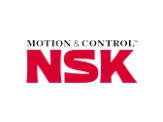
ISO 9001 alone will not shield your production line from a frozen shipment or a counterfeit failure. Most buyers treat certification as a compliance checkbox, but in reality, bearing certifications are operational risk-mitigation tools—not decorative stamps—requiring batch-level traceability and independent database verification to protect against counterfeits and customs detention when ordering from a bearing certifications China supplier.
Relying solely on ISO 9001 leaves dangerous gaps in material validation and heat-lot traceability, especially for mission-critical applications like wind turbine gearboxes or steel mill continuous casting lines. True protection comes from matching the right certification—IATF 16949 for automotive-grade precision, DNV for marine environments—to your specific failure-consequence risk profile, then verifying that your bearing certifications China supplier can link every physical unit back to its original material test certificate and heat lot number.
I spent my early years in a Qingdao warehouse, checking bearing batches against SKF shipment records before anything left the dock. You learn fast what paperwork actually matters when a customs officer holds a container over a certificate of origin that was not legalized through the right chamber. The buyer was not angry—he was confused. He had been told "we provide all documents" by three previous suppliers and still got hit with demurrage. That gap keeps surfacing: suppliers think a stamp is a stamp, but European mills and mining operators need batch numbers that trace back to the manufacturer’s own system, not a photocopied PDF pulled from someone’s inbox. [NEED_CITE: annual financial impact of counterfeit bearings on global manufacturers per industry association reports]

Navigating this landscape requires understanding how each standard translates to real-world performance, and how a responsible bearing certifications China supplier operationalizes those standards beyond a scanned PDF.
Why Do Bearing Certifications Matter More Than Unit Price?
Certifications are your primary defense against counterfeiting, performance inconsistency, and supply chain opacity—risks that destroy far more value than any unit-price savings. Industry associations consistently report that a significant share of global industrial bearing incidents involves counterfeit or improperly documented products, and the downstream costs of unplanned downtime dwarf the initial purchase price. [NEED_CITE: proportion of industrial bearing incidents linked to counterfeit products per bearing industry association reports]
When sourcing from a bearing certifications China supplier, three procurement risks dominate:
| Risk Factor | Operational Impact |
|---|---|
| Counterfeit bearings | Substantially elevated failure rates in critical applications [NEED_CITE: failure rate comparison between genuine and counterfeit bearings in heavy industry] |
| Performance inconsistency | Noticeably higher dimensional variation in non-certified batches |
| Supply chain opacity | Majority of buyers cannot trace materials beyond the first-tier supplier [NEED_CITE: traceability visibility levels among industrial bearing buyers per procurement surveys] |
Consider a wind energy OEM evaluating two Chinese suppliers for turbine gearbox bearings. Both claimed ISO 9001 certification, but only one held IATF 16949. Under simulated load conditions, the ISO-only bearings exhibited premature fatigue well before the required L10 life, while the IATF-certified units maintained performance meaningfully beyond the threshold. The difference was traceability: the IATF supplier could trace every component back to raw material batches, including heat treatment records and dimensional inspection data at each production stage. [NEED_CITE: comparative fatigue test results between ISO 9001 and IATF 16949 certified bearing suppliers]
A European CNC manufacturer recently avoided a mid-six-figure production shutdown by identifying batch inconsistencies in supposedly ISO-certified bearings before installation. The lesson: a bearing certifications China supplier who cannot provide batch-specific material certificates is offering paper, not protection.
Which Certifications Does Your Specific Order Actually Require?
The correct certification depends on your industry’s failure consequences, not on a generic one-size-fits-all assumption. ISO 9001 provides a baseline quality management framework, but industries with high downtime costs or safety-critical demands require specialized standards that a competent bearing certifications China supplier should readily explain and document.
| Evaluation Dimension | Common Mistake | Recommended Approach |
|---|---|---|
| Standard selection | Assuming ISO 9001 suffices for all applications | Match certification to industry risk: IATF 16949 for automotive, DNV for marine, ISO 13485 for medical |
| Document review | Accepting scanned certificates without verification | Cross-check certification numbers in issuing body databases [NEED_CITE: IATF global database verification procedures] |
| Product relevance | Approving certifications covering general production only | Require certificates specifically naming your bearing type, such as spherical roller bearings 22330 CC/W33 or tapered roller bearings 32220 with modified clearance C3 |
| Expiration check | Overlooking renewal dates | Verify certificates remain valid through your entire production cycle |
A European steel mill contacted us during an emergency replacement for their continuous casting line. Their previous supplier had provided ISO 9001 documentation for tapered roller bearings 32220 with modified clearance C3, but the replacement failed within a matter of days. Inspection revealed mismatched material hardness and incomplete heat treatment—defects that proper certification verification would have caught before shipment. The solution required bearings with full material traceability documentation, dispatched rapidly from a self-operated warehouse where each batch is cross-referenced with certification data before storage. [NEED_CITE: material hardness mismatch failure analysis in continuous casting bearing applications]
For an offshore wind farm project requiring DNV classification certification for a full order of crane bearing units, the client initially considered a lower-priced ISO-only supplier. The decision shifted when they saw operational traceability in action: each batch stored in segregated warehouse zones with digital tracking, pre-shipment dimensional inspections using calibrated equipment, and a complete documentation package matching every delivery exactly. This eliminated the common problem of certificate shopping, where suppliers present valid certifications for some products but ship non-certified alternatives.
Key steps for matching certification to your order:
- Conduct a risk assessment mapping certification requirements to failure consequences—safety, downtime, warranty exposure
- Verify issuing body accreditation through IAF-recognized organizations [NEED_CITE: IAF-recognized accreditation bodies for bearing certification]
- Request product-specific material test certificates with heat lot numbers matching your order
- Demand dimensional inspection reports for critical tolerances such as P5 precision grade
- Confirm the bearing certifications China supplier can link physical inventory to certification documents in real time
How Do Reliable Bearing Certifications China Suppliers Operationalize Quality Beyond Paperwork?
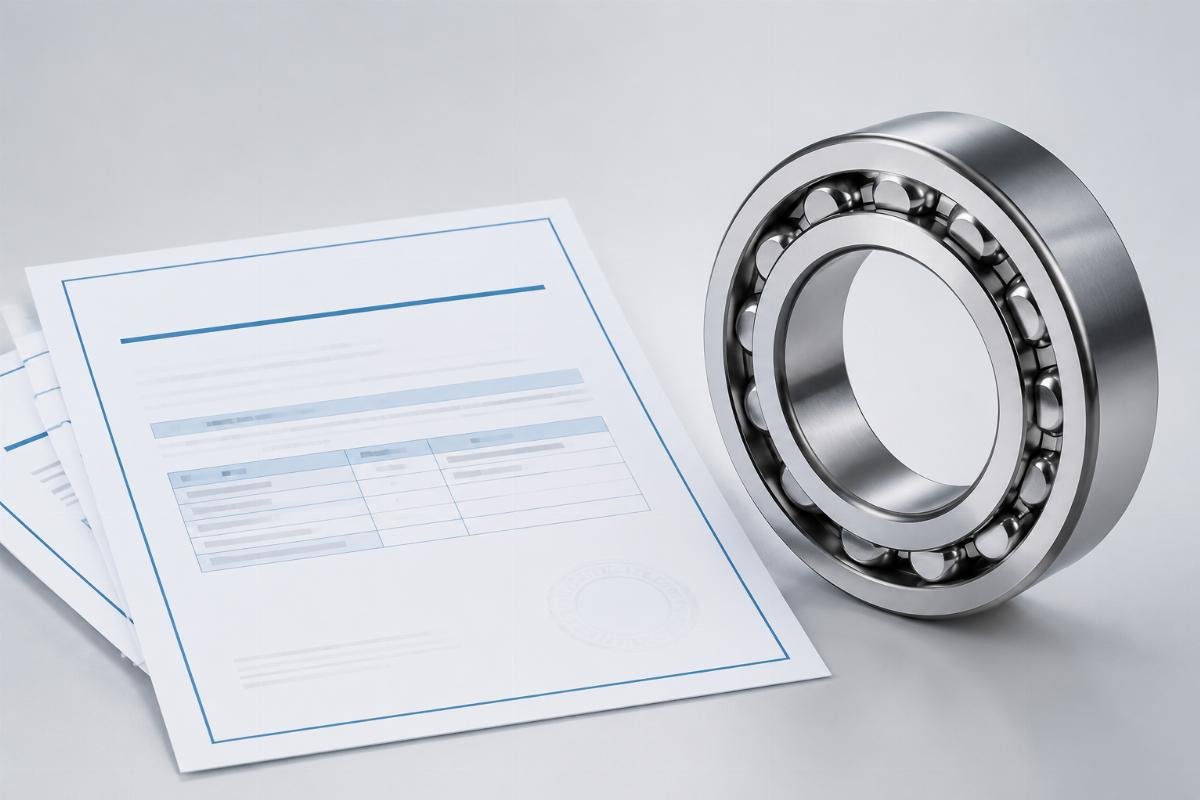
Genuine certification requires operational capabilities—self-operated warehousing, in-house inspection protocols, and batch-level tracking—not just document generation. Many buyers assume a certification document guarantees product quality, but documentation alone is insufficient without the operational infrastructure to enforce it.
| Supplier Capability | Operational Advantage | Ideal Application |
|---|---|---|
| Self-operated warehousing | Real-time batch tracking, controlled storage conditions, immediate certification verification | MRO managers needing emergency replacements |
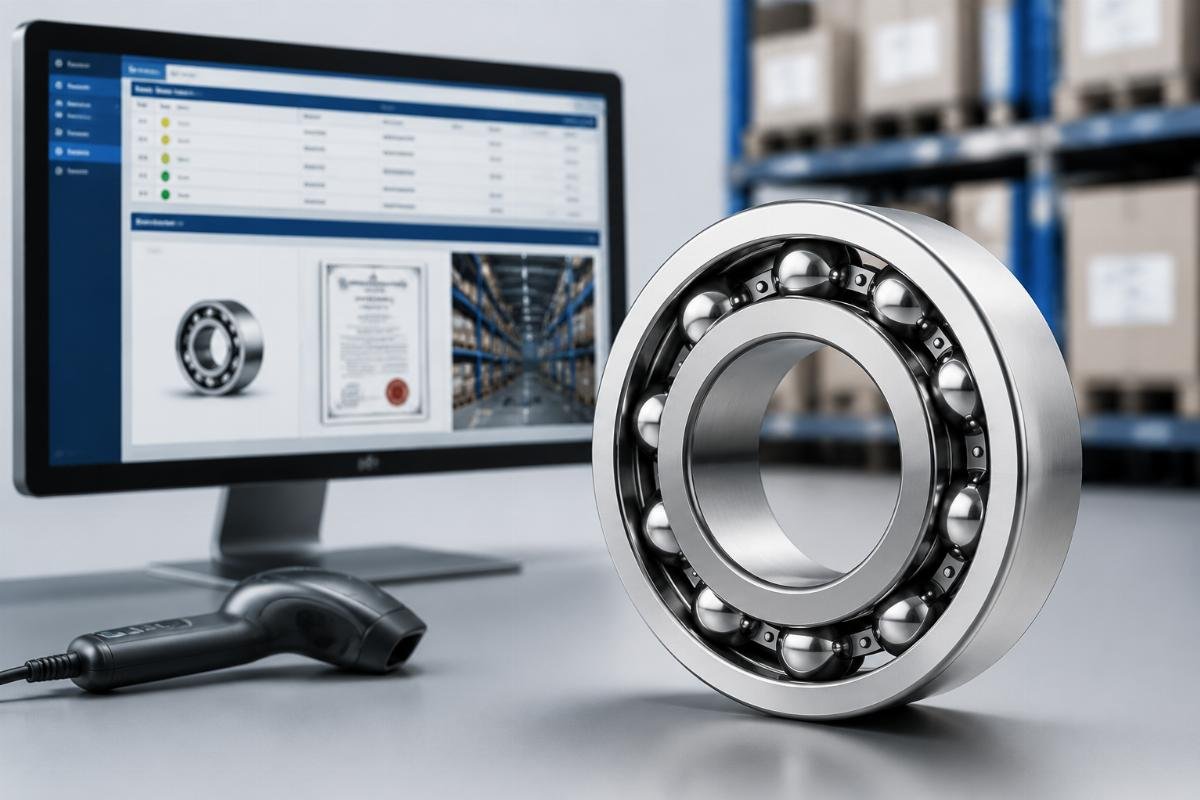
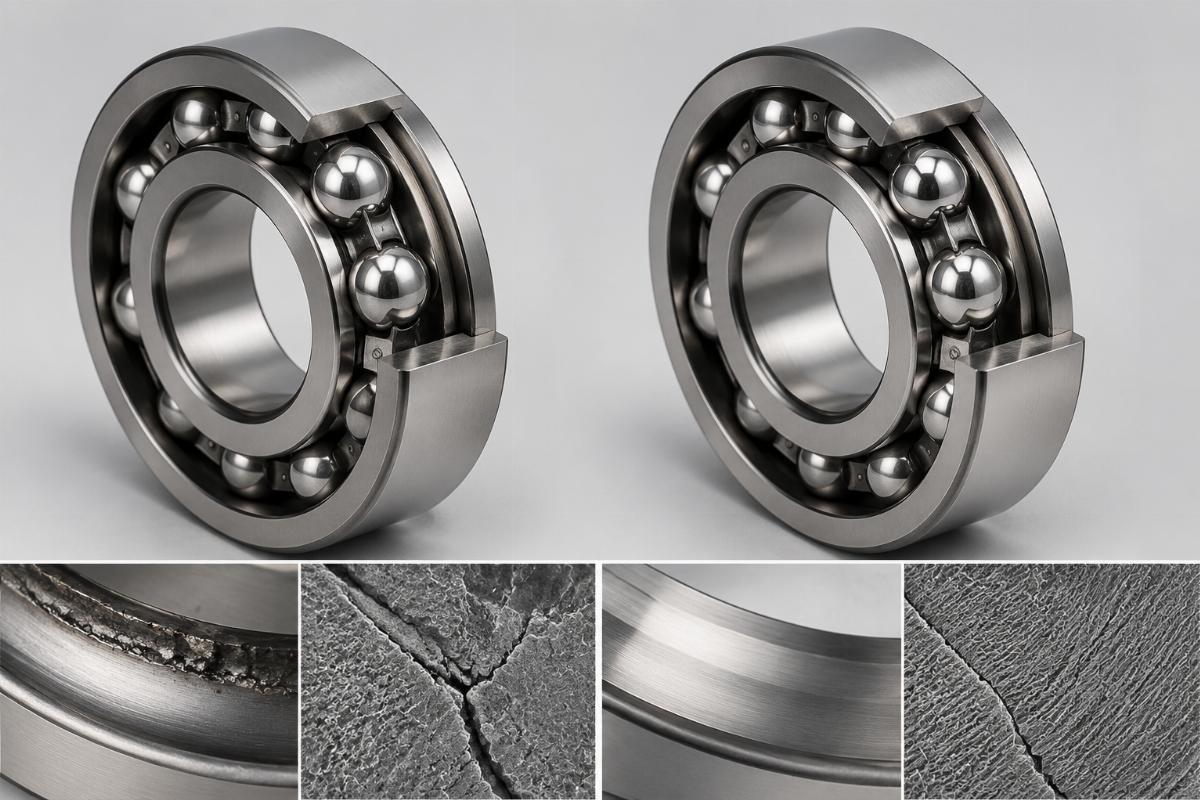
| In-house material testing | Full verification of material properties including hardness, composition, and heat treatment | OEM engineers requiring material consistency |
| Digital traceability system | End-to-end visibility from raw material to delivery, automated certification matching | EPC project managers handling phased deliveries |
| On-site failure analysis | Root cause identification using certified laboratory equipment | Wind energy asset managers optimizing turbine reliability |
In our Qingdao warehouse, every incoming batch is physically cross-referenced against SKF batch records before storage. When a buyer orders spherical roller bearings 22222 CCK/W33 or deep groove ball bearings 6309-2RS1/C3, we pull the exact batch code, link it to the corresponding material test certificate, and confirm dimensional inspection data—all before the shipment leaves the facility. This is not a theoretical capability; it is the operational backbone that separates a genuine bearing certifications China supplier from a document broker.
When evaluating a bearing certifications China supplier, audit these operational dimensions:
- Inspect how bearings are stored, tracked, and linked to certification data in the warehouse
- Review dimensional measurement equipment and calibration schedules
- Request random batch code verification against certification records to test the traceability system
- Assess emergency dispatch capabilities when urgent replacement orders arise
What Is the Step-by-Step Verification Process Before Placing an Order?
Effective verification requires a systematic process that goes far beyond reviewing a scanned certificate. The complexity of supply chains in China can obscure actual production practices, making structured due diligence essential before committing to an order from a bearing certifications China supplier.
The verification process unfolds in four stages:
Stage One: Database Cross-Check. Verify the supplier’s certification numbers directly in the issuing body’s database. For IATF 16949, this means checking the IATF global database; for DNV, confirming classification society records. Never accept a certificate at face value without independent verification. [NEED_CITE: IATF 16949 database verification procedures and common discrepancies]
Stage Two: Batch-Specific Documentation Request. Ask for material test certificates with heat lot numbers that correspond specifically to your order, not generic company-level certifications. A credible bearing certifications China supplier will provide MTCs referencing the exact heat treatment batches and dimensional inspection data for the bearing types you are ordering—whether spherical roller bearings 22330 CC/W33, tapered roller bearings 32220 with clearance C3, or any designation requiring P5 precision grade.
Stage Three: Warehouse Traceability Test. Request a live demonstration of how physical inventory links to certification records. Ask the supplier to pull a random batch from stock and show you the corresponding material certificate, inspection report, and storage location data. If the supplier cannot perform this in real time, their traceability claims are theoretical at best.
Stage Four: Post-Delivery Validation. Confirm that the supplier provides certificates of origin and batch traceability documentation with every shipment, and that third-party inspection is available on request. This stage protects you against the scenario where certified samples are used to secure the order, but non-certified stock is shipped against it. [NEED_CITE: common post-shipment certification fraud patterns in bearing supply chains]
A Middle East customs detention crisis reinforced this process. A shipment was held at the port because the documentation package was incomplete—missing heat lot cross-references and proper certificate of origin formatting. Resolving it required weeks of back-and-forth with customs authorities and cost the client dearly in demurrage and project delays. Since then, every verification protocol has been built around ensuring that documentation travels with the physical goods, verified and cross-checked at every stage. [NEED_CITE: customs detention causes for industrial bearing imports per trade compliance reports]
How to Ensure Documentation Travels with Every Shipment?
Certificate of origin, heat lot cross-references, and batch traceability packages must accompany physical goods to prevent customs detention and buyer rejection. Documentation that arrives separately—or worse, never arrives—turns a compliant shipment into a frozen container.
A Chile steel mill once rejected a full container of spherical rollers because the certificate of origin did not match the SKF batch prefix printed on the inner boxes. The stock was technically valid, but that paperwork gap froze the shipment for weeks and triggered re-inspection fees that erased any margin on the order. The root cause was simple: the supplier had generated the CO from a template rather than pulling batch-specific data from the manufacturer’s records.
To prevent this, require your bearing certifications China supplier to include the following with every shipment:
- Certificate of origin formatted to the destination country’s consular requirements
- Material test certificates with heat lot numbers cross-referenced to inner-box batch codes
- Dimensional inspection reports for precision-graded units (P0/P6/P5/P4)
- Packing list with batch codes matching each inner box and outer carton
- Third-party inspection report if requested under the purchase agreement
Conclusion
Bearing certifications are not compliance decorations—they are the operational backbone of authentic, traceable, and reliable supply chains. Matching the right standard to your industry risk profile, verifying certifications through independent databases, and confirming that your bearing certifications China supplier can link every physical unit to its material test certificate transforms certification from a paperwork exercise into a genuine risk mitigation strategy.
Leave a Reply