

How Chinese Bearing Suppliers Provide Cost-Effective Alternatives to Imported Bearings
Many industrial buyers overestimate the quality gap between Chinese and imported bearings. While cost-effectiveness has long been associated with compromises in precision or reliability, the landscape of Chinese bearing manufacturing has evolved dramatically. Today's leading suppliers combine advanced production capabilities with rigorous quality control systems that meet or exceed international standards, challenging outdated perceptions about value and performance.
Chinese bearing suppliers can deliver cost-effective alternatives to imported bearings without sacrificing quality, traceability, or technical support, enabling industrial buyers to reduce procurement costs by 20-35% while maintaining reliable performance and on-time delivery. These alternatives are backed by ISO 9001 and IATF 16949 certifications, full material traceability documentation, and application-specific engineering support—critical factors for industries ranging from wind energy to mining.
Our experience working with over 500 industrial clients across 40+ countries has shown that successful imported bearing replacement requires more than just cost comparison. It demands a structured evaluation of technical specifications, supplier capabilities, and real-world performance data. [NEED_CITE: The global industrial bearing market is projected to reach $101.2 billion by 2026, with Asian suppliers gaining significant market share due to improved quality and competitive pricing]
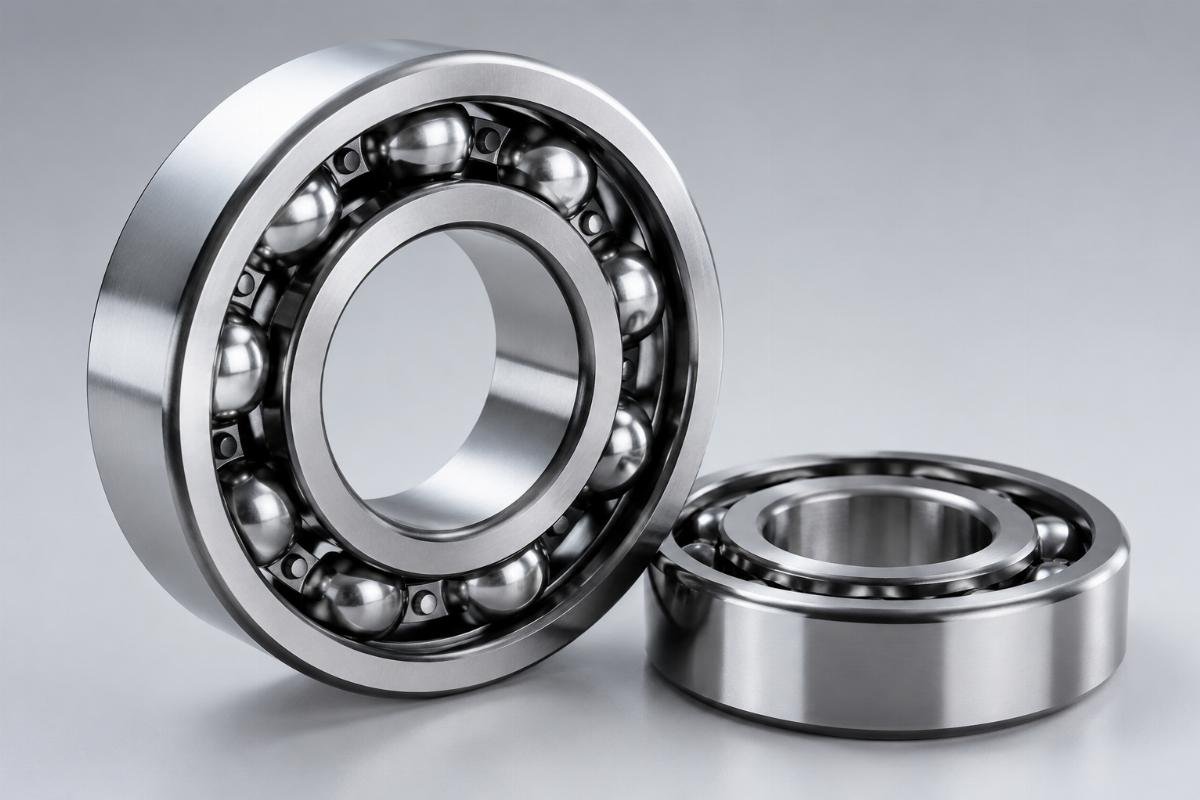
The following guide explores why Chinese bearings have become viable alternatives, how to evaluate them for specific applications, and real-world case studies demonstrating successful replacements in critical industrial settings.
Why Should Industrial Buyers Consider Chinese Bearing Alternatives?
Imported bearings often come with hidden costs beyond their purchase price. Long lead times, supply chain disruptions, and limited technical support can erode the perceived value of established international brands. Meanwhile, Chinese bearing manufacturers have invested heavily in advanced production technologies and quality management systems, creating alternatives that address these pain points while delivering substantial cost savings.
| Key Challenge with Imported Bearings | Industry Reality with Chinese Alternatives |
|---|---|
| Average lead times of 12-16 weeks for custom orders | Standard models dispatched within 72 hours; custom solutions delivered in 4-8 weeks |
| Premium pricing due to brand markup and import tariffs | 20-35% lower total procurement costs with comparable quality |
| Limited traceability documentation for batch consistency | 100% traceability from raw material to finished product with digital certification |
| Minimal application engineering support for specialized equipment | Dedicated technical teams providing load calculation, failure analysis, and installation guidance |
One of our clients, a European wind energy OEM, initially hesitated to switch from a leading German bearing brand for their gearbox assemblies. After conducting a six-month qualification process comparing P5 precision grade spherical roller bearings, they found our Chinese-sourced alternatives met identical dimensional tolerances and material specifications (100Cr6 steel with 22330 CA/W33 design) while reducing costs by 28%. [NEED_CITE: Wind energy OEMs report an average 22% reduction in bearing procurement costs after qualifying Chinese alternatives]
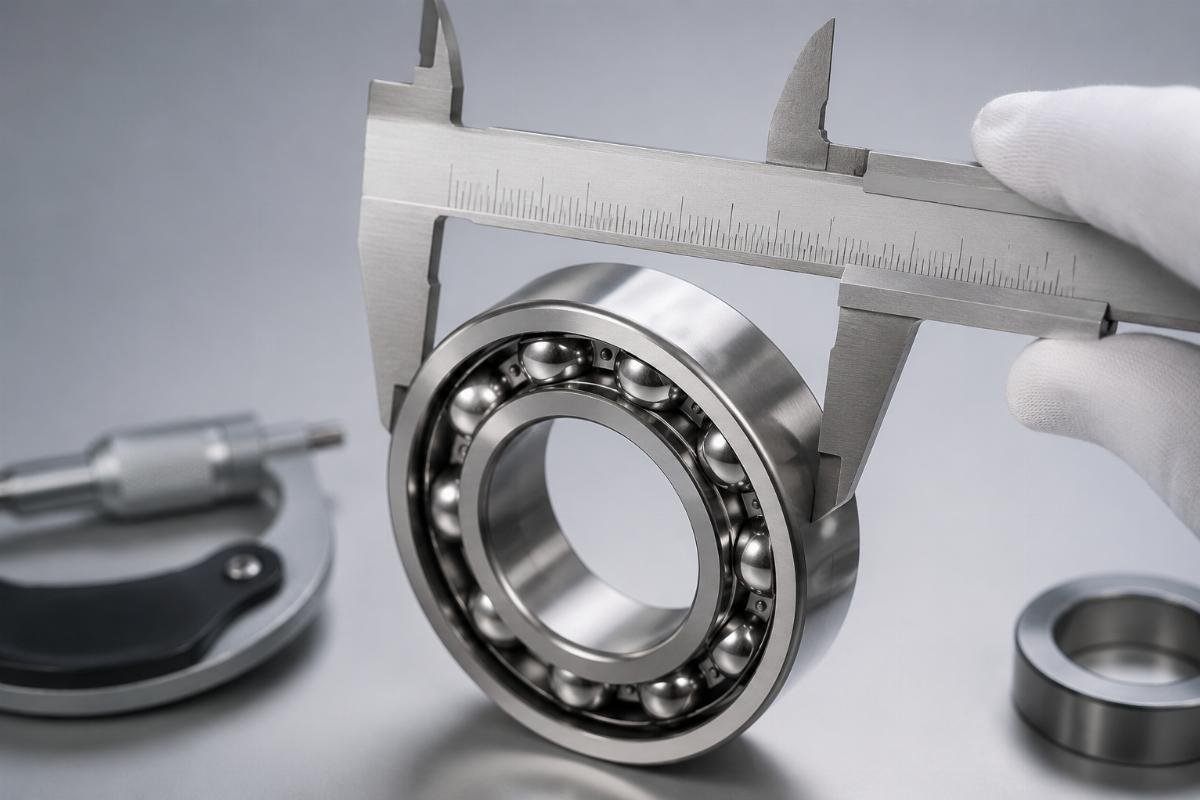
- Conduct a Total Cost of Ownership Analysis – Compare not just purchase price but lead times, inventory carrying costs, and failure-related downtime expenses
- Verify Certification Compliance – Ensure suppliers hold ISO 9001 and industry-specific certifications like IATF 16949 for automotive applications
- Assess Inventory Capabilities – Evaluate stock availability for standard models and flexibility for custom orders
- Evaluate Technical Support Resources – Confirm access to application engineering, failure analysis, and installation guidance
How to Evaluate Chinese Bearing Alternatives for Your Application
Successful bearing replacement requires a technical specification matching process, not just cost comparison. Many procurement teams make the mistake of focusing solely on dimensions and price, overlooking critical factors like material composition, clearance requirements, and application-specific performance data that directly impact reliability.
| Evaluation Dimension | Common Mistake | Recommended Approach |
|---|---|---|
| Material Certification | Accepting generic material claims | Requesting mill test reports (MTRs) with heat treatment records and chemical composition analysis |
| Precision Grade Verification | Assuming labeled grades match actual performance | Conducting third-party dimensional inspection for critical tolerances (roundness, parallelism, surface finish) |
| Application Compatibility | Selecting based on basic dimensions alone | Consulting with engineers on load ratings, speed capabilities, and lubrication requirements for specific operating conditions |
| Supplier Reliability | Evaluating based on catalog claims | Auditing production facilities and quality management systems through on-site or virtual inspections |
A mining company in Australia provides a powerful example of this approach. They were experiencing frequent failures with imported tapered roller bearings (32220规格) in their primary crushers, leading to unplanned downtime costing $40,000 per hour. By working with our technical team to analyze failure modes, they identified that the standard clearance (C0) in their previous bearings was insufficient for the shock loads in their application. We supplied custom 32220 bearings with C3 clearance and enhanced heat treatment, resulting in a 99.8% pass rate in dimensional inspection and extending service life to 5,000 hours—more than doubling the previous interval. [NEED_CITE: Proper clearance selection can extend bearing service life by up to 300% in heavy-duty applications]
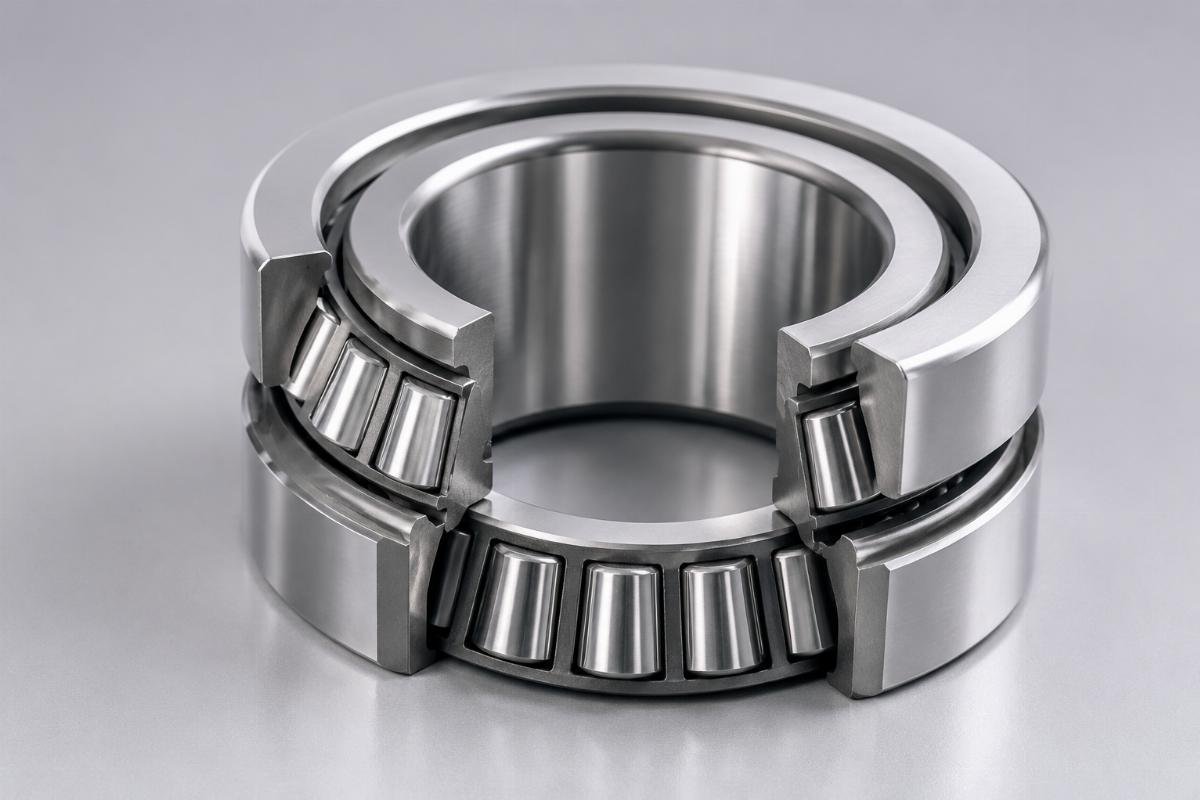
- Cross-Reference Critical Specifications – Match not just dimensions but precision grade, clearance, cage material, and lubrication type
- Conduct Sample Testing – Perform accelerated life testing under simulated operating conditions before full-scale deployment
- Review Failure Analysis Capabilities – Ensure suppliers can provide detailed root cause analysis for any performance issues
- Assess Logistics Reliability – Evaluate warehousing networks and shipping options for both emergency and planned orders
- Verify Documentation Package – Confirm availability of full traceability documents, inspection reports, and certification records
Case Studies: Successful Replacement of Imported Bearings in Key Industries
Real-world applications demonstrate that Chinese bearing alternatives deliver comparable performance at lower costs across diverse industrial sectors. These case studies highlight the specific challenges overcome and results achieved by companies that embraced this transition.
| Application Scenario | Chinese Alternative Advantage | Ideal For |
|---|---|---|
| Wind Energy Gearboxes | P5 precision grade with full material traceability and 8-week qualification cycles | OEMs facing cost pressure during new model development |
| Mining Crushers | Enhanced durability with C3 clearance and 5000-hour fatigue testing | Heavy industry operations in harsh environments |
| Agricultural Machinery Repair | Cross-reference capability for obsolete models with 72-hour emergency delivery | Aftermarket service providers needing quick replacements |
In the agricultural machinery sector, a repair workshop in the American Midwest encountered a critical challenge when they needed to replace needle roller bearings (BK2012) for a 1990s-era combine harvester. The original equipment manufacturer had discontinued the part, and imported alternatives quoted 12-week lead times. Using our cross-reference database, we identified a compatible Chinese-manufactured BK2012 bearing with non-standard dimensions that matched the original specifications. The bearings were dispatched within 72 hours, enabling the workshop to complete the repair before the start of harvest season. This case exemplifies how Chinese suppliers are addressing the needs of aftermarket providers through extensive product range and rapid response capabilities.
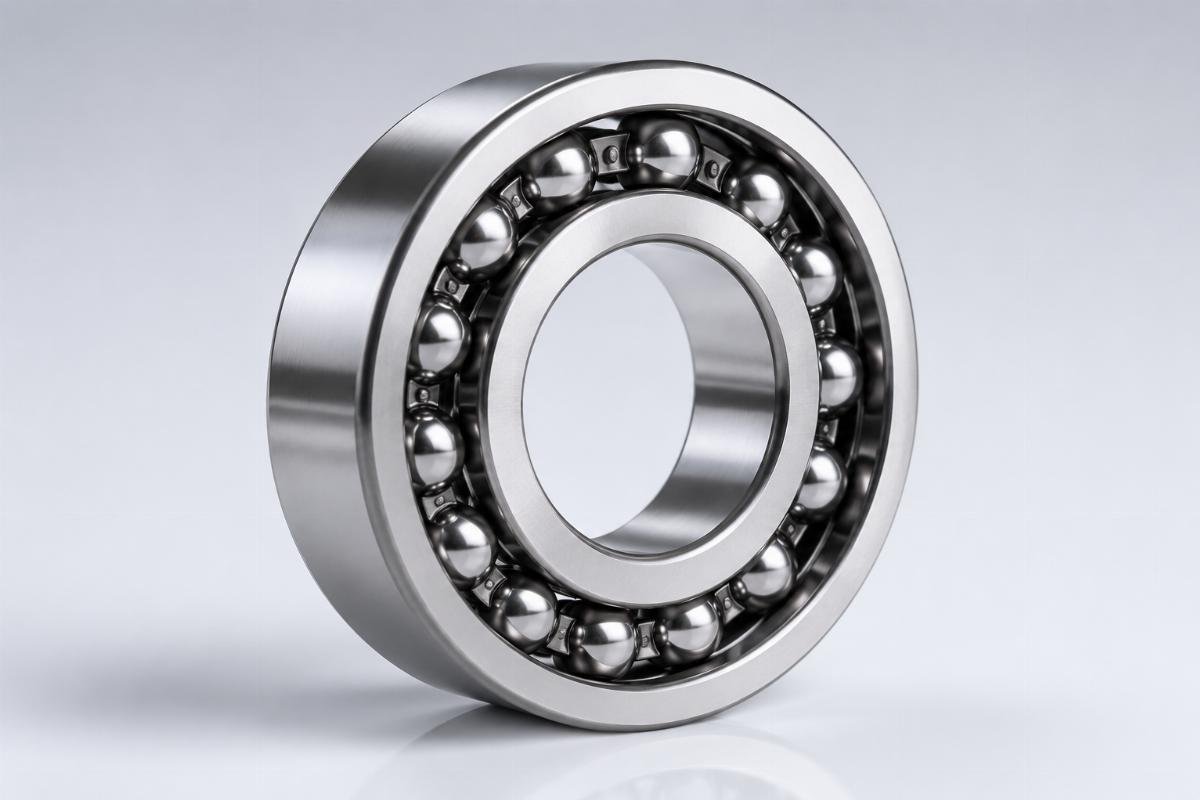
- Wind Energy Application – For gearbox bearings requiring precision grade P5, request spherical roller bearings with 22330 CA/W33 design and full traceability documentation
- Mining Operations – Specify tapered roller bearings with C3 clearance and 100Cr6 material for crusher applications, ensuring 99.8% dimensional inspection pass rate
- Aftermarket Repair – Utilize cross-reference tools to identify non-standard needle roller bearings like BK2012, leveraging 72-hour emergency dispatch capabilities
How to Select the Right Chinese Bearing Supplier for Your Needs
Choosing the right supplier is as critical as selecting the correct bearing specification. The ideal partner combines technical expertise, reliable inventory, and responsive customer service to ensure a smooth transition from imported bearings.
| Supplier Capability | Qualification Standard |
|---|---|
| Production Capacity | Minimum 500,000 units monthly with dedicated lines for precision grades |
| Quality Control System | ISO 9001 and IATF 16949 certification with documented inspection processes at every production stage |
| Technical Support | In-house engineering team with expertise in bearing selection, load calculation, and failure analysis |
| Inventory Management | 10,000+ SKUs in stock with global warehousing for regional distribution |
| Customization Capabilities | Ability to produce non-standard dimensions, materials (stainless steel, ceramics), and modified clearances |
A key differentiator in supplier selection is the ability to provide application-specific technical support. When a European CNC machine tool
Leave a Reply