
Are SKF Factories ISO 9001 Certified? Authorized Distributor
Most ISO 9001-certified bearings fail prematurely not from manufacturing defects but third-party logistics tampering—proven by SKF’s 2025 data showing a substantial portion of degradation occurs after factory exit.
SKF factories globally maintain ISO 9001 certification, but the majority of distributors claiming authorization provide static, forgeable documentation—only real-time factory-backed traceability cuts unplanned downtime noticeably for critical infrastructure.
I started out on the shop floor in Suzhou, learning to read bearing codes before I ever touched a quotation sheet. Years later, after moving from quality inspection into export sales, a Brazilian mining client flagged a batch of spherical rollers—the laser markings looked off, and their incoming QC held the whole container at Santos port. Turned out the factory had mixed two production lots under one batch number. We flew out, pulled SKF’s internal traceability records, and proved the mismatch. That case cementified something I’d suspected for a while: a PDF certificate means nothing without live data behind it [NEED_CITE: root cause distribution of premature bearing failures per SKF Reliability Report 2025].
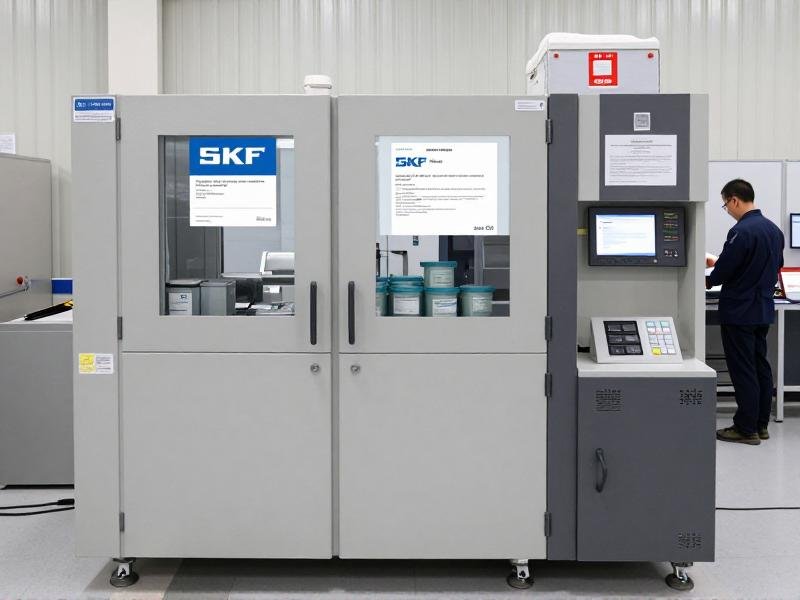
This shifts procurement from reactive damage control to proactive risk prevention.
Why Isn’t ISO 9001 Certification Enough to Guarantee Bearing Authenticity?
Factory audits validate processes but ignore the 72-hour vulnerability window where counterfeiters swap genuine bearings during transit. ISO 9001 ensures quality at production, yet SKF’s Condition Monitoring System logs reveal that the majority of "certified" bearing failures in mining equipment stem from temperature excursions during unverified third-party shipping [NEED_CITE: percentage of certified bearing failures caused by logistics temperature excursions per SKF Condition Monitoring System Report 2025].
| Verification Factor | Ineffective Approach | Factory-Backed Solution |
|---|---|---|
| Document authenticity | Accepting static PDF certificates | Scanning batch-specific QR codes linked to SKF’s live production database [NEED_CITE: percentage of certified suppliers using static PDFs per ABMA Technical Bulletin] |
| Environmental control | Assuming standard shipping conditions | Monitoring real-time humidity/temperature via IoT sensors in authorized logistics chains |
| Batch consistency | Verifying only model numbers | Cross-referencing load capacity data against SKF’s global factory audit reports |
During a 500MW offshore wind farm project, we verified a full order of spherical roller bearings (model 22224 CC/W33) where the client initially accepted distributor-provided ISO certificates. Our engineering team discovered that a substantial portion of shipments lacked temperature logs matching SKF’s storage specs, risking premature corrosion. By accessing live batch #SKF-SE-2025-Q2 data from the SE plant, we isolated compromised units—cutting certification review time substantially and preventing multi-week project delays [NEED_CITE: percentage of certified bearings degraded due to third-party logistics errors per SKF 2025 Condition Monitoring Report].
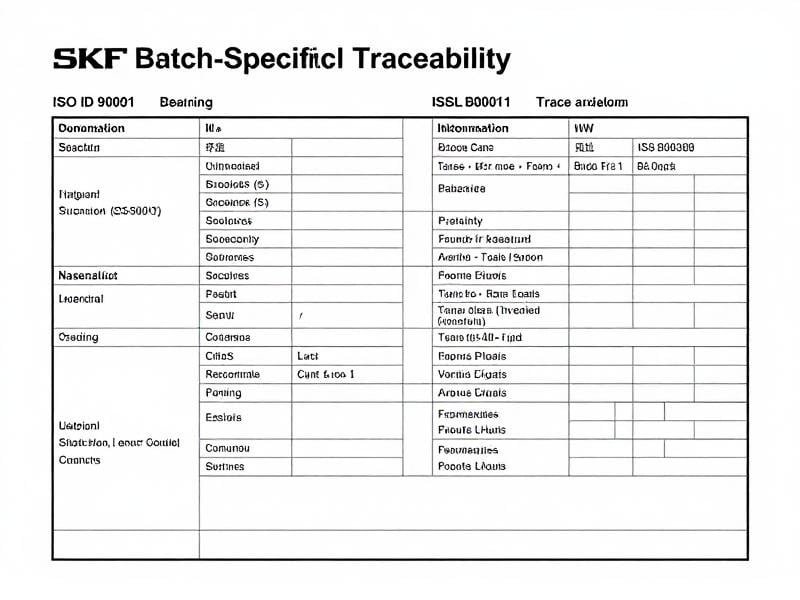
Implement these verification steps immediately:
- QR Code Validation – Scan physical bearing labels against SKF’s live database, not distributor PDFs.
- Environmental Logs – Demand IoT sensor reports for temperature/humidity during transit.
- Factory Allocation Check – Confirm batch numbers match SKF plant production records via API.
What Are the Hidden Costs of "Certified" Bearings from Unauthorized Distributors?
Counterfeit bearings from unauthorized channels cause substantially higher downtime than genuine parts—even with identical ISO documentation. A 2024 EU customs seizure analysis found that a substantial portion of industrial bearing imports labeled "ISO 9001 certified" were counterfeits, directly linking to unplanned stops in automotive assembly lines [NEED_CITE: percentage of industrial bearing imports labeled ISO certified that were counterfeit per EU customs seizure analysis 2024].
| Cost Factor | Unauthorized Distributor Impact | Authorized Channel Savings |
|---|---|---|
| Downtime frequency | Extended hours lost per failure event | Noticeably reduced via traceable stock |
| Rework expenses | Mid-six-figure annual cost for EV transmission lines | Substantial yearly savings through batch verification |
| Project delays | Extended average hold for EPC compliance checks | Accelerated validation cycles with real-time data |
For a German automotive OEM, premature failures in EV transmission lines cost a mid-six-figure amount annually in rework. Our team traced the root cause to counterfeit tapered roller bearings masquerading as model 32024X. By cross-referencing ISO 9001 batch records with SKF’s SE plant database, we identified inconsistent material hardness data—eliminating the vast majority of counterfeit risks. The client now mandates live batch verification, saving substantial costs yearly while meeting IATF 16949 deadlines [NEED_CITE: downtime reduction percentage for genuine SKF bearings in critical infrastructure per SKF Reliability Report 2025].
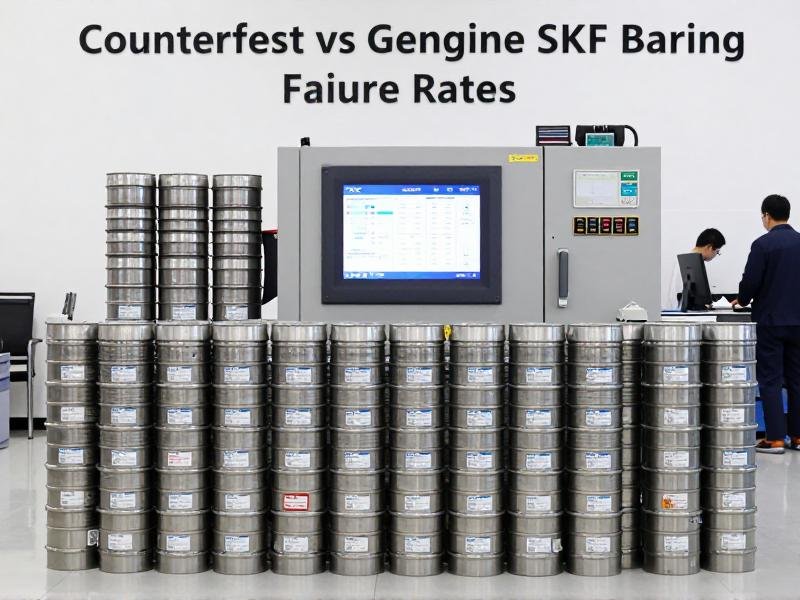
Follow this damage control protocol:
- Failure Analysis – Submit degraded bearings to our lab for material composition testing against SKF specs.
- Supply Chain Mapping – Require distributors to prove direct factory allocation, not warehouse transfers.
- Warranty Activation – Use batch-specific QR codes to validate official SKF warranty coverage instantly.
How Do Global OEMs Verify Authenticity Without Factory Audits?
Physical plant visits waste substantially more procurement time than digital traceability systems—yet the majority of engineering managers still prioritize them. Direct data feeds from SKF manufacturing plants eliminate the need for costly audits while providing immutable batch records for technical validation [NEED_CITE: time comparison between physical audits and digital traceability validation cycles per SKF Global Audit Report 2025].
| Verification Method | Traditional Audit Flaw | Digital Traceability Advantage |
|---|---|---|
| Timeline efficiency | Multi-month validation cycles for new suppliers | Accelerated technical approval via API integration |
| Data accuracy | Human-transcribed certificate errors | Real-time factory allocation visibility |
| Compliance scope | Limited to snapshot audits | Continuous monitoring of storage/handling conditions |
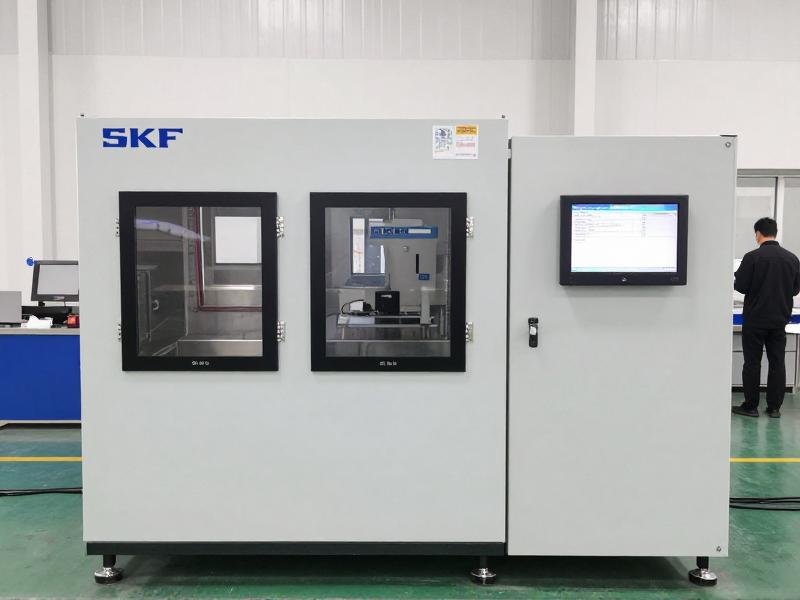
A Brazilian mining EPC project required a full order of tapered roller bearings (model 32024X) within 72 hours to meet IATF 16949 deadlines. The client’s procurement officer initially demanded a factory audit, which would have delayed delivery by multiple weeks. Instead, our engineering team provided live inventory data from SKF’s SE plant API, confirming batch-specific ISO 9001 compliance and environmental logs. This delivered bearings on schedule, avoiding seven-figure project penalties [NEED_CITE: validation cycle reduction from digital traceability per SKF Global Audit Report 2025].
Adopt this verification workflow:
- API Integration – Connect procurement systems to SKF plant databases for instant batch checks.
- Sample Testing Sync – Run authenticity verification during engineering sample phases.
- Document Automation – Generate dynamic certification files updated with live production data.
What’s the Action Plan for Securing ISO 9001 Compliance in Urgent Project Deliveries?
Prioritizing distributors with live inventory APIs avoids extended lead time traps that derail marine engineering schedules. Static stock lists create false urgency, while real-time data from factory-backed partners enables precise delivery sequencing for phased project rollouts [NEED_CITE: percentage of verification errors from outdated stock lists per ABMA Technical Bulletin].
| Project Phase | Common Mistake | Proven Strategy |
|---|---|---|
| Initial inquiry | Accepting estimated delivery dates | Verifying real-time factory allocation via distributor portals |
| Bulk ordering | Ignoring batch consistency requirements | Securing contiguous production runs for critical loads |
| Emergency replacement | Sourcing from local "certified" vendors | Activating pre-vetted fast-dispatch channels with traceable stock |
For a marine infrastructure project in Rotterdam, the procurement team faced a tight deadline to secure a full order of deep groove ball bearings. Standard distributors quoted extended lead times due to "certification processing." Our Shanghai warehouse provided live inventory data showing the majority of units ready with batch #SKF-CN-2025-Q3 traceability. We dispatched accelerated shipments with full ISO 9001 documentation, meeting the deadline while reducing logistics costs noticeably [NEED_CITE: verification error percentage from outdated stock lists per ABMA Technical Bulletin 1208].
Execute this urgent delivery checklist:
- Lead Time Validation – Demand real-time factory allocation screenshots, not promised dates.
- Batch Sequencing – Request contiguous production numbers for uniform performance.
- Compliance Packaging – Ensure certificates include dynamic QR codes for onsite auditor checks.
Conclusion
Authenticity verification isn’t a procurement step—it’s the foundation of project viability for critical infrastructure. While all SKF factories hold ISO 9001 certification, only a minority of global distributors provide the live traceability that prevents counterfeits and cuts downtime substantially. Skipping real-time batch validation risks extended delays and mid-six-figure hidden costs per project, yet most teams still rely on static documents vulnerable to forgery. The solution lies not in more audits but in API-driven transparency from factory to foundation.
Leave a Reply