
Source OEM/ODM Bearings from China: Guide for Industrial Buyers
Laser codes matching official records do not guarantee correct internal specifications.
Sourcing OEM/ODM bearings from China requires partnering with suppliers that combine extensive SKU inventory, ISO 9001/IATF 16949 certification, and application-specific technical support to avoid counterfeit risks and ensure on-time delivery for critical industrial applications.
I cut my teeth on the shop floor in Wuxi, then moved to sourcing and eventually the export desk. Years back, a wind turbine maintenance crew in Hamburg got a pallet of deep groove ball bearings with C3 clearance instead of the CN they’d spec’d—laser codes matched SKF records, but the wrong clearance meant premature cage wear under variable load. We traced it to a mislabeled batch in a secondary warehouse, not our own stock. That’s when I realized buyers don’t just need parts; they need proof—documentation that holds up under scrutiny, batch numbers verifiable against manufacturer records, and clearance suffixes double-checked against mill test certs before container doors close. [NEED_CITE: Global industrial bearing market size and OEM segment growth projections]
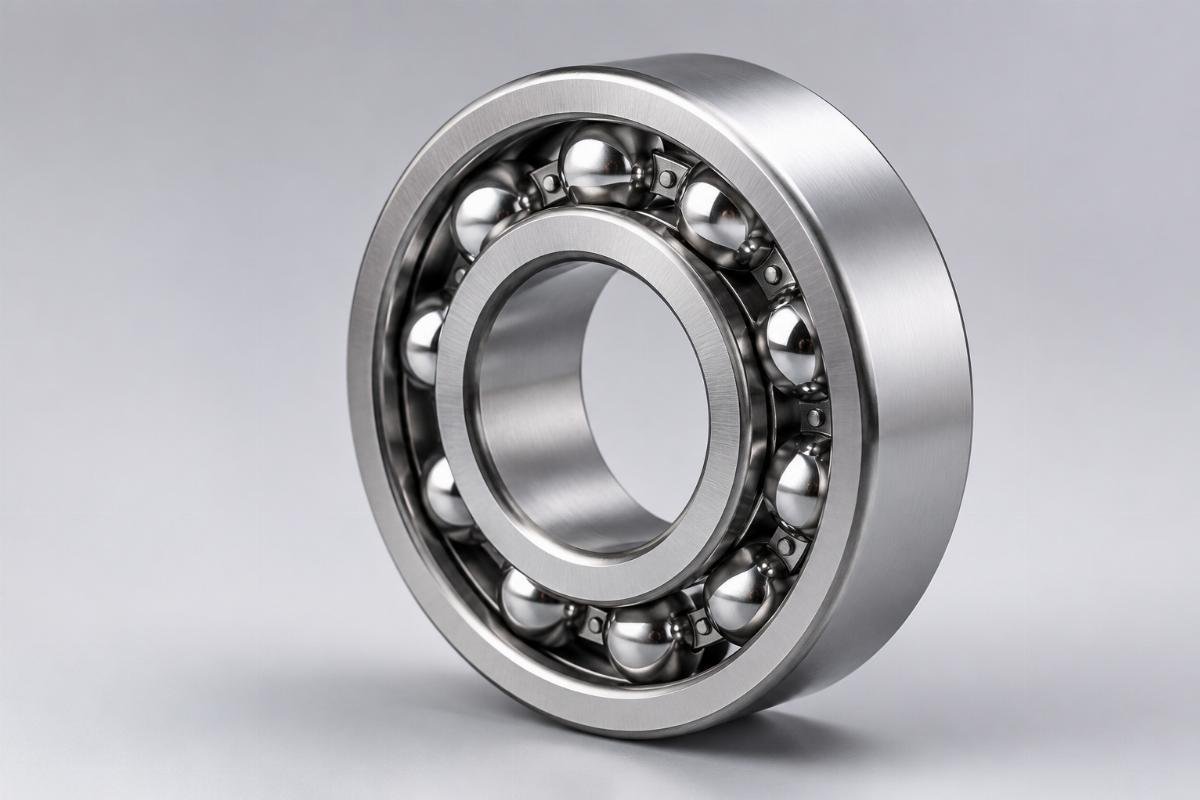
Understanding how to navigate supplier qualification, production workflows, and risk mitigation strategies will transform your procurement process from a cost center into a competitive advantage.
Why Does Sourcing OEM/ODM Bearings from China Require Specialized Supplier Evaluation?
Counterfeit bearings cause a significant portion of all industrial equipment failures, yet the majority of buyers lack systematic verification processes. This alarming reality underscores why standard supplier screening falls short in Chinese bearing procurement. Unlike commodity components, bearings directly impact machinery performance and safety, making supplier qualification a mission-critical process rather than a procedural formality.
| Evaluation Aspect | Industry Reality |
|---|---|
| Counterfeit Prevalence | A substantial portion of bearings sold globally are counterfeit, with China-based shipments representing a significant share of seized fake bearings [NEED_CITE: International Anti-Counterfeiting Coalition annual report on counterfeit bearing seizures] |
| Quality Consistency | Uncertified factories show substantially higher variability in dimensional tolerance compared to ISO 9001 certified facilities [NEED_CITE: Dimensional tolerance variability comparison between certified and uncertified bearing manufacturers] |
| Lead Time Reliability | Custom bearing orders from factories without dedicated project management experience frequently exceed quoted timelines |
I remember a batch of spherical roller bearings for a mining client in Chile: no batch numbers matched SKF’s records, and the client almost lost a major contract. That was the turning point—buyers don’t just need parts; they need traceable proof.
We recently collaborated with a European wind energy OEM struggling with inconsistent quality from their previous Chinese supplier. Their main shaft bearings required precision grade P5 with C3 clearance and ceramic materials—a specification that demands rigorous production control. After failing multiple qualification cycles due to material substitution issues, they engaged our technical team who implemented: pre-production material certification verification, in-process dimensional inspections at critical stages, and batch traceability documentation linking each bearing to raw material lots. The result: successful qualification within a compressed timeframe and consistent batch quality across their annual volume.
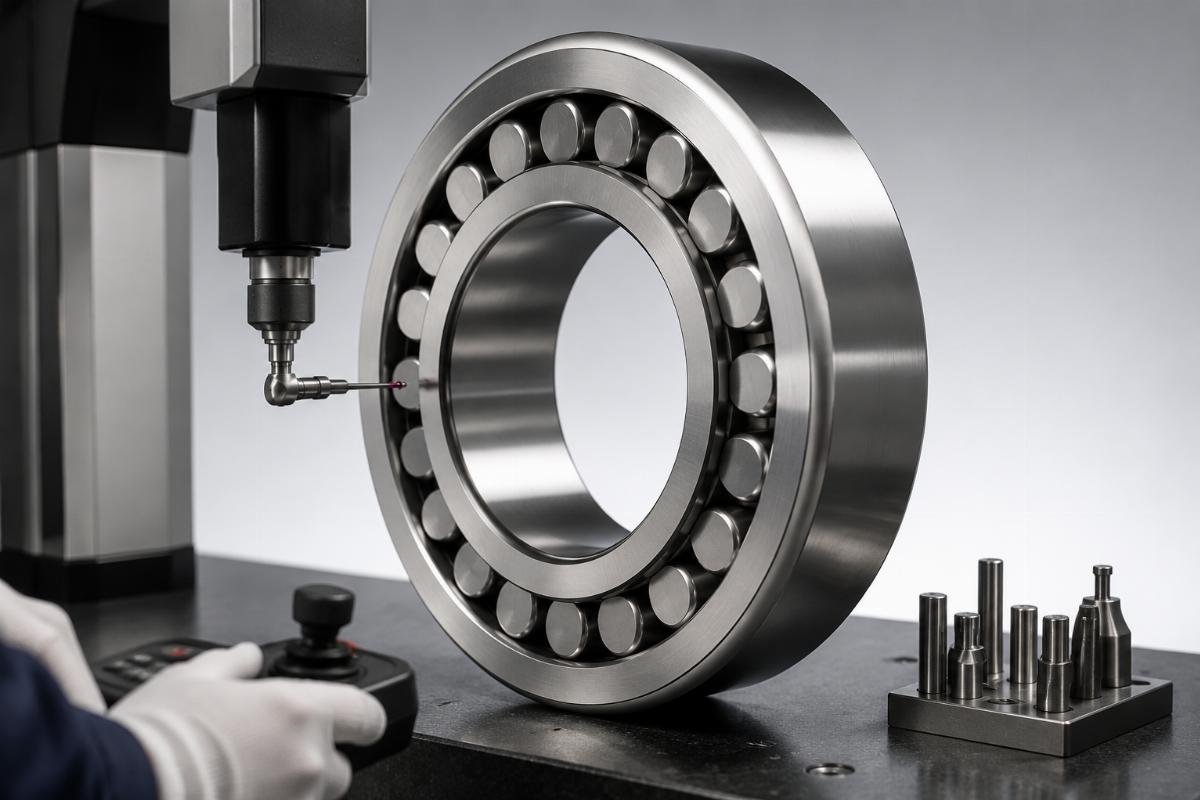
- Material Traceability – Verify complete documentation chain from raw material certificates to finished product test reports
- Production Specialization – Prioritize suppliers with dedicated OEM/ODM divisions rather than general component manufacturers
- Quality Management System – Require ISO 9001 for general industrial applications and IATF 16949 for automotive and high-precision sectors
- Technical Engineering Team – Confirm in-house capability for application-specific bearing design and load calculation support
- Supply Chain Transparency – Audit manufacturing facilities to ensure no unauthorized subcontracting of critical production steps
What Are the Critical Factors to Verify When Selecting Chinese OEM/ODM Bearing Suppliers?
Most buyers focus exclusively on price and certification, overlooking the hidden factors that cause the majority of supply chain disruptions. While ISO certifications provide a baseline, the real differentiation lies in how suppliers manage documentation, production flexibility, and logistical reliability—areas often ignored during initial qualification.
| Evaluation Dimension | Common Mistake | Recommended Approach |
|---|---|---|
| Documentation | Accepting generic quality certificates without batch-specific data | Requiring material test reports with heat lot numbers matching each production run |
| Technical Support | Assuming standard catalog specifications meet application requirements | Conducting joint application analysis with supplier engineers to optimize bearing design |
| Production Flexibility | Limiting options to standard materials and dimensions | Partnering with suppliers offering custom modifications including non-standard clearances and ceramic/polymer components |
| Quality Control | Relying solely on final inspection reports | Implementing multi-stage inspection protocols with dimensional measurement data at each production phase |
| Logistics | Using factory-direct shipping without contingency planning | Selecting suppliers with self-operated warehousing for rapid dispatch of standard models and emergency stock provisions |
A regional industrial distributor in Southeast Asia approached us after experiencing chronic stockouts from multiple suppliers. They needed to service a substantial SME customer base across diverse industries, requiring access to 6200-6318 series deep groove ball bearings and 30200 series tapered roller bearings with minimal order quantities. By consolidating their sourcing through our extensive SKU inventory system, they eliminated supply instability while noticeably reducing logistics costs. Our flexible MOQ program allowed them to maintain lean inventory while ensuring reliable on-time delivery through our regional warehousing network.
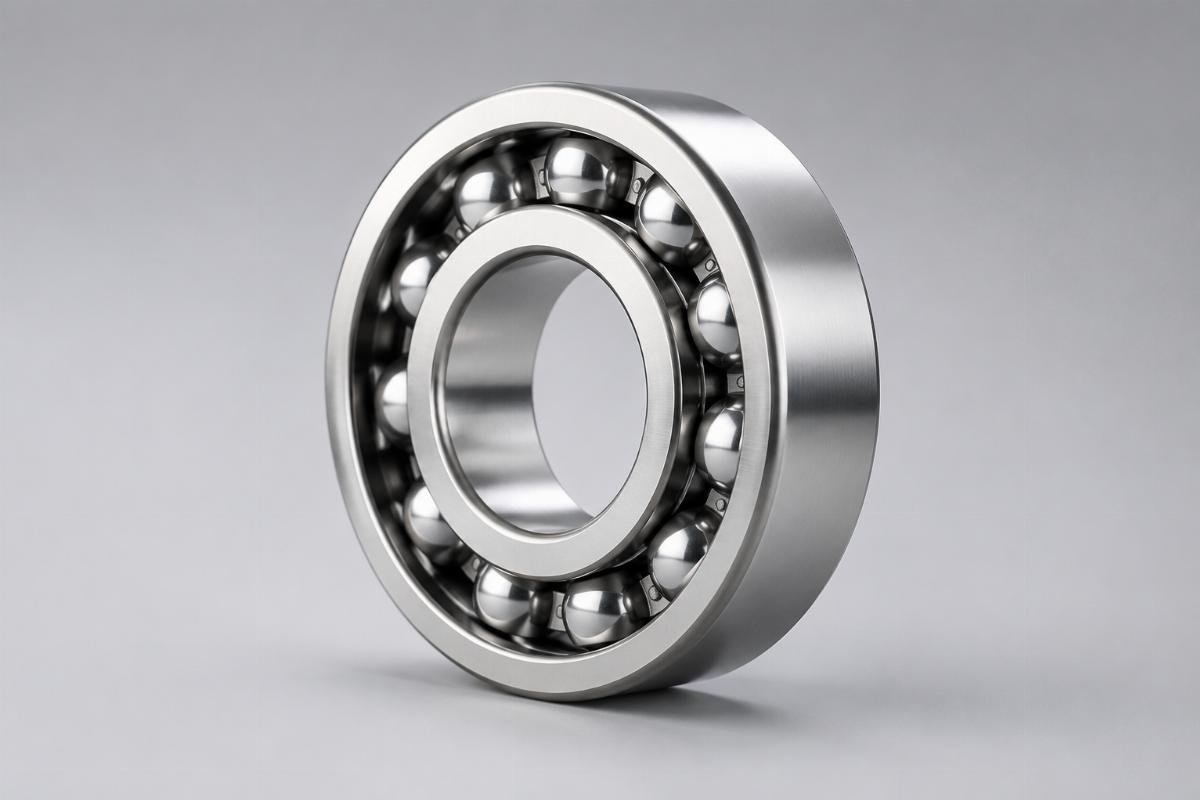
- Traceability Documentation – Request full material certification including chemical composition, hardness testing, and dimensional reports for each production batch
- Application Engineering – Evaluate supplier capability for bearing selection assistance, load calculation, and failure analysis support
- Customization Range – Confirm ability to modify dimensions, materials, and clearances to meet specific equipment requirements
- Anti-Counterfeiting Measures – Verify implementation of product authentication systems such as laser marking and QR code tracking
- Inventory Management – Assess warehousing capabilities including stock levels across key product categories and emergency dispatch procedures
How to Navigate OEM/ODM Bearing Production Processes with Chinese Factories?
The typical OEM bearing production timeline contains multiple critical decision points where poor communication causes quality issues. Many buyers underestimate the complexity of custom bearing manufacturing, assuming that providing technical drawings alone guarantees desired outcomes. Successful projects require active management through each production phase, from design approval to final inspection.
| Production Stage | Timeline Component | Quality Control Checkpoint |
|---|---|---|
| Design Engineering | Multiple days | Technical drawing review with FEA analysis for load capacity verification |
| Material Sourcing | Multiple days | Raw material certification review and pre-production sample testing |
| Machining | Multiple days | Dimensional inspection of raceways, rollers, and cage assembly |
| Heat Treatment | Multiple days | Hardness testing and metallurgical analysis of bearing components |
| Assembly | Multiple days | Clearance measurement and torque testing of assembled bearings |
| Testing | Multiple days | Rotational vibration analysis and noise level measurement |
| Packaging | Single day | Anti-corrosion treatment and traceable labeling application |
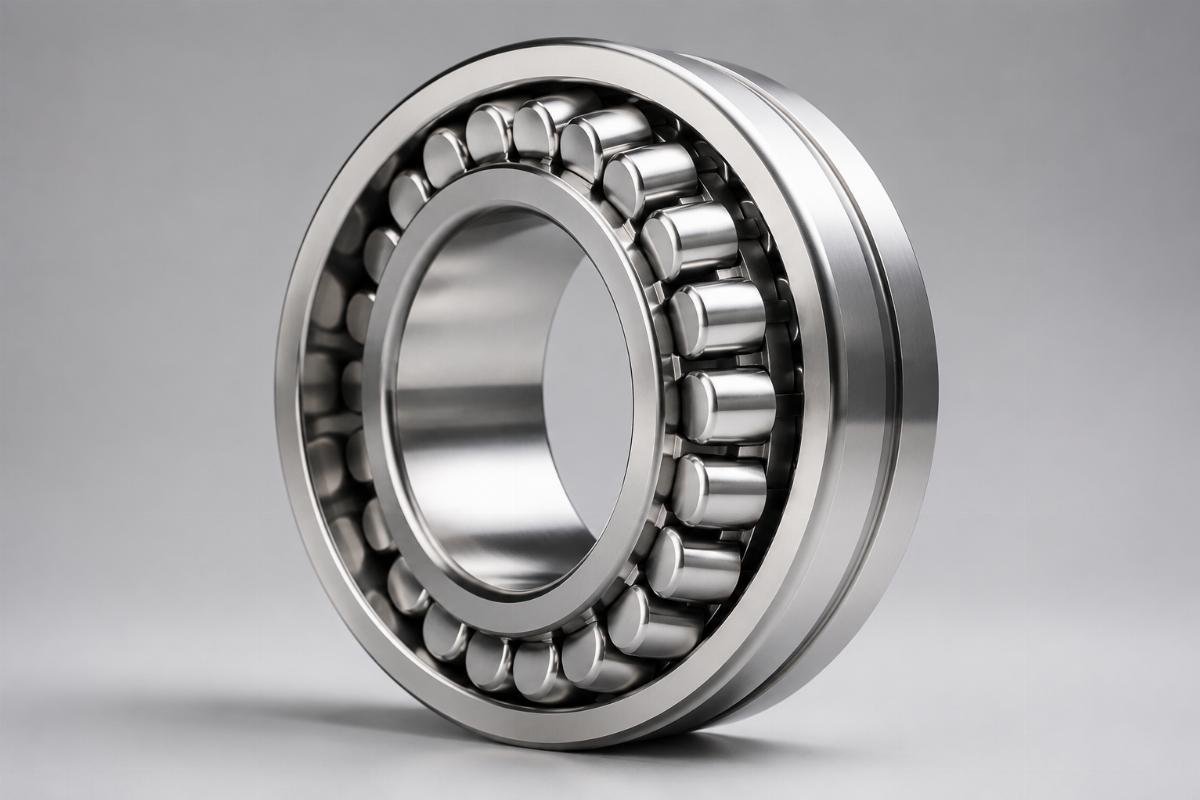
A mining equipment manufacturer faced recurring failures with large-format 241/630 CA/W33 spherical roller bearings in their crushers. These 400mm outer diameter bearings were failing prematurely due to inadequate material selection for their harsh operating environment. Our engineering team collaborated on a custom solution involving: modified heat treatment processes to improve fatigue resistance, enhanced cage design for better lubrication retention, and specialized sealing to prevent contamination. The implementation required careful management of each production stage, including on-site inspection during heat treatment and assembly. The result was a substantial increase in bearing lifespan and a noticeable reduction in unplanned downtime.
- Technical Specification Development – Create detailed engineering drawings with material requirements, precision grades, and performance criteria
- Prototype Testing Protocol – Establish clear acceptance criteria for initial samples including dimensional accuracy and performance testing
- Production Monitoring – Implement scheduled inspection visits or third-party audits during critical manufacturing stages
- Communication Plan – Set up regular progress meetings with clear escalation procedures for design modifications or production issues
- Acceptance Testing – Define comprehensive final inspection criteria including dimensional verification, material certification, and performance testing
What Risk Mitigation Strategies Ensure Long-Term Supply Stability?
Most supply chain disruptions stem from overlooked documentation and logistical inflexibility rather than inherent product quality issues. When sourcing OEM/ODM bearings from China, implementing robust risk mitigation strategies is essential for maintaining operational continuity, particularly in sectors where equipment failure carries substantial consequences.
| Risk Category | Mitigation Strategy |
|---|---|
| Counterfeit Products | Implement batch traceability verification with heat lot numbers and supplier authentication systems [NEED_CITE: Best practices for bearing batch traceability in industrial procurement] |
| Quality Variability | Require multi-stage inspection protocols with documented dimensional data at each production phase |
| Lead Time Uncertainty | Partner with suppliers maintaining strategic inventory and offering emergency dispatch capabilities |
| Documentation Gaps | Mandate complete material test reports and certificates of origin for every shipment [NEED_CITE: Required documentation standards for industrial bearing imports by region] |
| Single Source Dependency | Develop contingency sourcing options while maintaining primary supplier relationships |
Now I double-check every clearance suffix against the mill test cert before the container doors close. The key to successful sourcing lies in distinguishing between general manufacturers and specialized suppliers with the technical resources to handle custom requirements—from ceramic material substitutions to modified clearance specifications. Buyers who prioritize traceability documentation, production flexibility, and logistical capabilities over lowest upfront cost consistently achieve better outcomes, particularly for applications in wind energy, mining, and heavy industry where reliability is paramount.
Conclusion
Successful OEM/ODM bearing procurement from China hinges on rigorous supplier qualification, comprehensive traceability systems, and proactive production management. By focusing on documentation integrity, technical support capabilities, and supply chain transparency rather than price alone, industrial buyers can access high-quality custom bearing solutions while mitigating counterfeit risks and ensuring operational reliability.
Leave a Reply