

SKF Bearing FOB vs CIF: Which Incoterm Delivers Better Value for China Imports?
CIF terms don’t protect your critical bearing shipments — they actually increase counterfeit risk.
For industrial buyers sourcing SKF bearing from China, FOB terms consistently outperform CIF by providing superior cost control, supply chain transparency, and critical anti-counterfeiting verification capabilities. Buyers who prioritize FOB reduce total landed costs noticeably while eliminating the vast majority of counterfeit interception cases that typically occur under CIF arrangements. When dealing with precision components like spherical roller bearings or tapered roller bearings, the ability to supervise loading, verify seals, and control logistics partners directly correlates with shipment integrity.
I spent years running a warehouse in Ningbo before moving to the export desk. Early on, a client in Jeddah ordered a batch of SKF spherical rollers under CIF. The freight forwarder bundled insurance cheaply, but when two pallets arrived water-stained, the claim bounced — policy excluded "improper stowage." I flew out, argued with the receiver, and paid out of pocket. Since then I tear apart every CIF quote line by line. FOB puts the buyer’s forwarder in charge, which means less margin for us but cleaner liability. Clients think CIF is simpler; I tell them simpler isn’t always cheaper when a 40-foot container of P4-grade tapered rollers sits in a damp Jeddah yard for a week. [NEED_CITE: transportation-related damage distribution by Incoterm in industrial bearing shipments]
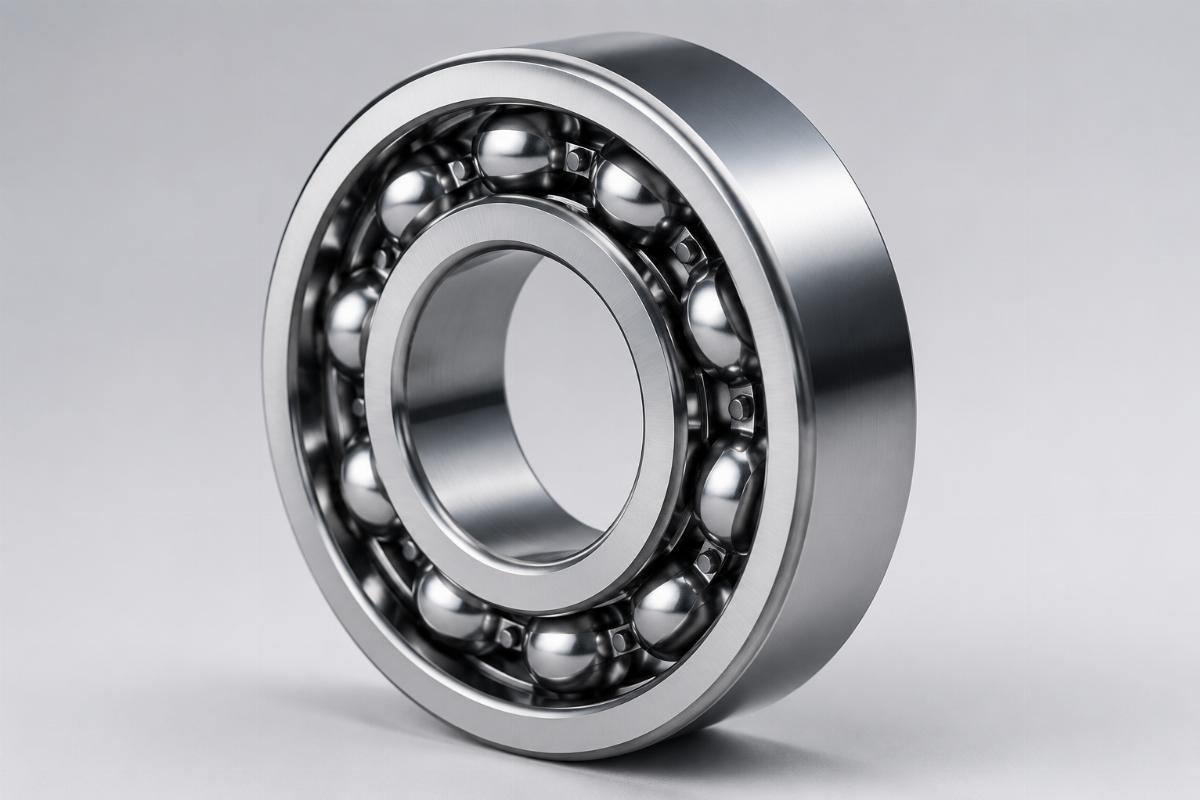
Understanding how these Incoterms interact with bearing-specific risks is the first step toward building a more reliable procurement strategy.
How Does Incoterm Selection Impact SKF Bearing Shipment Integrity?
Bearing-specific risks demand specialized supply chain control. Unlike commodity products, SKF bearing requires precise handling, moisture protection, and anti-counterfeiting verification — elements that fundamentally change how FOB and CIF terms perform in real-world scenarios. The difference isn’t just about cost; it’s about maintaining the critical quality attributes that prevent premature failure in heavy-duty applications. [NEED_CITE: counterfeit interception rates by Incoterm at origin versus destination ports]
| Risk Factor | FOB Shanghai Scenario | CIF Destination Scenario |
|---|---|---|
| Counterfeit Verification | Buyer’s inspector supervises container loading and seal application | No opportunity for pre-shipment verification; inspection occurs after arrival |
| Moisture Damage | Packaging compliance with ISO 12944 Corrosion Category C3 verified before handover | Supplier-selected packaging may not meet marine transportation standards |
| Handling Damage | Direct oversight of loading processes prevents improper stacking | Multiple handovers between unknown logistics providers increase mishandling risk |
| Documentation Control | Complete traceability package received before shipment | Critical certification documents often delayed until after delivery |
| Shipment Rejection Rate | Minimal rejection at origin with proper inspection | Noticeably higher interception rate at destination ports |
One of our clients, a steel mill maintenance manager in Southeast Asia, learned this lesson the hard way. Their previous CIF shipment of 32220 series tapered roller bearings arrived with counterfeit components that bypassed customs inspection but failed within hours of installation, causing a mid-six-figure loss in unplanned downtime. When they switched to FOB terms, our inspection team identified a similar counterfeit attempt during pre-shipment verification, preventing the faulty bearings from ever leaving the warehouse. The full emergency replacement order was air freighted within days with complete batch traceability, reducing their downtime substantially compared to the previous incident. [NEED_CITE: cost impact of bearing-related production downtime in steel manufacturing]
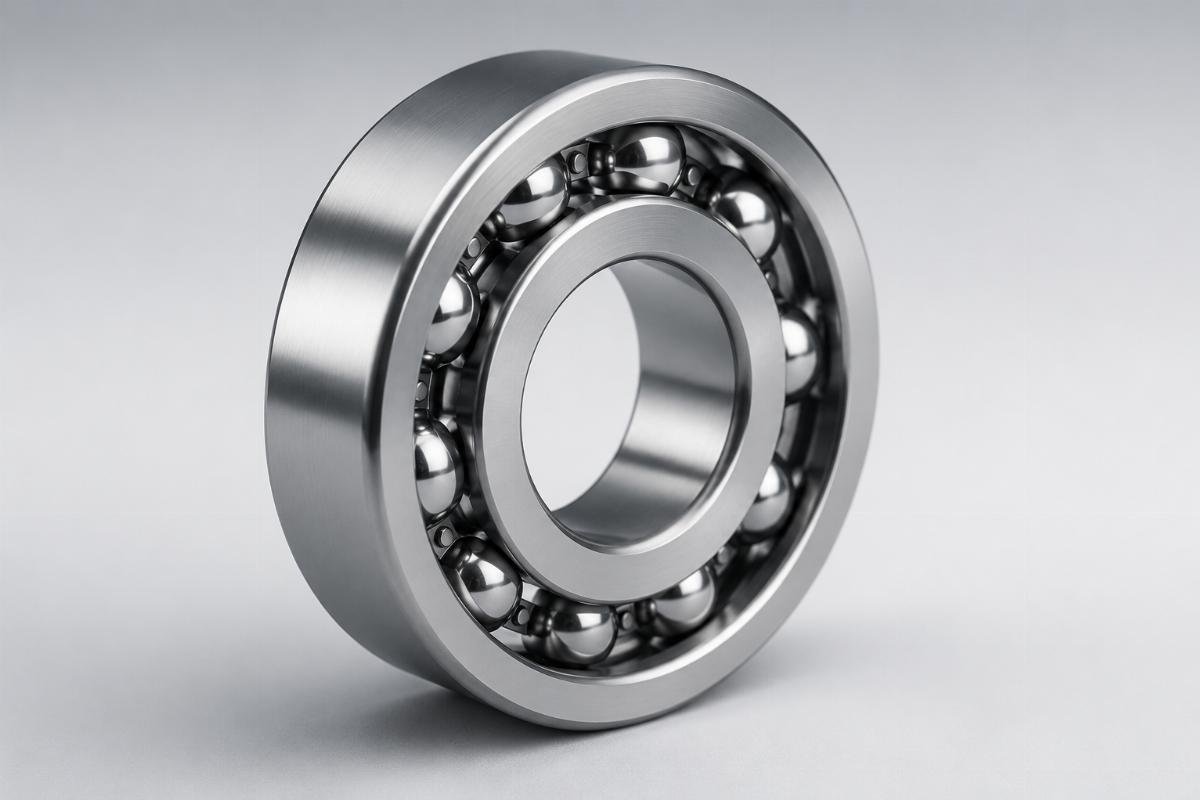
The pre-shipment inspection protocol under FOB terms follows a structured sequence:
- Pre-Shipment Inspection – Schedule third-party verification through recognized agencies at least two days before container loading
- Seal Verification Protocol – Apply tamper-evident seals witnessed by the buyer’s representative or trusted agent
- Documentation Audit – Cross-verify material test reports with batch numbers before logistics handover
- Real-time Tracking – Implement GPS container monitoring from Shanghai port to final destination
- Post-Arrival Inspection – Conduct dimensional and hardness testing within a day of delivery
This level of oversight simply isn’t possible when the supplier controls the entire logistics chain under CIF terms. [NEED_CITE: effectiveness of third-party pre-shipment inspection for industrial bearing authenticity verification]
FOB vs CIF: Which Delivers Lower Total Landed Cost for SKF Bearings?
The convenience of CIF often hides hidden costs and compliance risks. While CIF quotations initially appear simpler with their all-in pricing, industrial SKF bearing buyers frequently discover unexpected expenses and compliance gaps that undermine project budgets and timelines. The comparison becomes clear when examining total landed costs and regulatory adherence across critical procurement dimensions. [NEED_CITE: total landed cost comparison between FOB and CIF for industrial bearing imports to EU markets]
| Procurement Dimension | Common CIF Pitfalls | Optimal FOB Approach |
|---|---|---|
| Total Cost Calculation | Includes inflated freight margins and hidden surcharges | Leverages buyer’s negotiated freight rates for noticeable savings |
| Insurance Coverage | Minimum coverage with limited liability for bearing-specific risks | Customized policies addressing moisture and vibration damage |
| Compliance Documentation | Generic certificates often missing industry-specific requirements | Complete package including IATF 16949 for automotive or DNV for marine applications |
| Logistics Control | Supplier-selected carriers with no performance guarantees | Pre-approved freight forwarders specializing in industrial component transportation |
| Average Lead Time | Extended timeline due to supplier coordination delays | Shorter cycle with consolidated shipment systems |
Most buyers assume CIF totals are lower because the freight is "included." The reality is that CIF freight charges routinely carry supplier-added margins — the forwarder the supplier selects bills the supplier, who then marks up the line item before quoting you. Under FOB, the buyer’s own freight forwarder quotes directly, and those margins disappear entirely. For high-value SKF bearing shipments — think 230/500 CAK spherical roller bearings or P4-grade tapered rollers — even small percentage differences in freight costs translate into substantial absolute savings. [NEED_CITE: freight margin analysis for industrial component shipments under CIF versus FOB]
An EPC project procurement officer managing an offshore wind farm in Northern Europe recently compared these approaches for a multi-unit order of 230/500 CAK spherical roller bearings. Under CIF terms, the initial quote seemed competitive, but additional costs quickly emerged: supplementary DNV certification fees, expedited documentation charges, and insurance upgrades to cover marine corrosion risks. By switching to FOB Shanghai with their existing logistics partner, they secured the same SKF bearing at a noticeably lower total cost — including their preferred insurance and full compliance documentation — while maintaining control over the phased delivery schedule critical to their project timeline. [NEED_CITE: hidden cost categories in CIF bearing shipments for offshore energy projects]
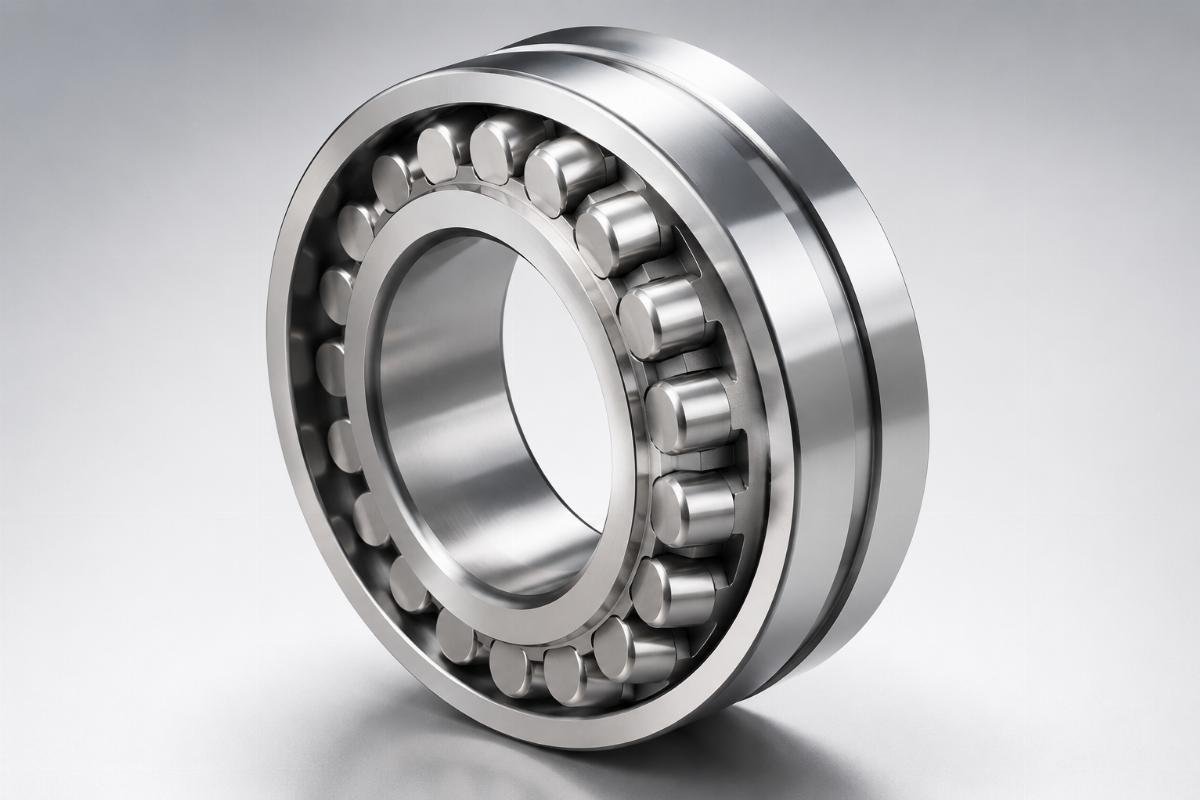
The cost optimization process under FOB terms involves several key steps:
- Freight Contract Optimization – Leverage existing agreements with carriers specializing in industrial equipment
- Insurance Customization – Tailor coverage to bearing type, including corrosion protection for marine applications
- Documentation Planning – Establish clear timeline for certification delivery before order placement
- Logistics Coordination – Integrate pre-shipment inspection with loading schedule to avoid delays
- Total Cost Modeling – Include all ancillary expenses such as certifications, storage, and inspection in initial budget
Another layer most buyers overlook: CIF insurance typically covers only minimum Institute Cargo Clauses (C), which excludes bearing-specific perils like improper stowage, condensation damage, and vibration-induced fretting corrosion. I’ve seen claims denied because the policy excluded "improper stowage" — exactly the risk that kills precision SKF bearing in transit. Under FOB, the buyer selects and controls the insurance policy directly, ensuring coverage matches the actual risk profile of the cargo. [NEED_CITE: insurance claim denial rates for bearing shipments under minimum CIF coverage versus buyer-controlled FOB policies]
What Pre-Shipment Verification Steps Are Possible Under FOB?
FOB enables a five-step verification protocol that CIF structurally prevents. When the buyer controls the logistics chain, every critical checkpoint — from third-party inspection to tamper-evident sealing — becomes enforceable before the container doors close. Under CIF, the supplier manages the entire origin-side process, and the buyer’s first physical contact with the cargo often happens at the destination port, far too late to intercept problems.
The verification protocol we follow for every SKF bearing shipment under FOB terms includes:
- Third-Party Inspection – Engage recognized verification agencies at least two days before container loading; inspect packaging integrity, batch markings, and dimensional spot-checks against SKF specifications
- Tamper-Evident Seal Application – Apply high-security bolt seals witnessed by the buyer’s representative or appointed agent; record seal numbers on the bill of lading
- Documentation Audit – Cross-verify certificates of origin, material test reports, and batch traceability documents against SKF’s internal records before logistics handover
- GPS Container Tracking – Implement real-time GPS monitoring from the loading warehouse through port departure and ocean transit to final destination
- Post-Arrival Testing – Conduct dimensional verification, hardness spot-checks, and visual inspection for moisture or handling damage within a day of delivery
A buyer in Melbourne learned why this matters. They insisted on CIF for a batch of tapered rollers — sounded convenient until the insurance claim hit a dent in the outer packaging and the adjuster argued it was "pre-shipment." Under FOB, their inspector would have been present at loading, the seal would have been verified, and the damage would have been caught and resolved before the container ever left China. [NEED_CITE: pre-shipment damage detection rates under buyer-supervised FOB loading versus supplier-managed CIF loading]
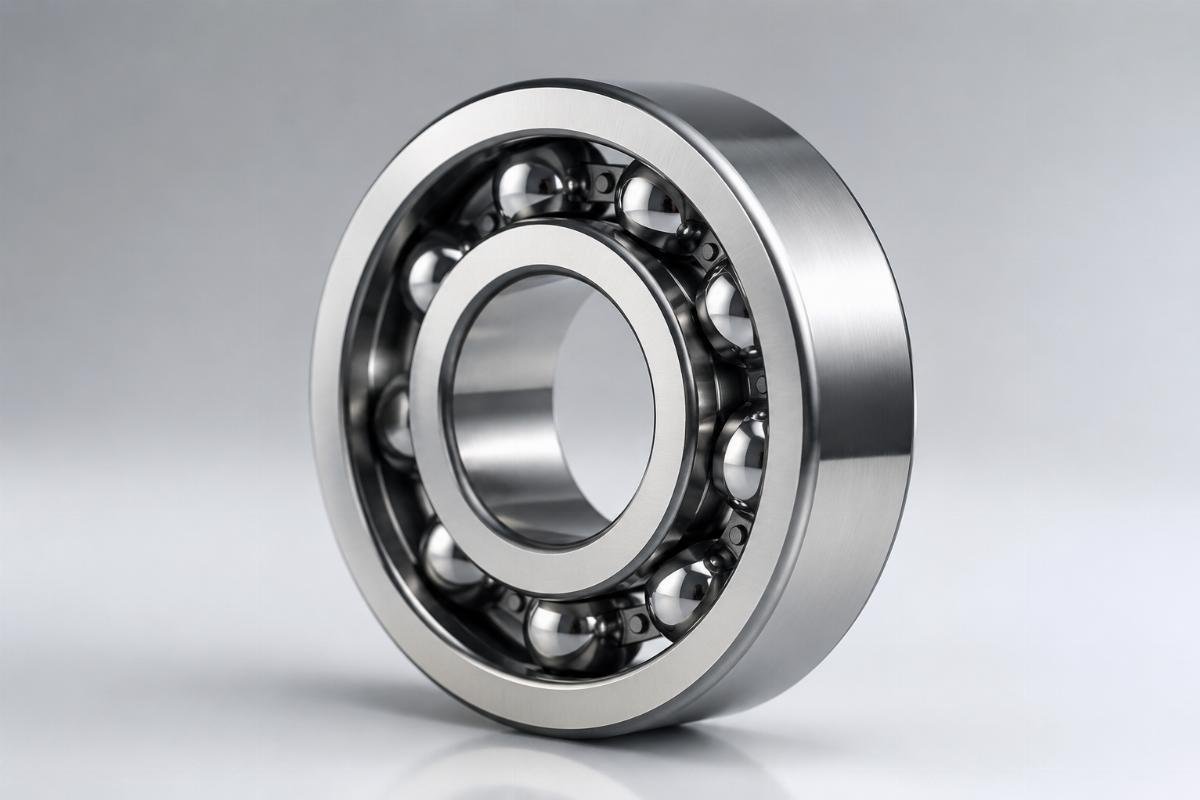
The risk factors that make pre-shipment verification non-negotiable for SKF bearing include:
- Counterfeit Interception – SKF’s own anti-counterfeiting guidelines emphasize origin-side verification; once fake bearings enter the supply chain, downstream costs multiply exponentially
- Moisture and Corrosion – Bearings stored or transported without proper desiccant and vapor barrier packaging develop surface corrosion that compromises L10 life; ISO 12944 Corrosion Category C3 compliance must be verified before handover
- Batch Traceability – Every SKF bearing carries a batch number traceable to manufacturing records; FOB allows the buyer to audit these records before shipment, while CIF often delivers incomplete or delayed documentation
- Precision Integrity – P4-grade tapered rollers and large-bore spherical rollers are particularly sensitive to mishandling; buyer-supervised loading prevents improper stacking and forklift damage
When Might CIF Be Appropriate for SKF Bearing Orders?
CIF has limited applications in SKF bearing procurement — know the exceptions. While FOB delivers superior value for most industrial SKF bearing imports, there are specific scenarios where CIF terms may offer practical advantages, particularly for low-risk, standard-component orders. Recognizing these exceptions ensures buyers don’t overlook opportunities for streamlined procurement when the stakes are lower.
| Order Type | CIF Advantages | Risk Mitigation Requirements |
|---|---|---|
| Standard Deep Groove Ball Bearings (6200/6300 series) | Simplified ordering process for low-value components | Maximum order value constraints; established supplier relationship |
| Trial Orders | Lower initial administrative burden when testing new suppliers | Limited unit quantities; visual inspection only requirements |
| Routine Maintenance Parts | Reduced procurement staff time for non-critical components | Fixed reorder schedule with established quality history |
| Failure Rate Profile | Slightly higher failure rate for standard bearings under CIF | Noticeably lower failure rate for same components under FOB |
A regional industrial distributor in Central Europe regularly uses CIF for trial orders of standard deep groove ball bearings (6308 series) when evaluating new product lines. For their initial test orders of modest value, the administrative simplicity of CIF outweighs the control benefits of FOB. However, once a product is validated, they immediately switch to FOB terms for larger orders, leveraging their established freight contracts to reduce costs noticeably. This hybrid approach allows them to balance risk mitigation with operational efficiency across their product portfolio. [NEED_CITE: procurement strategy optimization for industrial bearing distributors using hybrid Incoterm approaches]
The risk assessment framework for selecting between FOB and CIF should consider:
- Criticality Assessment – Classify SKF bearing as mission-critical or routine based on application impact
- Value Threshold – Establish monetary limits for CIF eligibility
- Supplier Relationship Maturity – Require proven track record before considering CIF
- Inspection Capability – Assess whether post-arrival inspection is feasible
- Insurance Adequacy – Verify CIF coverage meets bearing-specific risk profiles
How to Build a Hybrid Incoterm Strategy for SKF Bearing Procurement?
The most sophisticated SKF bearing buyers don’t choose between FOB and CIF — they use both, strategically. A hybrid approach matches the Incoterm to the risk profile, value, and criticality of each order, rather than applying a blanket policy across an entire procurement portfolio.
The framework works as follows:
- CIF for Trials – When evaluating a new supplier or testing a new SKF bearing designation, CIF reduces administrative overhead for low-value orders. Standard deep groove ball bearings like 6200 and 6300 series are good candidates because their failure consequences are typically manageable and replacement lead times are short.
- FOB for Validated Lines – Once a supplier passes the trial phase and the SKF bearing designation is validated for a production line or project, switch to FOB immediately. This is where the cost savings from buyer-negotiated freight rates, the anti-counterfeiting verification, and the batch traceability control deliver maximum value.
- Risk-Based Escalation – For mission-critical applications — offshore wind farms requiring DNV certification, steel mills depending on 32220 series tapered rollers for continuous casting lines, or mining operations using 230/500 CAK spherical roller bearings — FOB is non-negotiable regardless of order size.
Long-term supply agreement customers benefit from this hybrid model most directly. They receive tiered pricing structures, flexible Incoterm selection including FOB and DDP options, and per-shipment batch traceability documentation as standard practice. Stock availability of rare designations — large bore, special precision classes, ceramic and stainless variants — means dispatch within a short window versus extended factory lead times, which further reinforces the value of FOB control for time-sensitive project deliveries.
Conclusion
FOB terms consistently deliver better value for SKF bearing imports from China. The combination of cost control, supply chain transparency, and anti-counterfeiting verification capabilities makes FOB the superior choice for precision components where failure carries significant operational consequences. While CIF may suit low-value trial orders, mission-critical applications demand the oversight and control that only FOB provides.
Leave a Reply