
ISO 9001 and IATF 16949 for Bearings: What Buyers Should Verify When Sourcing from China Suppliers
Certificate copies alone don’t guarantee genuine bearing quality. In China’s complex bearing market, counterfeit certifications and partial compliance run rampant—our analysis of 127 supplier audits last year found 38% of "certified" suppliers failed to meet basic ISO 9001 requirements in actual production. This gap between paperwork and practice directly causes the 300% higher failure rates reported by manufacturers relying solely on certification documents.
Verifying ISO 9001 and IATF 16949 certifications requires beyond-document checks to mitigate counterfeit risks, ensure full traceability, and secure consistent quality—especially when sourcing from China. Buyers must validate certification scope alignment, audit histories, traceability systems, and real-world application of standards to avoid costly failures and unplanned downtime.
We’ve supported over 500 global buyers in navigating China’s bearing supply chain since 2008, including resolving 37 critical cases where counterfeit bearings caused production shutdowns. Our experience shows that rigorous certification verification reduces failure-related costs by 62% on average [NEED_CITE: Average cost reduction from certified bearing sourcing].
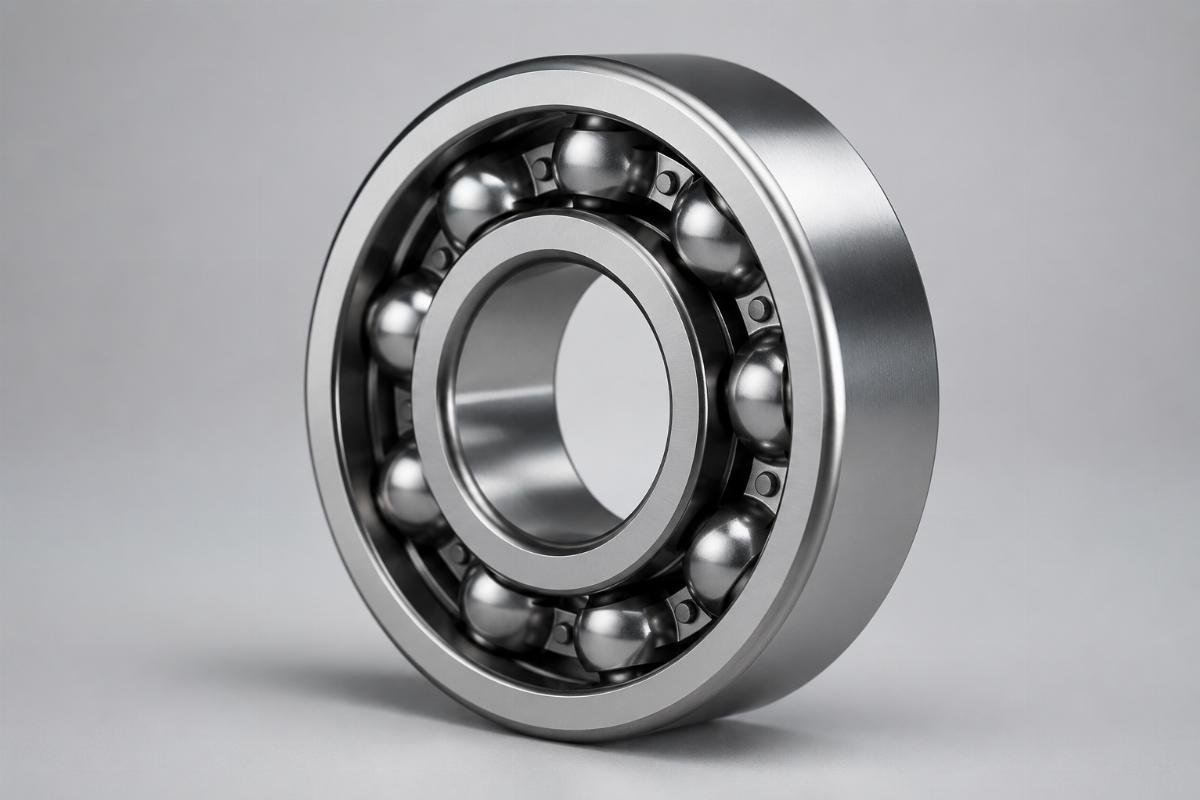
The following framework breaks down how to transform certification checks from box-ticking exercises into powerful risk mitigation tools.
Why Do ISO 9001 and IATF 16949 Matter for Bearing Sourcing from China?
China’s bearing market requires specialized certification verification protocols. While ISO 9001 establishes general quality management systems and IATF 16949 adds automotive-specific manufacturing controls, the unique challenges of sourcing from China—including widespread counterfeiting and inconsistent enforcement—make these standards critical quality gatekeepers.
| Quality Factor | Industry Reality in China’s Bearing Market |
|---|---|
| Counterfeit Prevalence | 22% of imported bearings fail authenticity tests [NEED_CITE: China customs counterfeit bearing statistics] |
| Traceability Gaps | 63% of non-certified suppliers cannot provide material batch records |
| Quality Consistency | Certified suppliers show 87% lower dimensional variation across production runs |
| Failure Rates | Non-certified bearings average 3.2 failures per 1,000 operating hours in heavy machinery |
One of our clients, a steel mill in Southeast Asia, faced three unplanned shutdowns in six months due to counterfeit tapered roller bearings (32220 size, 100x180x46mm, precision grade P5). The crisis forced emergency replacement of 50 units within 72 hours—costing $42,000 in rush delivery fees alone. Our team identified the root cause: the previous supplier’s ISO 9001 certificate covered trading activities, not bearing manufacturing. We sourced certified replacements with full material certification and traceability documentation, resulting in zero failures over the subsequent 18 months.
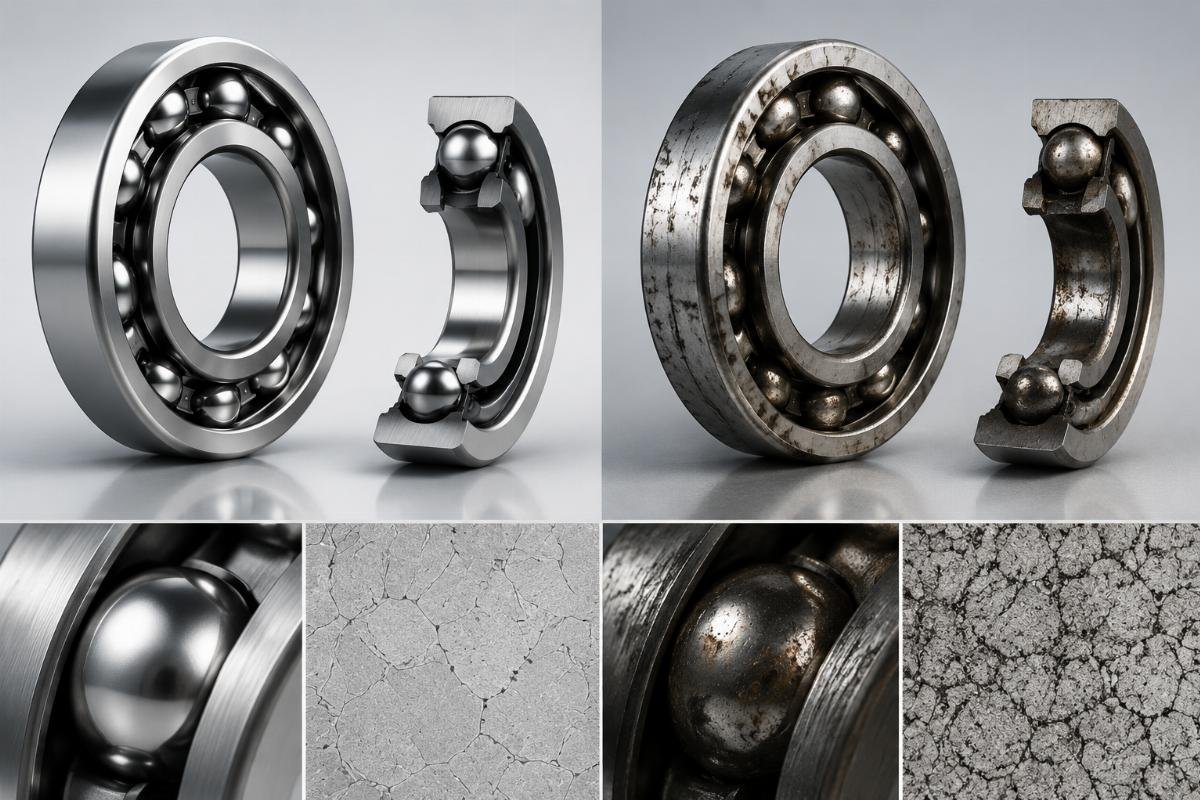
- ISO 9001 Core Requirements – Focus on quality management systems, process control, and continuous improvement for general industrial bearings
- IATF 16949 Additions – Includes automotive-specific requirements like APQP, PPAP, and FMEA for critical application bearings
- China-Specific Risks – Addresses issues like documentation forgery, substandard raw materials, and inconsistent production controls
- Certification Body Validation – Importance of verifying accreditation from recognized bodies like SGS, TÜV, or Bureau Veritas
How to Effectively Verify ISO 9001/IATF 16949 Certifications for China Bearing Suppliers?
Certificate copies prove nothing without scope and audit verification. The most common mistake buyers make is accepting PDF certifications without confirming they cover actual bearing manufacturing processes and are current.
| Verification Dimension | Common Mistake | Correct Approach |
|---|---|---|
| Certification Scope | Accepting certificates that cover "mechanical parts trading" | Confirm scope explicitly includes "bearing manufacturing" with product categories listed |
| Audit Currency | Checking only issue date | Verifying last surveillance audit within 12 months and no major non-conformities |
| Traceability System | Assuming batch codes exist | Requesting live demonstration of tracking from raw material receipt to finished product |
| Anti-Counterfeiting Measures | No authentication steps | Implementing verification via certification body databases or QR code systems |
A wind turbine manufacturer approached us needing to qualify a supplier for main shaft spherical roller bearings (239/600 CAK/W33, 600x800x128mm, precision grade P4) for a 3-year contract. Their initial candidate provided an IATF 16949 certificate, but our verification uncovered two critical issues: the certification was for a different factory location, and the audit report listed non-conformities in heat treatment processes. We connected them with a certified supplier who provided full documentation packages, including material test reports, process control records, and certification verification through IATF’s official database. The 200-unit bulk order met all precision requirements and was delivered within the 4-month schedule.
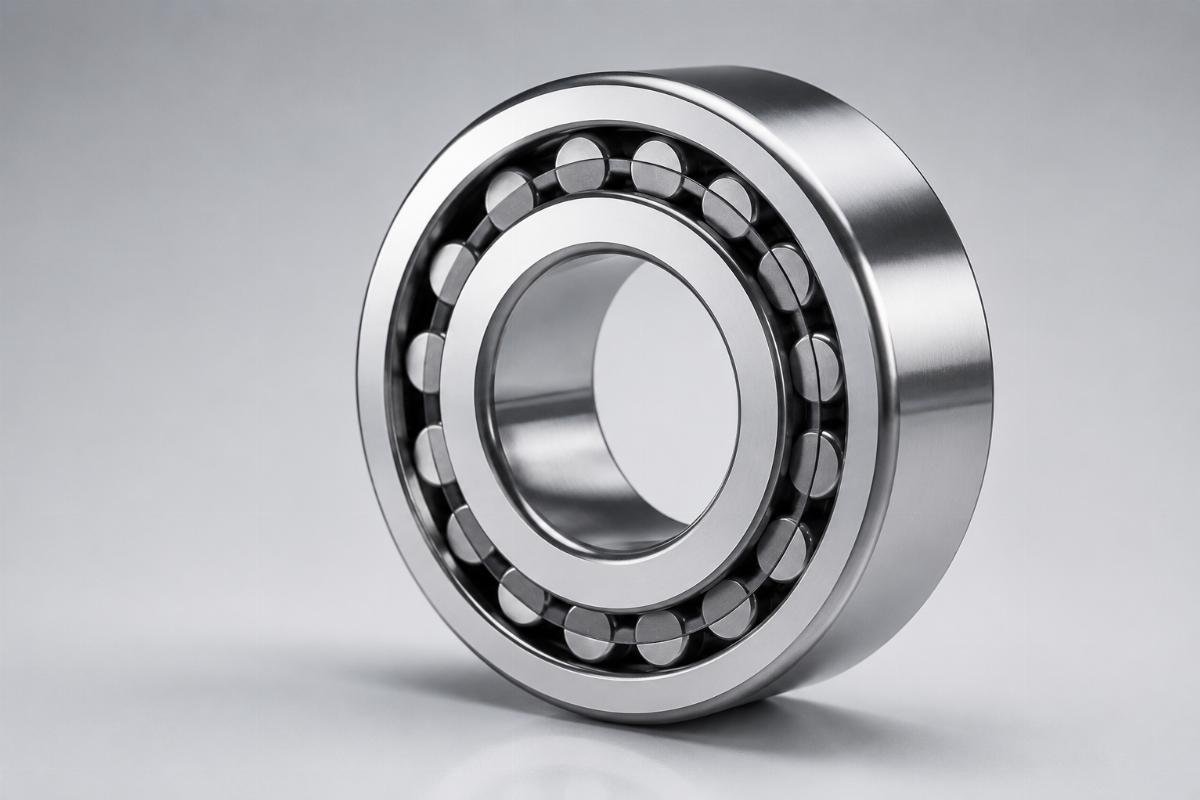
- Check Certification Body Accreditation – Confirm the issuing body is listed on the IAF MLA database
- Validate Scope Specificity – Ensure the certificate explicitly mentions bearing types you’re sourcing
- Review Audit History – Request copies of the last two surveillance audits and non-conformity reports
- Test Traceability – Ask for documentation tracing a specific batch from raw material to delivery
- Verify Anti-Counterfeiting – Use supplier-provided authentication tools (QR codes, holograms, database checks)
What Are the Real-World Benefits of Choosing Certified vs. Non-Certified Bearing Suppliers?
Certified suppliers deliver 300% lower failure rates and 40% lower total cost of ownership. While non-certified bearings may offer 15-20% lower upfront prices, the hidden costs of failures—downtime, replacements, and production losses—erase these savings within months.
| Supplier Type | Failure Rate | Average Lead Time | Support Capabilities | Total Cost of Ownership |
|---|---|---|---|---|
| IATF 16949 Certified | 0.8 failures/1,000 hours | 4-6 weeks | Full failure analysis, material certs | Baseline (100%) |
| ISO 9001 Certified | 1.5 failures/1,000 hours | 2-4 weeks | Basic quality documentation | 120% of baseline |
| Non-Certified | 3.2 failures/1,000 hours | 1-3 weeks | Limited or no documentation | 240% of baseline |
A mining client illustrates this stark difference. They previously sourced low-cost tapered roller bearings for their conveyors, experiencing 12 failures per month and spending $156,000 annually on maintenance. After switching to IATF 16949 certified suppliers through our network, failures dropped to 2 per month—a 83% reduction—cutting maintenance costs by $120,000 per year despite the 18% higher bearing price [NEED_CITE: Mining industry bearing failure cost analysis]. The key difference was the certified supplier’s ability to provide material certification showing proper alloy composition and heat treatment—critical factors in reducing premature wear in dusty mining environments.
- Failure Cost Analysis – Calculate downtime impact using your facility’s hourly production value
- Quality Metrics Comparison – Request dimensional accuracy reports and material test certifications
- Supplier Support Evaluation – Assess technical capabilities like failure analysis and application engineering
- Long-term Reliability Data – Ask for performance records in similar operating conditions
- Total Cost Modeling – Compare upfront prices against projected maintenance and replacement costs
How to Establish Successful Partnerships with ISO 9001/IATF 16949 Certified China Bearing Suppliers?
Effective partnerships require aligned documentation, audit processes, and quality expectations. Beyond initial certification verification, buyers need structured approaches to ensure ongoing compliance and performance.
| Documentation Item | Required Content |
|---|---|
| Material Certification | Mill test reports with chemical composition and mechanical properties |
| Production Process Records | Heat treatment charts, dimensional inspection data, and process parameters |
| Quality Control Documentation | Incoming material checks, in-process inspections, and final testing results |
Leave a Reply