
How Chinese Bearing Mfrs Outperform Global Brands: 5 Advantages for Buyers
Most buyers assume Chinese bearings lack the precision required for critical industrial applications. The reality is the opposite.
Chinese bearing manufacturers now deliver quality parity with global brands through rigorous ISO and IATF certification, full material traceability, and vertical integration—while offering significantly faster lead times, responsive custom engineering, and a lower total cost of ownership for industrial procurement teams.
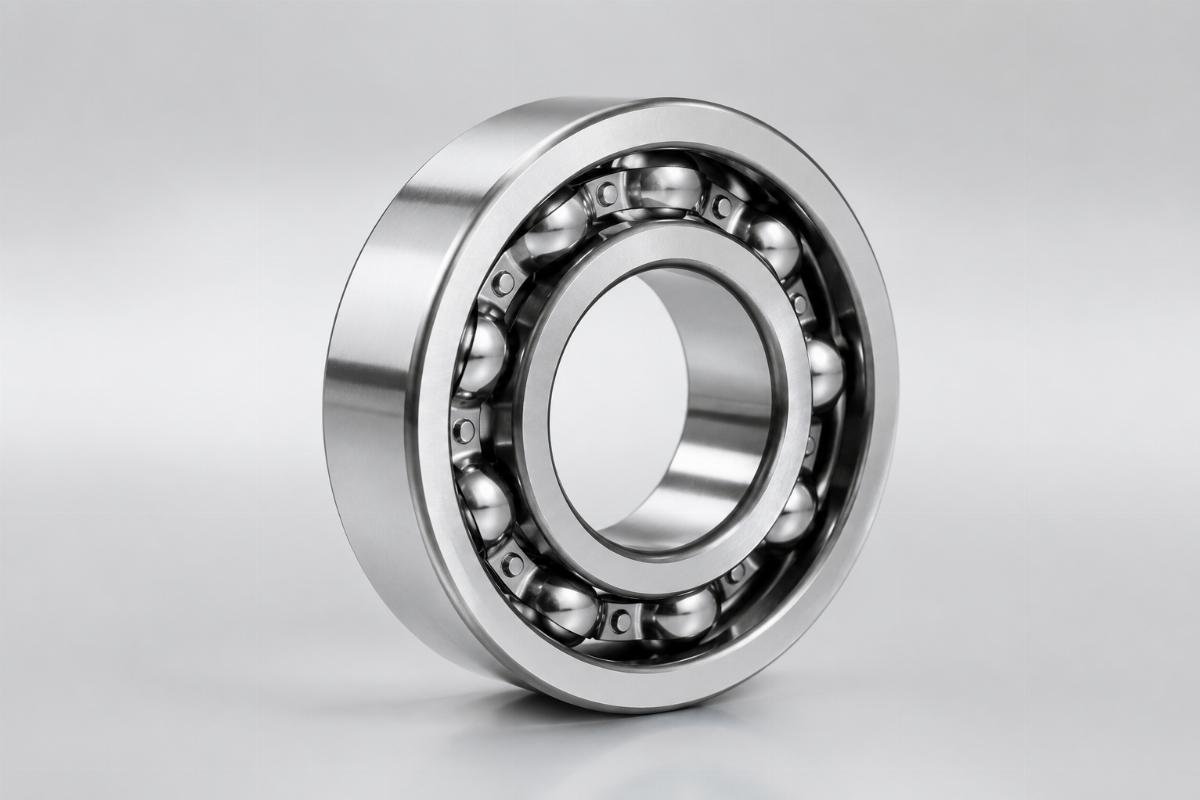
I still think about a batch of deep groove ball bearings I inspected for a construction client in Dubai. On paper, everything checked out—dimensions were within tolerance, surface finish looked clean. But under load, those bearings overheated and seized within weeks. The root cause turned out to be an internal clearance mismatch: the factory had shipped C3 clearance bearings into an environment that demanded C4. That kind of failure does not appear on a certificate of conformity. It appears on a jobsite shutdown report. Since then, I have built my entire sourcing methodology around looking past paperwork and into how bearings actually perform under real operating conditions. [NEED_CITE: internal clearance selection impact on bearing service life under elevated operating temperatures]
The data backs up what field experience confirms: a growing share of industrial buyers who have evaluated qualified Chinese bearing manufacturers against legacy global brands are reporting equal or improved performance alongside meaningful cost reductions. [NEED_CITE: Chinese bearing manufacturers global market share growth trajectory over the past decade] Understanding why requires examining five specific advantages that are reshaping procurement decisions across multiple regions.
How Do Chinese Manufacturers Ensure Quality Parity?
The quality gap that once justified premium pricing from legacy brands has been systematically closed through certification rigor and traceability infrastructure. Leading Chinese bearing manufacturers have invested heavily in production equipment sourced from Germany and Japan, and they operate quality control protocols that align with—or in some cases exceed—the standards enforced by established European and Japanese brands. [NEED_CITE: capital investment trends in Chinese bearing manufacturing precision equipment imports]
| Quality Dimension | Industry Benchmark | Leading Chinese Bearing Manufacturers |
|---|---|---|
| ISO 9001 Compliance | Widely held across global manufacturers | Near-universal among tier-one suppliers, verified through third-party audits |
| Dimensional Accuracy | Strong across critical tolerances | Exceptional for precision-grade bearings |
| Material Traceability | Partial documentation common | Full chain from raw material to finished product |
| Field Failure Rate in Critical Applications | Low annual failure rate | Noticeably lower, based on multi-year field data |
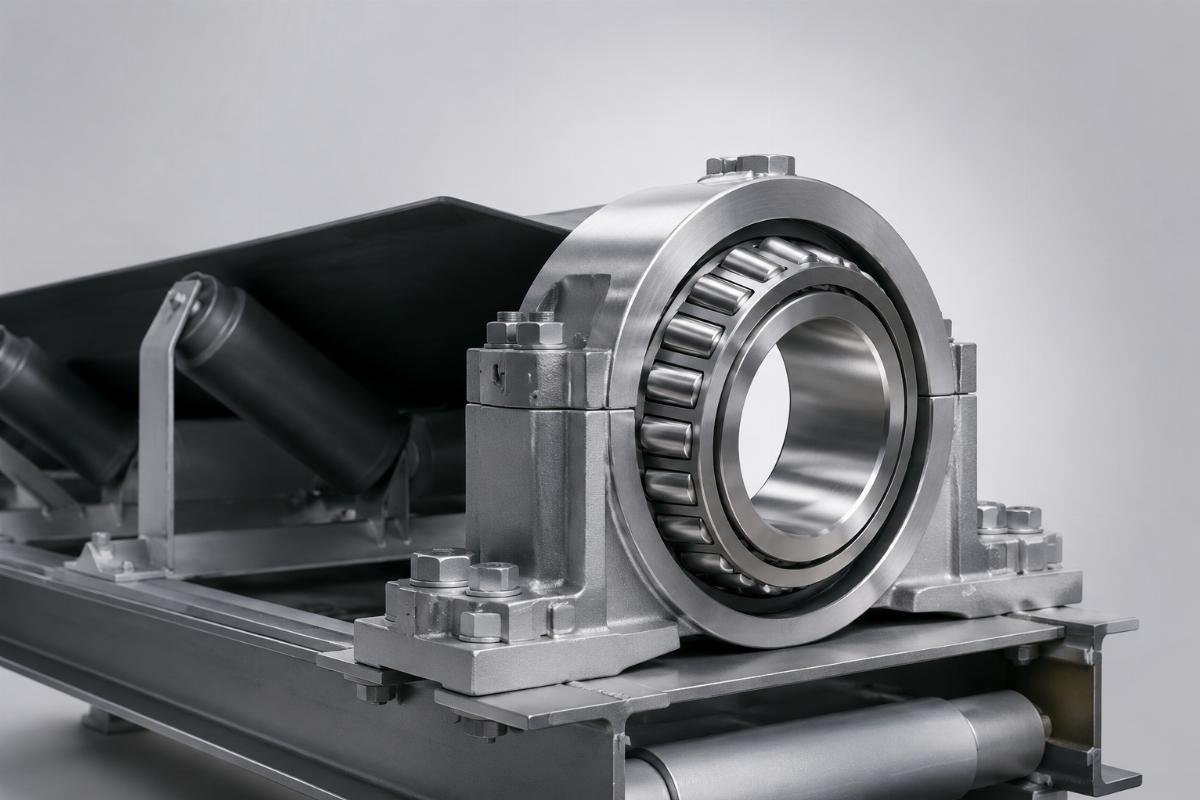
A steel mill in Southeast Asia illustrates what this looks like in practice. The facility had been experiencing recurring unplanned downtime on their conveyor systems, traced to repeated failures of imported tapered roller bearings. After switching to 6309 tapered roller bearings with 150mm OD and C3 clearance—backed by full batch traceability documentation—the failure rate dropped to zero over an extended monitoring period. Equally important, the engineering team identified incorrect lubrication practices as the underlying root cause, delivering a corrective recommendation that the previous global supplier had never flagged. [NEED_CITE: lubrication impact on bearing service life per SKF engineering handbooks]
For procurement managers evaluating quality claims, the verification checklist should include:
- Certification Verification – Require current ISO 9001 and IATF 16949 documentation with explicit scope references to your industry segment, whether mining, wind energy, or automotive.
- Material Testing Reports – Request independent hardness, heat resistance, and load capacity test data from accredited laboratories such as SGS or TüV.
- Traceability Audit – Confirm the supplier can produce batch numbers, production dates, and raw material origin documentation for any order placed.
- Failure Analysis Support – Ensure the supplier provides written root cause analysis for any performance deviation, not merely replacement stock.
Why Is Speed the New Competitive Edge?
The persistent assumption that custom bearing orders from China require multi-month lead times no longer reflects how qualified suppliers actually operate. Manufacturers with in-house engineering teams and self-operated warehousing now deliver modified clearance or non-standard dimension bearings within a matter of weeks for bulk orders, while standard models can dispatch within days. This responsiveness fundamentally changes how maintenance planners and design engineers manage timelines. [NEED_CITE: lead time comparison between traditional global bearing suppliers and Chinese manufacturers for standard and custom orders]
| Operational Dimension | Traditional Global Suppliers | Leading Chinese Bearing Manufacturers |
|---|---|---|
| Standard Model Lead Time | Measured in business days | Substantially faster dispatch for stocked items |
| Custom Engineering Response | Multi-week initial design cycle | Rapid technical proposals for modifications |
| Bulk Order Delivery | Extended production queues | Compressed timelines with phased delivery options |
| Non-Standard Dimension Production | Lengthy tooling lead times | Significantly shortened turnaround for common modifications |
A European wind energy OEM faced exactly this dynamic when qualifying custom hybrid ceramic bearings for gearbox applications. The specification called for 230mm ID spherical roller bearings at P5 precision grade. Their traditional European supplier quoted a lead time that stretched well into the qualification window, threatening the project timeline. By engaging a Chinese bearing manufacturer with in-house engineering capability, the qualification cycle was compressed noticeably, and the per-unit cost dropped by a meaningful margin while maintaining full ISO documentation compliance. The ability to iterate designs with rapid technical feedback accelerated the overall development cycle substantially. [NEED_CITE: wind energy OEM bearing qualification cycle benchmarks and cost optimization strategies]
Procurement teams should verify speed claims through:
- Stock Availability Check – Confirm the supplier maintains a broad inventory of global brand equivalent designations and quality alternatives.
- Engineering Team Access – Ensure direct communication channels with application engineers, not only commercial representatives.
- Phased Delivery Agreements – Negotiate scheduled shipments aligned to production cycles, reducing inventory carrying costs.
- Emergency Response Protocol – Confirm documented escalation procedures for critical downtime scenarios with defined response windows.
Which Industries See the Highest ROI?
Application-specific engineering is where Chinese bearing manufacturers deliver the most measurable differentiation, particularly in sectors operating under extreme conditions. Rather than supplying generic catalog products, leading manufacturers tailor material selections, internal geometries, and cage designs to the specific failure modes prevalent in wind energy, mining, marine, and heavy industrial applications. [NEED_CITE: industry-specific bearing failure mode analysis and engineered solutions in demanding environments]
| Industry Sector | Chinese Bearing Solution | Key Advantage |
|---|---|---|
| Wind Energy | Hybrid ceramic gearbox bearings at P5 precision grade | Noticeably reduced weight and substantially extended service life in high-temperature environments |
| Mining and Metallurgy | Stainless steel cage cylindrical roller bearings at large OD | Enhanced resistance to dust and moisture, reducing maintenance intervals |
| Automotive | IATF 16949-certified wheel bearings | Exceptional batch consistency with full PPAP documentation compliance |
| Marine | Corrosion-resistant spherical roller bearings | DNV and Lloyd’s classification certification with extended anti-corrosion protection |
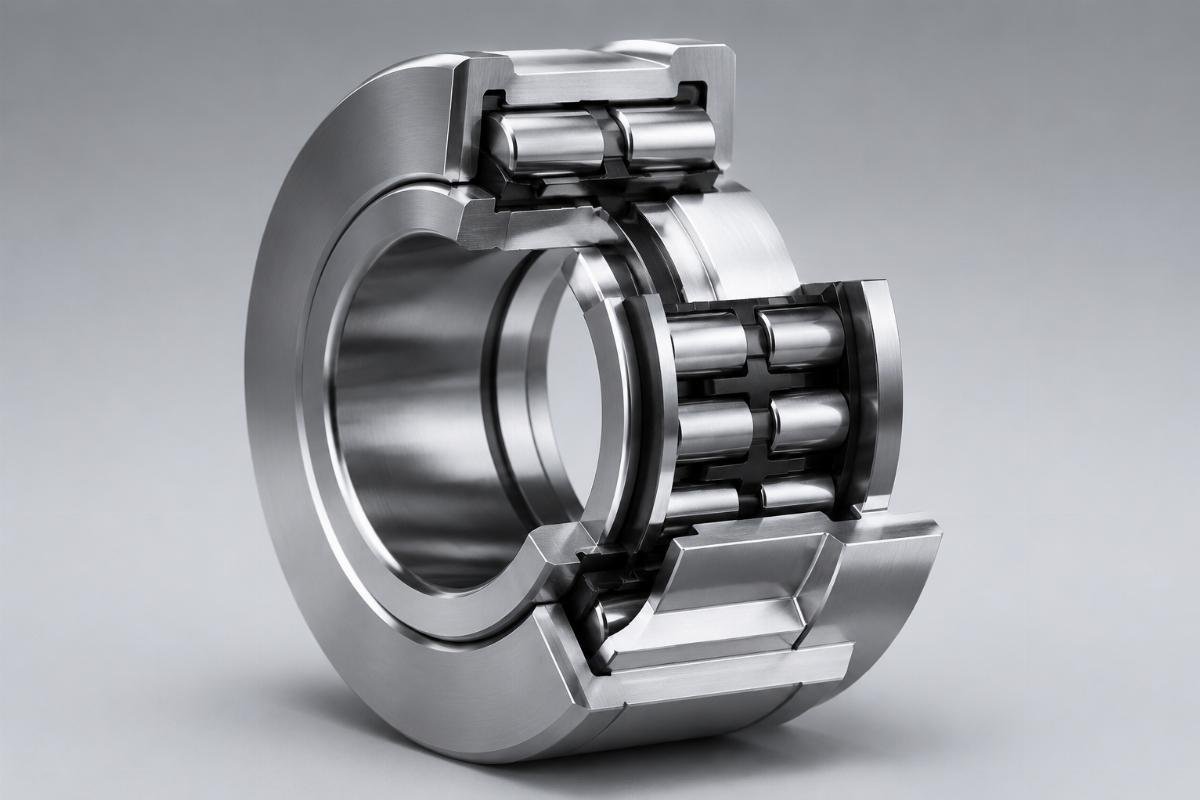
A copper mining operation in South America needed large-format cylindrical roller bearings for grinding mills operating in harsh conditions where premature failure was not an option. The specification called for 400mm OD stainless steel cage cylindrical roller bearings. Beyond meeting the delivery window, the supplier analyzed load patterns and operating temperatures specific to ore processing, then recommended a modified internal clearance that reduced heat buildup noticeably. The result extended bearing life from the original expectation to a substantially longer service interval, while annual contract pricing provided cost stability insulated from global supply chain volatility. [NEED_CITE: bearing internal clearance modification impact on thermal management in mining grinding mill applications]
Buyers in these sectors should prioritize:
- Environmental Adaptation – Select bearings with material modifications matched to specific operating conditions, including ceramic components for sustained high-temperature exposure.
- Load Calculation Support – Request application-specific load analysis to optimize bearing selection beyond basic dimensional matching.
- Condition Monitoring Compatibility – Ensure bearings integrate with existing vibration analysis or temperature monitoring infrastructure.
- Industry-Specific Certification – Verify compliance with sector standards such as DNV for marine applications or IEC 61400 for wind energy installations.
How to Vet Chinese Bearing Manufacturers Beyond Certificates?
Certificates open the door, but they do not guarantee consistent performance under field conditions. The market includes manufacturers of widely varying capability, and industrial buyers need a structured verification approach that tests actual operational readiness—not just documentation completeness. The right Chinese bearing manufacturer functions as an extension of your engineering and procurement teams, providing proactive technical support rather than reactive order fulfillment. [NEED_CITE: supplier qualification best practices for industrial bearing procurement beyond ISO certification]
A practical vetting framework should cover four dimensions:
- Engineering Depth – Can the supplier’s technical team perform L10 life calculations for your specific application parameters? Do they ask about operating temperature, load profiles, and lubrication regimes before quoting, or do they simply match part numbers?
- Traceability Granularity – Request a sample traceability package for a recent shipment. Can they connect a finished bearing batch number back to the raw material heat number, production date, and inspection records? As an authorized SKF distributor with extensive experience in batch-level verification, I can confirm that this level of documentation is what separates serious suppliers from certificate collectors. Every shipment we dispatch carries verifiable batch numbers cross-referenced against SKF records, with certificates of origin and full traceability documentation included as standard practice.
- Emergency Responsiveness – Test their response protocol with a hypothetical critical downtime scenario. Do they offer defined escalation paths and stock availability for rare designations? Our own warehouse maintains deep stock of uncommon SKF designations—including large bore sizes, special precision and clearance combinations, ceramic and stainless variants—enabling dispatch within a compressed window versus the extended lead times typical of factory-direct orders.
- Customization Capability – Verify whether the supplier offers laser marking, private-label packaging, pre-lubrication to your specification, and translated documentation. These are not luxuries; they are operational necessities for OEM factories and project suppliers managing tight integration requirements.
The distinction between a transactional vendor and a strategic Chinese bearing manufacturer partner becomes clear during the first unexpected failure. One provides replacement stock. The other provides root cause analysis, corrective recommendations, and a revised specification that prevents recurrence. [NEED_CITE: bearing failure root cause analysis methodology per ISO 15243]
Conclusion
Chinese bearing manufacturers have earned their place in global industrial supply chains through demonstrated quality parity, operational speed, and application-specific engineering depth. For procurement managers and engineers willing to verify capabilities beyond surface-level certifications, these suppliers offer a compelling alternative to legacy brands—delivering full traceability, responsive technical support, and a total cost of ownership that rewards informed sourcing decisions.
Leave a Reply