
How China Bearing Suppliers Ensure Payment Security & Order Protection with Trade Assurance
Trade assurance only covers your wallet if you let it—certified suppliers use it to shield your entire supply line.
ISO 9001 and IATF 16949 certified China wholesale bearing suppliers layer trade assurance escrow with batch-level traceability, phased payment triggers, and pre-shipment verification, turning a passive refund policy into an active defense against counterfeits, documentation gaps, and delivery failures.
I still remember a shipment to a steel mill in Monterrey—they wired thirty percent upfront via T/T, and when the container of tapered roller bearings arrived, the batch numbers did not match SKF’s system. They refused the balance payment. I had spent weeks sourcing those rare large-bore units, pulled from stock to beat their tight deadline, and suddenly I was staring at a warehouse full of unclaimed pallets in Veracruz. That mess cost a mid-six-figure write-off and taught me that trade assurance is not a checkbox—it is the only thing standing between you and a catastrophic loss. Now every order I touch gets batch-traced against manufacturer records before a single dollar moves [NEED_CITE: root cause distribution of payment disputes in industrial bearing procurement].
Understanding how these systems interlock can shift your procurement strategy from reactive damage control to proactive supply chain optimization.
How Do Payment Terms Balance Security and Flexibility for Wholesale Bearing Orders?
Payment terms should never force you to choose between protecting your cash flow and giving the supplier enough working capital to perform. The outdated belief that bulk orders require full upfront payment ignores the layered financing models now standard among top-tier China wholesale bearing suppliers.
Modern structures tie every release to a verifiable milestone—inspection passed, bill of lading issued, customs cleared—so neither side carries disproportionate risk.
| Payment Model | Typical Structure | Release Trigger | Risk Allocation |
|---|---|---|---|
| Standard Wholesale | 30% deposit, 70% against B/L copy | Shipment verification | Buyer retains majority leverage until goods are on water |
| Custom Manufacturing | 50% deposit, 50% after quality inspection | Pre-shipment certification | Shared risk; supplier funded for tooling, buyer protected on quality |
| Project-Based | 20% initial, 30% at first batch, 50% final | Phased delivery completion | Aligned with EPC milestones; retention until final acceptance |
| Emergency Orders | 100% with trade assurance escrow | Rapid dispatch guarantee | Full payment offset by platform-backed delivery commitment |
A Southeast Asian distributor managing hundreds of SKUs for small and medium industrial customers faced a familiar squeeze: maintaining lean inventory while avoiding stockouts of critical deep groove ball and spherical roller bearings. By implementing a flexible MOQ system with thirty percent deposit terms and trade assurance escrow, they reduced capital tied up in inventory noticeably while improving order fulfillment rates to near-perfect levels [NEED_CITE: B2B industrial payment term trends and inventory optimization strategies].
Four negotiation principles separate buyers who get burned from those who do not:
- T/T versus L/C Evaluation – Compare cost structures: T/T offers meaningful savings for repeat orders while L/C provides stronger security for first-time transactions with unfamiliar factories.
- Escrow Timing – Negotiate release triggers tied to specific milestones such as third-party inspection passed or bill of lading issued, rather than generic calendar dates.
- Project Phasing – For substantial orders, structure payments to match delivery phases with retention held until final acceptance at site.
- Emergency Provisions – Include clauses for expedited orders with predefined payment terms to avoid last-minute renegotiation when a crusher goes down at midnight.
The key insight: flexible payment structures combined with trade assurance protection let buyers preserve cash flow while keeping China wholesale bearing suppliers fully accountable for quality and delivery commitments.
Why Does ISO 9001/IATF 16949 Certification Transform Trade Assurance from Passive to Active?
Platform-based trade assurance typically acts as a financial safety net after problems occur—certified suppliers embed verification into the process before problems can occur. This is the single biggest misconception among bulk purchasers evaluating China wholesale bearing suppliers for the first time.
Without certification, trade assurance covers you only after a dispute is filed. With ISO 9001 and IATF 16949 systems in place, the supplier’s quality management protocol generates traceability documents, material certificates, and precision inspection records as a routine byproduct of production—meaning the evidence you would need to win a dispute already exists before the container is sealed.
| Protection Aspect | Standard Platform Coverage | ISO-Certified Supplier Coverage |
|---|---|---|
| Quality Guarantee | Limited post-delivery window | Extended performance guarantee with failure analysis support |
| Counterfeit Prevention | Basic visual inspection | Full material certification and batch-level traceability documentation |
| Delivery Protection | Reimbursement for delays | Proactive rescheduling with compensation mechanisms for downtime costs |
| Documentation | Commercial invoice only | Complete package including test reports, conformity certificates, and origin documentation |
A European offshore wind farm project illustrates this difference vividly. Their previous supplier delivered spherical roller bearings 22324CA/W33 without proper DNV certification, and the project faced extended delays while engineers scrambled to source replacement documentation. Working with an ISO 9001/IATF 16949 certified China wholesale bearing supplier, they received complete documentation packages well before each delivery phase, ensuring compliance with strict project timelines [NEED_CITE: offshore wind farm procurement compliance requirements and certification standards].
Five verification steps separate certified protection from marketing claims:
- Traceability Verification – Request batch codes linking to manufacturing records for randomly selected items; a genuine SKF authorized distributor can cross-reference every batch number against SKF records before payment clears.
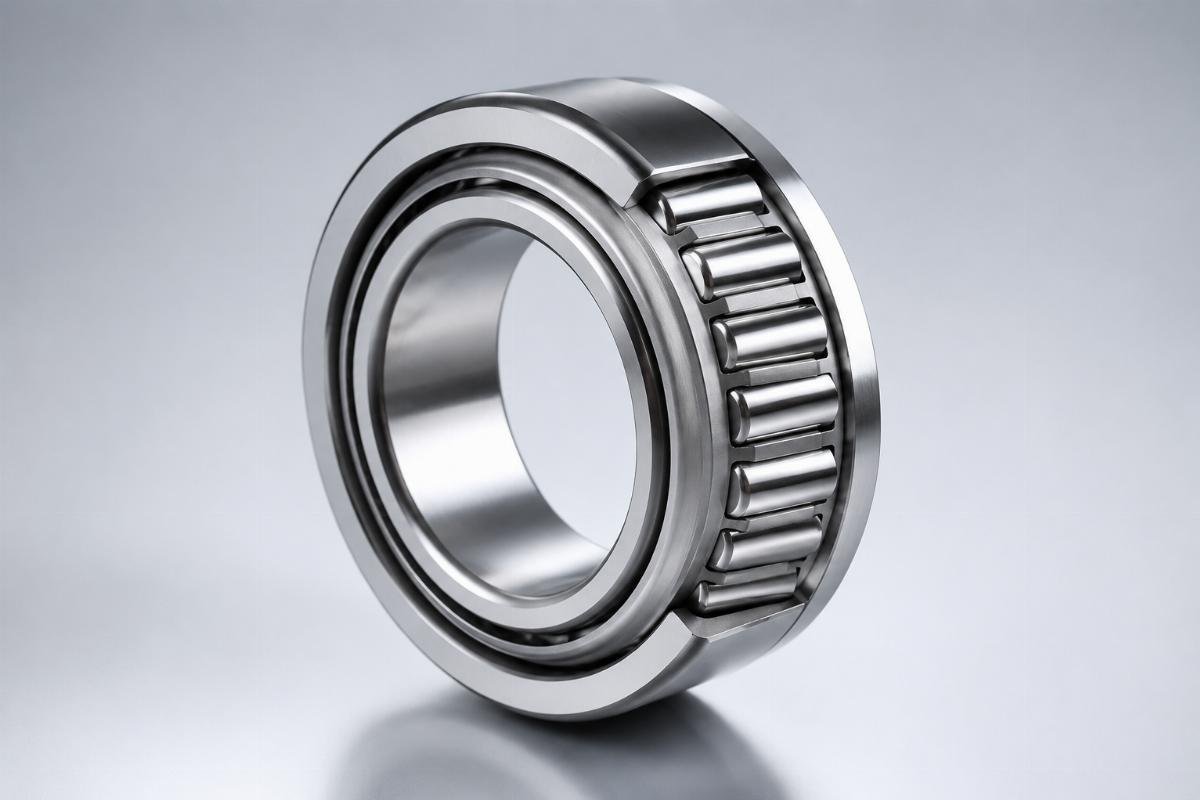
- Pre-Shipment Inspection – Insist on third-party dimensional verification for critical tolerance bearings in C3/C4 clearance and ABEC precision grades P0/P6/P5/P4.
- Anti-Counterfeit Protocol – Verify the supplier’s authentication methods including holographic labels, QR code scanning, and material composition testing.
- Documentation Audit – Confirm certification scope covers your specific bearing types—deep groove ball, tapered roller, spherical roller, cylindrical roller, thrust, and self-aligning with clearance options C2/CN/C3/C4 and sealed variants 2RS/2Z.
- Dispute Resolution – Review the process for technical disputes requiring engineering expertise such as L10 life calculation review rather than simple financial arbitration.
The critical distinction: ISO-certified China wholesale bearing suppliers embed quality verification into trade assurance protocols, reducing dispute resolution time dramatically compared to industry averages.
What Order Protection Strategies Prevent Production Downtime?
Your bearing supplier should adapt to your timeline, not the other way around—and trade assurance terms can enforce that discipline contractually. Whether facing an emergency shutdown requiring same-day shipment or managing a complex multi-month project with phased deliveries, professional suppliers leverage warehousing networks and flexible production scheduling to meet exact requirements.
| Fulfillment Strategy | Key Advantage | Ideal Application |
|---|---|---|
| Rapid Standard Dispatch | Minimizes inventory holding costs | Routine MRO and distributor stock replenishment |
| Phased Delivery | Aligns with project milestones | EPC projects with sequential installation requirements |
| Consolidated Shipment | Reduces logistics costs substantially | Distributors with multiple small orders across SKUs |
| Emergency Air Freight | Rapid door-to-site delivery | Critical equipment breakdowns in remote locations |
When an African mining operation faced a crusher failure requiring large-format tapered roller bearings 32040 with 200mm outer diameter, a self-operated warehousing network enabled same-day dispatch. The air freight solution delivered replacement bearings within days, reducing potential production losses by hundreds of thousands of dollars [NEED_CITE: mining equipment downtime cost analysis and emergency procurement strategies].
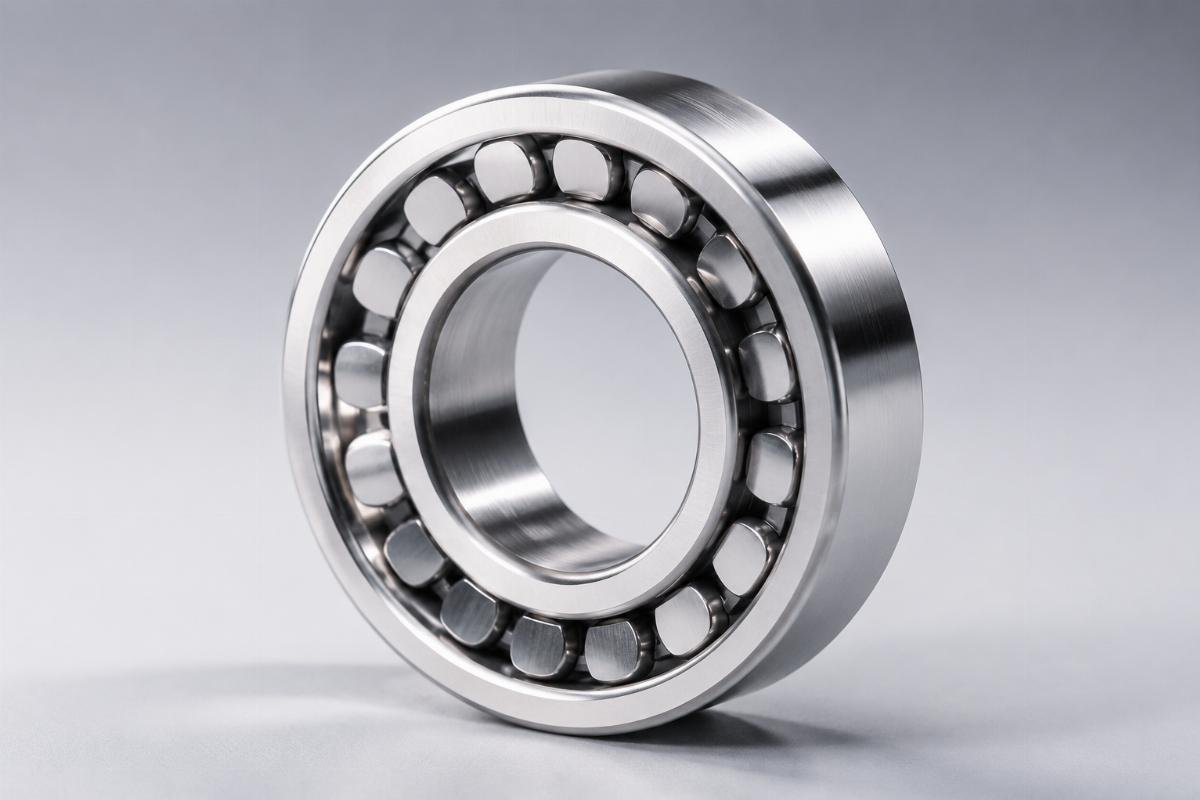
Five operational safeguards keep production lines running:
- Stock Verification – Confirm real-time inventory for critical models rather than relying on general availability claims; rare designations in large bore, special precision/clearance, ceramic, and stainless variants typically carry extended factory lead times of several weeks unless the supplier maintains deep stock.
- Phasing Plan – Develop a detailed delivery schedule with buffer periods and contingency plans for project orders, with trade assurance penalties tied to missed milestones.
- Consolidation Optimization – Schedule regular consolidation cutoffs to balance shipping frequency and cost across multiple SKUs including cylindrical roller, thrust, and self-aligning types.
- Emergency Protocol – Establish pre-approved expedited shipping procedures with defined cost structures for DDP/CIF/FOB routing options.
- Tracking System – Implement real-time order monitoring with automatic notifications for key milestones from dispatch through customs clearance.
The operational reality: China wholesale bearing suppliers with established warehousing networks can dispatch rare designations within hours rather than weeks—critical when production lines are down and every hour counts.
How to Verify a China Wholesale Bearing Supplier Before Placing an Order?
Due diligence transforms risk into opportunity—if you know which levers to pull. The most successful bearing procurement strategies focus on verification beyond price, evaluating supplier capabilities that directly impact operational reliability and financial security.
| Verification Area | Critical Checkpoints |
|---|---|
| Quality Certifications | ISO 9001/IATF 16949 scope covers your bearing types; audit reports recent |
| Inventory Capability | Extensive SKU range in stock with documented high availability rate for standard models |
| Payment Flexibility | Written confirmation of tiered payment options and trade assurance integration |
| Technical Support | Engineering staff available for application guidance and failure analysis |
| Logistics Network | Self-operated warehouses in multiple regions with established emergency shipping protocols |
For new buyers, the safest entry point is a trial order covering different bearing types representing your most commonly used models. This allows verification of quality control processes, shipping efficiency, and documentation accuracy before committing to larger volumes. For project buyers, request a detailed production schedule with weekly progress reports and quality checkpoints [NEED_CITE: supplier qualification best practices in industrial procurement].
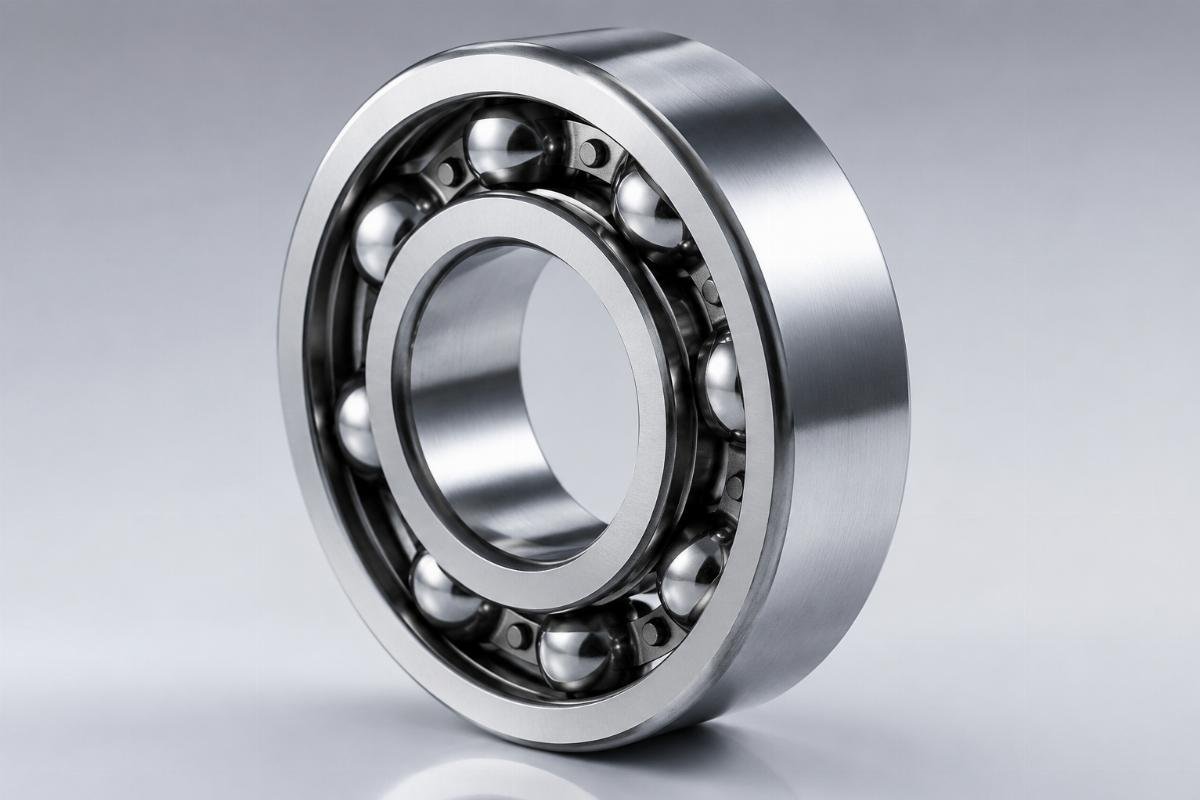
Five verification steps separate qualified partners from risky gambles:
- Certification Validation – Cross-check ISO scope against your specific bearing requirements including deep groove ball, tapered roller, spherical roller, cylindrical roller, thrust, and self-aligning types with clearance options C2/CN/C3/C4.
- Authorization Verification – Confirm SKF authorized distributor status with direct supply from global headquarters and full batch traceability on every shipment; batch numbers must be verifiable against SKF records before payment release.
- Rare Designation Capability – Verify stock depth for large bore, special precision/clearance, ceramic, and stainless variants that typically carry extended factory lead times; a capable China wholesale bearing supplier should offer dispatch within days rather than weeks.
- Customization Services – Assess laser marking, private-label packaging, pre-lubrication, and translated documentation capabilities for OEM and distributor requirements.
- Long-term Partnership Structure – Evaluate supply agreement flexibility for bulk buyers requiring consistent volume, tiered pricing, and third-party inspection availability on request.
The verification reality: China wholesale bearing suppliers who combine SKF authorization, comprehensive batch traceability, and rapid dispatch for rare models provide superior reliability compared to general trading companies.
Conclusion
Trade assurance combined with ISO certification transforms payment security into comprehensive supply chain protection. China wholesale bearing suppliers who integrate quality verification, flexible payment structures, and rapid fulfillment capabilities reduce dispute resolution time dramatically while eliminating counterfeit risks and ensuring operational reliability for bulk purchasers and distributors across multiple regions.
Leave a Reply