

China Bulk Bearing Supply Chain: 3 Pillars for Industrial Buyers
Most buyers assume cheap bulk bearings from China carry high counterfeit risk. The real culprit is the absence of a batch traceability system.
Building a stable bulk bearing supply chain in China rests on three non-negotiable pillars: full traceability that eliminates counterfeit exposure, global logistics capability that handles emergency dispatch, and application-specific technical support that prevents unplanned downtime. These pillars address what industrial buyers actually lose money on—not unit price, but the hidden costs of mixed-clearance shipments, missing material certificates, and bearings that fail long before rated L10 life.
I started on the shop floor assembling and inspecting bearings before moving into export sales. Years ago, a steel mill client in Brazil received a batch of spherical roller bearings with C3 clearance instead of the specified C4. Nobody caught it because the batch numbers were never cross-checked against the SKF registry before shipment. The line stopped for nine days. Since then, I verify every batch against factory records before it leaves the warehouse and include full traceability documentation with each container. That is how I know the difference between "in stock" and "actually ready to ship." [NEED_CITE: root cause distribution of bearing failures in emerging markets per industry association reports]
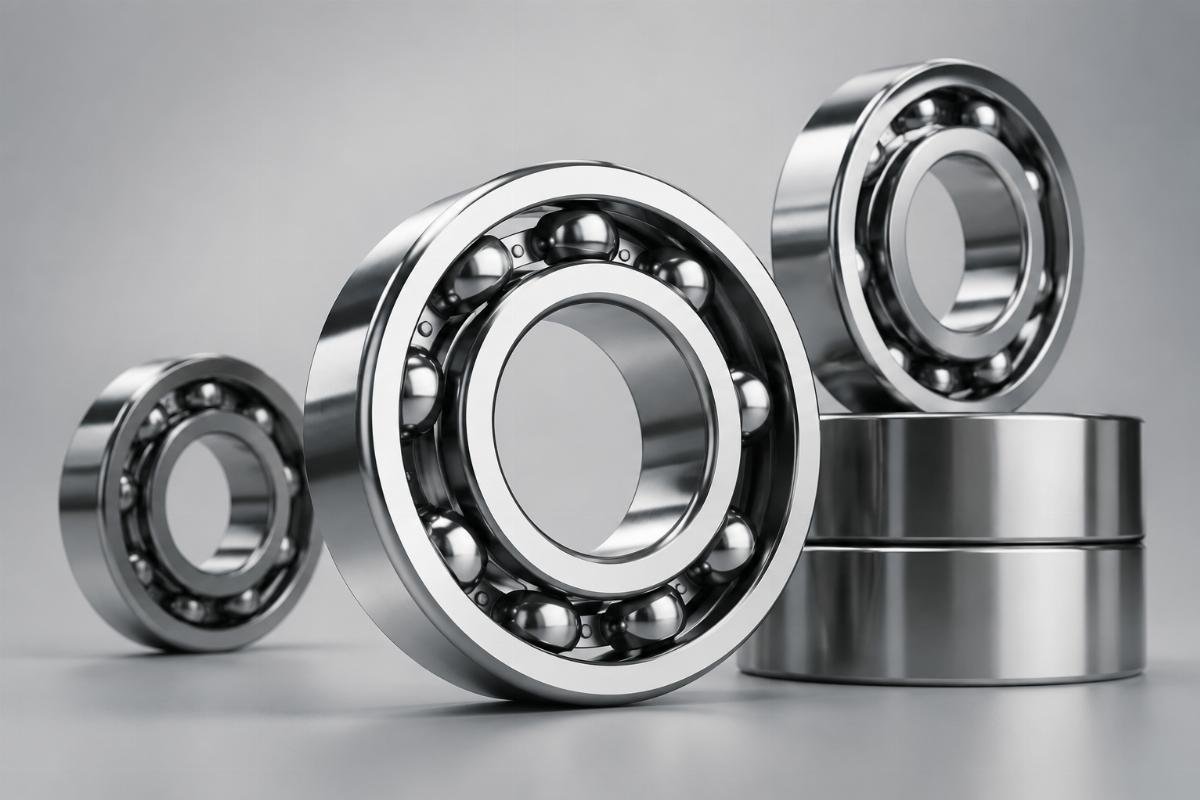
What follows is a structured breakdown of how to evaluate these capabilities and implement a bulk bearing supply chain in China that delivers consistent quality, reliability, and cost control.
Why Does Supply Chain Stability Matter for Bulk Bearing Procurement in China?
Unplanned downtime in heavy industry routinely exceeds a mid-five-figure hourly cost, making supply chain stability a financial imperative rather than an operational preference. China produces the majority of the world’s bearings, offering unmatched scale and variety for industrial buyers. Yet this concentration of manufacturing also concentrates risk: counterfeit products, inconsistent quality control, and logistics delays can derail production schedules across multiple regions.
| Operational Impact | Industry Reality |
|---|---|
| Cost of counterfeit bearing failures | Substantially elevated annual maintenance expenditure [NEED_CITE: industrial maintenance cost impact data from global maintenance association] |
| Lead time variability for bulk orders | Noticeably shorter dispatch from stocked suppliers versus extended factory lead times |
| Quality documentation compliance | A significant share of buyers report missing material certifications from China-based sources [NEED_CITE: global sourcing survey on documentation gaps] |
A mining operation in Australia experienced three conveyor bearing failures within half a year, each causing extended production halts. The maintenance team discovered counterfeit spherical roller bearings that lacked proper heat treatment. Switching to a supplier with ISO 9001 certification and full traceability documentation—including batch test reports and manufacturing source verification—eliminated failure recurrence and reduced annual downtime costs by a mid-six-figure amount.
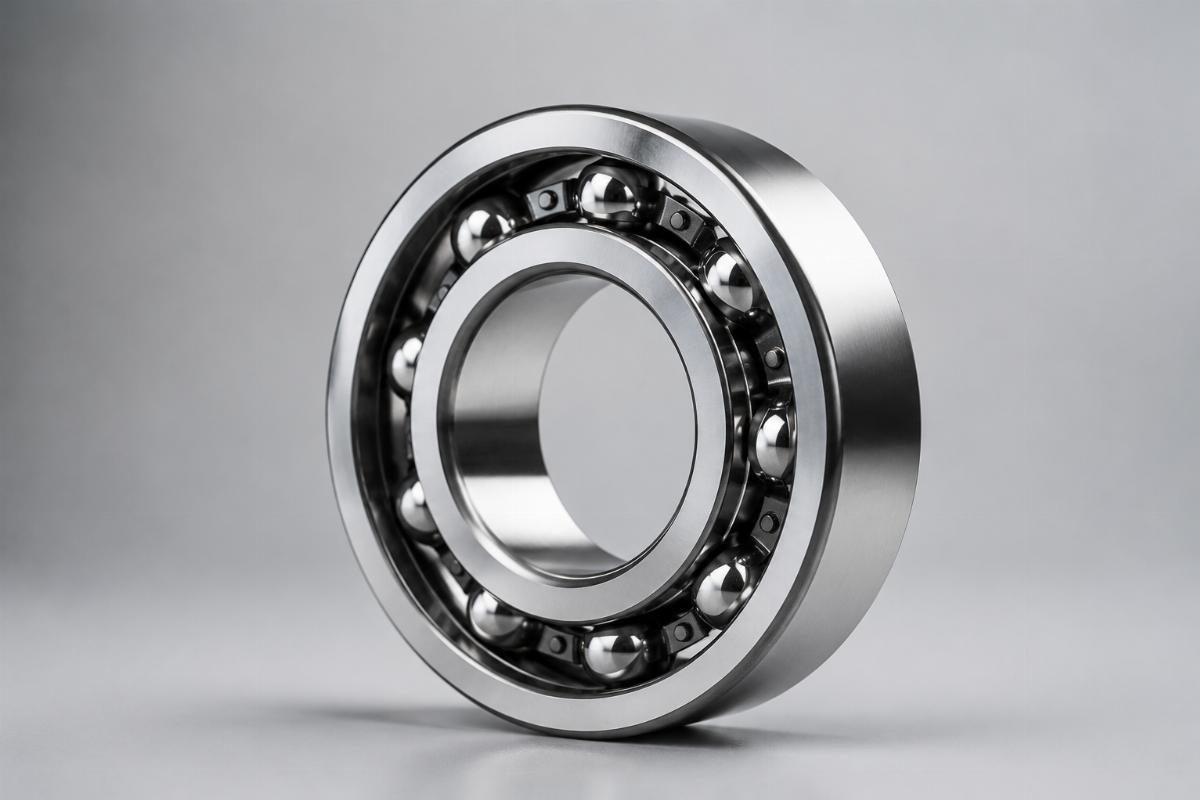
The practical steps for buyers are clear: quantify your facility’s hourly production value to prioritize reliability over initial savings, map critical SKUs for mission-critical equipment that require guaranteed stock, and verify that supplier certifications cover bearing manufacturing rather than general trading.
What Are the Most Common Mistakes in Bulk Bearing Supply Chain Procurement?
Buyers routinely fixate on unit price while overlooking the hidden costs of poor traceability, leading to counterfeit exposure, warranty disputes, and downtime losses that dwarf any initial savings. Three critical mistakes consistently undermine supply chain stability, each carrying measurable financial consequences.
| Evaluation Dimension | Common Mistake | Correct Approach |
|---|---|---|
| Product Origin Verification | Accepting "genuine" claims without manufacturing source documentation | Requiring batch-specific traceability reports including raw material test data |
| Inventory Management | Ordering large bulk quantities to secure lower prices, tying up capital | Utilizing phased delivery schedules with extensive in-stock SKU availability |
| Technical Support | Assuming bearings are plug-and-play commodities | Partnering with suppliers offering application-specific failure analysis and selection guidance |
A wind energy asset manager in Northern Europe purchased main shaft bearings based solely on price. The supplier provided generic quality certificates but could not verify material composition when the bearings failed prematurely. Metallurgical analysis revealed substandard alloy content. Switching to a P5 precision grade alternative with DIN EN 10204 3.1 certification extended service life meaningfully and eliminated a mid-seven-figure loss in turbine downtime. [NEED_CITE: metallurgical failure analysis standards per DIN EN 10204 certification requirements]
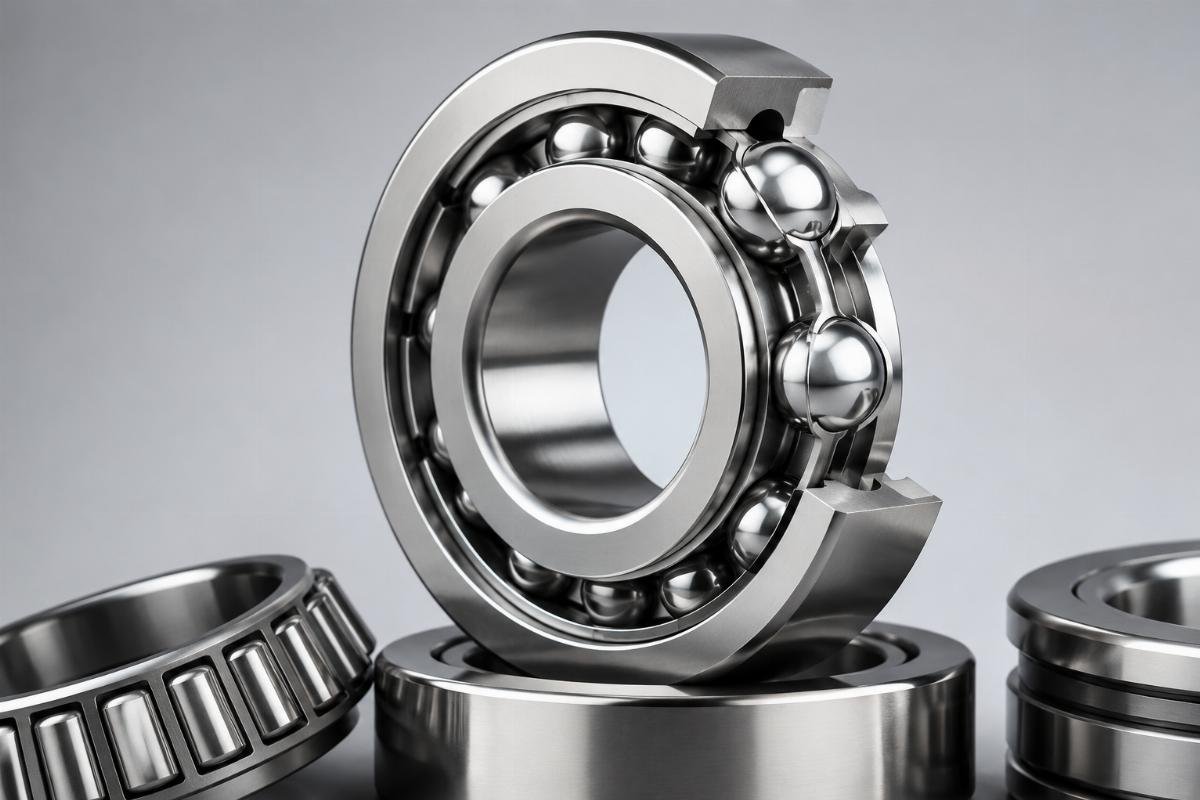
To avoid these pitfalls, buyers should audit traceability systems by requesting documentation for a random batch, test emergency response by confirming stock availability for critical SKUs, and evaluate technical team credentials through industry-specific case studies.
How to Evaluate Bulk Bearing Supply Chain Partners: 5 Key Criteria
Effective supplier evaluation requires looking beyond surface-level certifications to verifiable operational capabilities. The most reliable partners demonstrate measurable strengths across five criteria that directly impact supply chain stability for industrial buyers.
| Evaluation Criteria | Key Advantages | Ideal For |
|---|---|---|
| Full Traceability Systems | Eliminates counterfeit risk, enables failure root cause analysis | Plant MRO Managers, Wind Energy Asset Managers |
| Extensive In-Stock SKU Range | Emergency dispatch capability, reduced inventory holding costs | Mining Procurement Managers, Aftermarket Service Providers |
| Application Engineering Support | Optimized bearing selection, extended service life | OEM Engineers, EPC Project Officers |
| Self-Operated Global Warehousing | Consolidated shipments, noticeably lower freight costs [NEED_CITE: logistics cost analysis for consolidated bearing shipments] | Regional Distributors, Marine Procurement Specialists |
| ISO 9001 / IATF 16949 Certification | Consistent quality control, compliance with industrial standards | Automotive OEMs, Heavy Industry Plants |
A European agricultural machinery distributor struggled with inconsistent quality from multiple suppliers and restrictive minimum order quantities. Consolidating sourcing with a partner offering a broad range of agricultural bearing SKUs with flexible MOQs enabled the distributor to expand product range coverage substantially. Self-operated warehousing in Europe facilitated consolidated shipments, reducing freight costs noticeably, while technical cross-reference support helped serve a broader customer base.
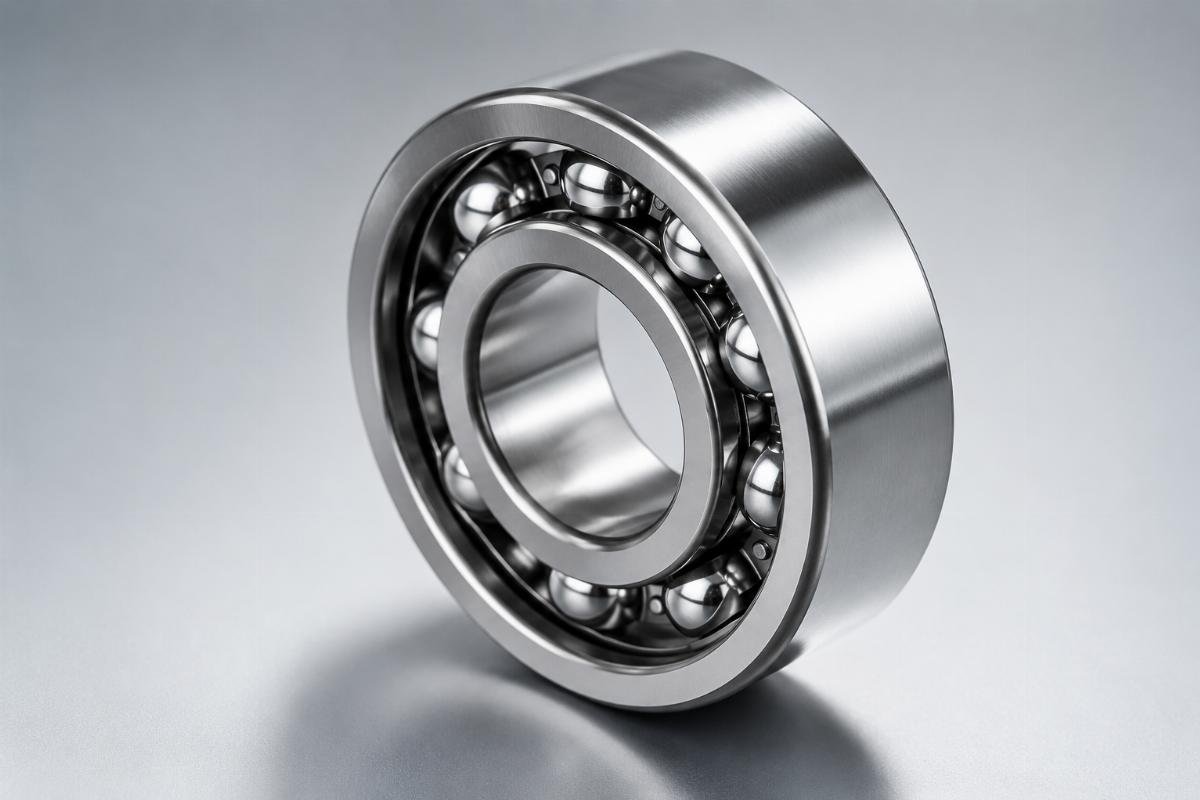
The evaluation process should include a traceability audit confirming batch-specific manufacturing records, an inventory check verifying stock levels for critical SKUs, a technical capability assessment through industry case studies, a logistics network review relative to your facilities, and quality system verification confirming certification scope covers bearing manufacturing.
What Is the Step-by-Step Process to Build a Stable Bulk Bearing Supply Chain?
A structured implementation process transforms supplier relationships into strategic supply chain partnerships that adapt to evolving operational needs. From initial qualification to ongoing performance monitoring, each step reduces risk while building the reliability that industrial operations depend on.
| Implementation Step | Qualified Standard |
|---|---|
| Supplier Audit | On-site verification of warehousing, quality control processes, and documentation systems |
| Trial Order | Full on-time delivery, pass rate of dimensional inspection per ISO 1907 standard |
| Contract Structuring | Inclusion of traceability guarantees, phased delivery schedules, and technical support clauses |
| Performance Monitoring | Defect rate held to a minimal threshold, high on-time delivery rate, and rapid resolution for technical issues [NEED_CITE: supplier performance benchmarking data for industrial bearing procurement] |
The process begins with a thorough supplier audit that goes beyond certificate verification to include physical inspection of warehousing conditions, quality control workflows, and document management systems. Trial orders should be structured to test both product conformance and logistical reliability under real operating conditions. Contract structuring must embed traceability guarantees and phased delivery schedules that align with your maintenance planning cycles. Ongoing performance monitoring should track defect rates, delivery punctuality, and technical response times against agreed benchmarks.
A steel mill in Southeast Asia reduced unplanned downtime by over half after switching to a bulk bearing supply chain in China built on these four steps, with full traceability and technical failure analysis integrated into the partnership. Similarly, a European distributor expanded SKU coverage substantially while improving margins through consolidated logistics and flexible ordering terms.
Conclusion
Supply chain stability in bulk bearing procurement is not about finding the lowest unit price—it is about building verifiable systems that eliminate counterfeit risk, guarantee emergency availability, and deliver application-specific technical support. Industrial buyers who prioritize traceability, logistics capability, and engineering partnership over initial cost savings consistently achieve lower total cost of ownership and dramatically reduced unplanned downtime.
Leave a Reply