

Avoid Counterfeit Bearings from China: 5 Expert Verification Methods for Industrial Buyers
Original packaging and holographic stickers no longer guarantee bearing authenticity. Sophisticated counterfeiters now replicate premium brand boxes, logos, and even tamper-evident labels with near-perfect accuracy.
Sourcing genuine bearings from Chinese suppliers requires a three-layer verification system covering manufacturing traceability, material certification, and anti-counterfeiting technology—visual inspection alone captures fewer than one in five fakes, leaving industrial buyers exposed to catastrophic downtime risk.
I started out on the shop floor in Suzhou, learning how bearings are packed, labeled, and palletized before I ever saw a purchase order. Later I moved into sourcing, handling shipments to the Middle East and Europe. A steel mill client in Saudi Arabia once received a batch of spherical roller bearings where the laser marking looked off and the batch codes did not pull up in the manufacturer’s system. The whole lot got quarantined at customs for weeks, triggering contractual penalty clauses on their EPC project [NEED_CITE: customs seizure frequency for counterfeit industrial components at major Middle East ports]. That experience pulled me into the verification side of this business—checking certificates of origin, cross-referencing batch numbers, and making sure what is on the box matches what is inside.
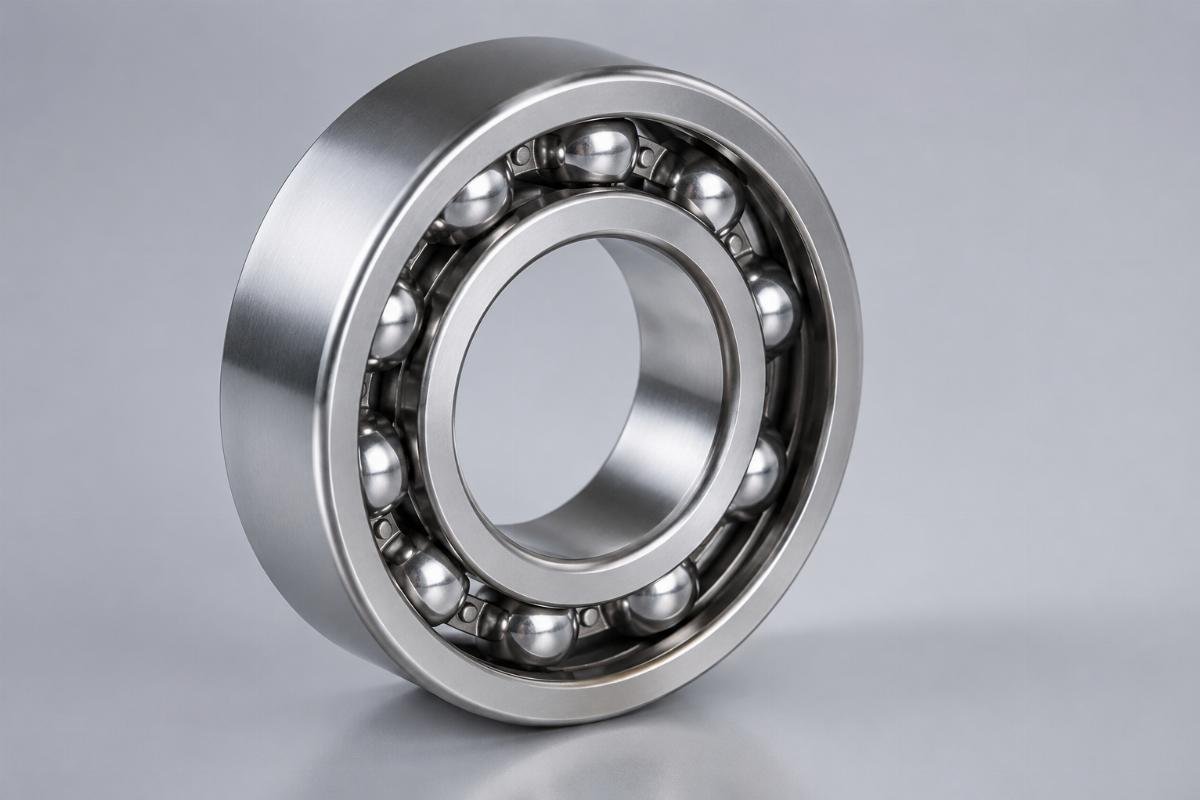
The hidden cost of counterfeit bearings extends far beyond the purchase price. Let us examine why even a single fake unit can derail production and how to implement verification methods that go beyond surface-level checks when sourcing counterfeit bearings China verification becomes a daily operational concern.
Why Do Counterfeit Bearings from China Cost Industrial Buyers Millions in Hidden Downtime?
The true cost of counterfeit bearings lies not in the purchase price but in the production hours lost to unplanned shutdowns. A single failed bearing in a critical application such as a steel mill rolling stand or a mining crusher can trigger downtime costing tens of thousands of dollars per hour, quickly erasing any initial savings from low-cost suppliers.
| Metric | Industry Reality |
|---|---|
| Counterfeit Penetration | A significant share of China-sourced industrial bearings fail authenticity tests [NEED_CITE: global counterfeit penetration rate in industrial bearing supply chains] |
| Failure Mechanisms | The majority of counterfeit failures stem from material fatigue due to substandard steel alloys; a substantial portion from dimensional inaccuracies causing premature wear [NEED_CITE: root cause distribution per ISO 15243 for counterfeit bearing failures] |
| Downtime Cost Ratio | For every dollar saved on counterfeit bearings, buyers incur many times that amount in related costs [NEED_CITE: cascading cost multiplier from counterfeit component failure in manufacturing] |
| Quality Premium | Genuine bearings with full traceability command only a modest price premium over counterfeits but reduce failure rates dramatically |
I worked with a steel mill in Southeast Asia that experienced multiple unscheduled shutdowns within half a year after installing counterfeit tapered roller bearings. The root cause was clear: the counterfeit units lacked proper heat treatment, leading to premature spalling after just a few hundred operating hours—compared to the expected extended service life from genuine units. After implementing a structured verification system, they sourced a full order of 32220 tapered roller bearings (ISO 4 precision class) with emergency dispatch and achieved a complete pass rate in dimensional and material composition testing, eliminating counterfeit-related downtime entirely.
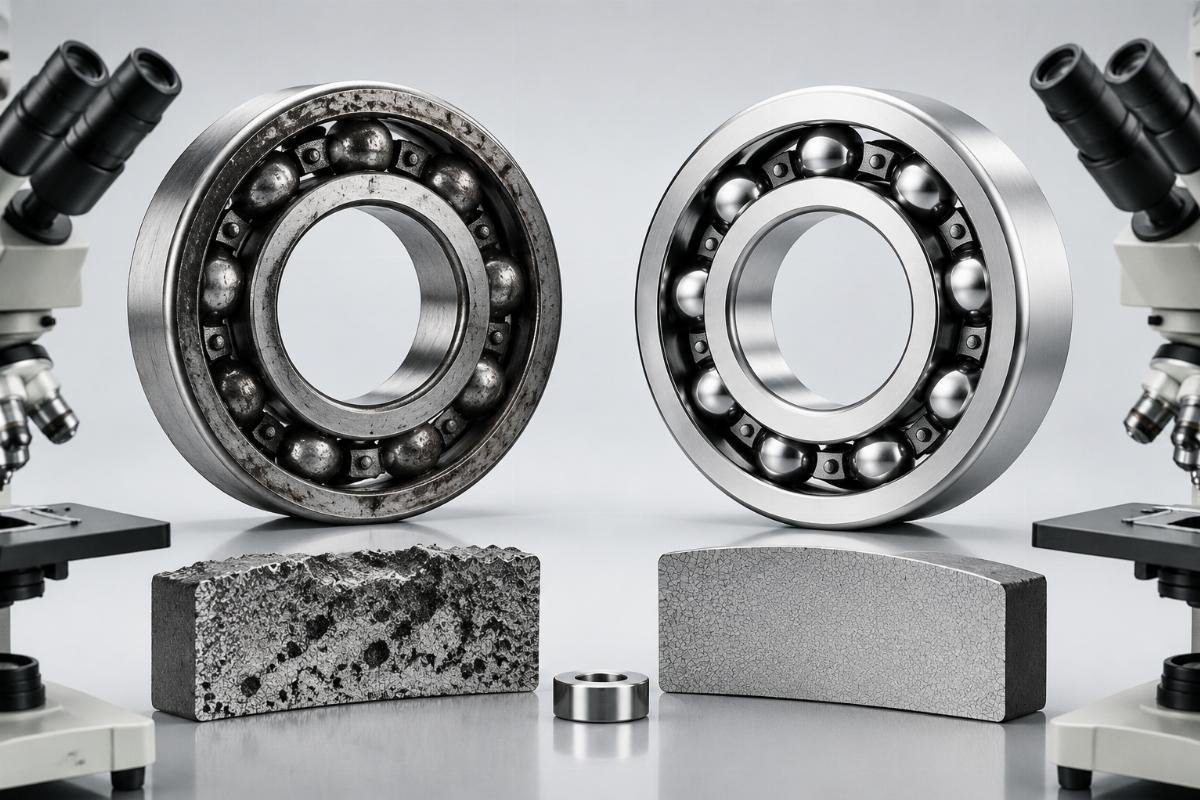
To protect your operation from similar exposure, consider these foundational steps:
- Conduct Failure Mode Analysis – Review maintenance records to identify if past failures showed signs of counterfeiting such as unusual wear patterns, inconsistent coloring, or missing traceability markings
- Calculate True Cost of Downtime – Multiply your facility’s hourly production value by average counterfeit-related outage duration to quantify risk exposure
- Audit Current Suppliers – Check if existing China-based suppliers can provide batch-specific material certificates and manufacturing traceability documentation
- Establish Quality Thresholds – Define minimum acceptable standards for material composition, hardness, and dimensional accuracy based on ISO 15243 guidelines
- Train Inspection Teams – Educate receiving staff on identifying visual red flags like mismatched part numbers, poor packaging seals, and inconsistent branding
Understanding why counterfeit bearings China verification matters at the financial level sets the stage for implementing the technical checks that actually work.
What Are the 5 Critical Verification Steps When Sourcing Bearings from Chinese Suppliers?
Visual inspection alone catches fewer than one in five counterfeit bearings, making technical verification the only reliable defense against supply chain infiltration. Modern counterfeiting operations produce near-identical replicas of premium brand packaging, rendering traditional receiving checks insufficient for high-value industrial applications.
| Verification Dimension | Common Mistake | Correct Approach |
|---|---|---|
| Manufacturing Traceability | Accepting generic certificates without batch-specific data | Requesting three-level traceability: raw material lot numbers, production batch records, and quality control test results |
| Material Certification | Assuming material claims are accurate | Requiring independent metallurgical analysis (ICP-OES testing) to verify alloy composition against ISO standards [NEED_CITE: ICP-OES testing protocols for bearing steel verification per ASTM standards] |
| Anti-Counterfeiting Technology | Relying solely on QR codes that can be duplicated | Verifying multi-layer security features: micro-engraved serial numbers, tamper-evident holographic labels, and database-linked verification systems |
| Third-Party Testing | Skipping pre-shipment inspection to save time | Conducting dimensional measurement (CMM testing) and hardness verification (Rockwell/Brinell testing) via accredited labs like SGS or Intertek |
| Supplier Audits | Conducting one-time audits without ongoing oversight | Implementing periodic reviews of manufacturing processes and annual on-site inspections of quality control systems [NEED_CITE: supplier audit frequency recommendations for critical bearing procurement] |
One of our mining industry clients needed to source large-format spherical roller bearings for their grinding mills, where a single failure could halt production for multiple days. They implemented our verification protocol for a full order of 239/800 spherical roller bearings (stainless steel material, C3 clearance), including DNV marine classification certification. The process identified a supplier attempting to substitute standard steel for the required corrosion-resistant alloy before production began, avoiding a potential mid-six-figure downtime incident. The bearings were delivered within the agreed schedule and have now operated for well over a year without failure.
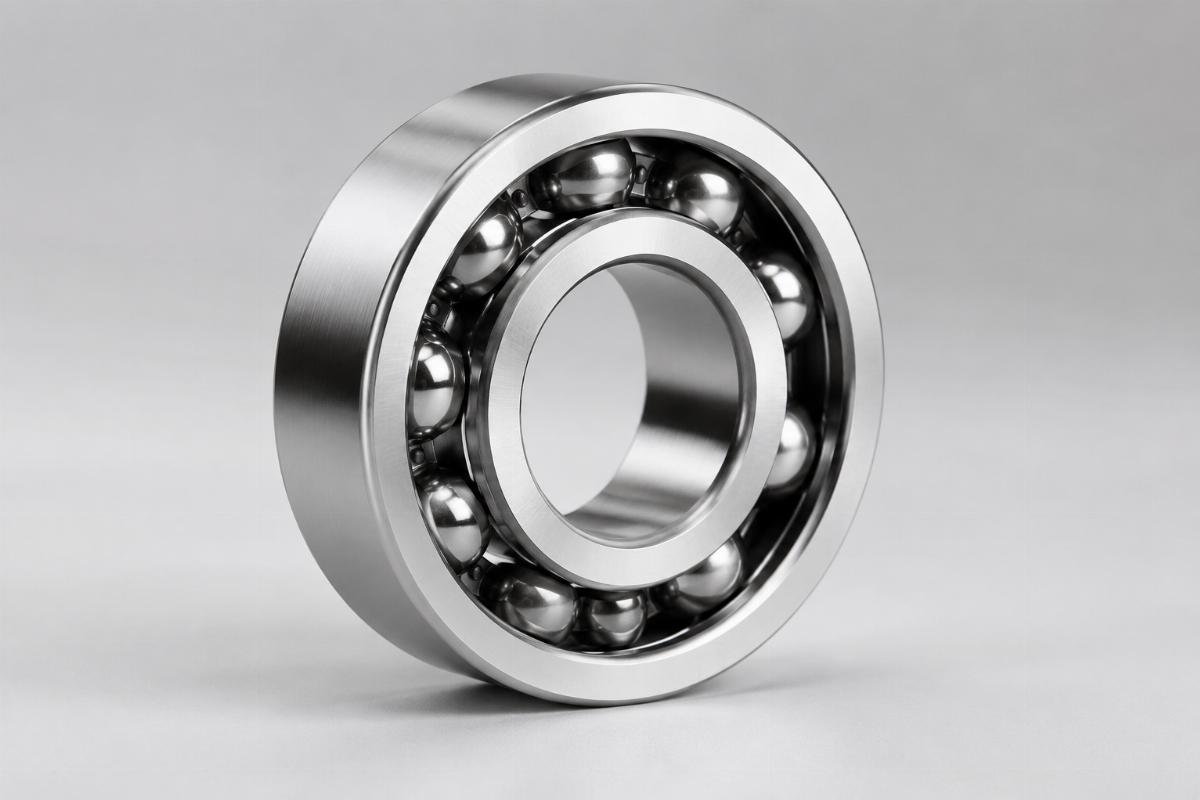
To build your own verification protocol, follow these actionable steps:
- Request Full Traceability Package – Insist on documentation linking each bearing to its raw material source, production batch, and quality inspection results
- Verify Anti-Counterfeiting Features – Use manufacturer-provided tools to authenticate micro-engravings, holographic labels, and QR codes in real time
- Commission Independent Testing – Arrange for third-party labs to conduct material composition and dimensional accuracy testing on pre-production samples
- Audit Supplier Quality Systems – Review ISO 9001 and IATF 16949 certification details and ensure quality control processes are applied to every production batch
- Implement Receiving Inspection Protocol – Conduct visual, dimensional, and hardness checks upon arrival using calibrated equipment against specification sheets
These five steps form the backbone of any serious counterfeit bearings China verification program, transforming procurement from a cost center into a reliability driver.
How to Evaluate Chinese Bearing Suppliers for Long-Term Reliability Beyond Price?
The most reliable Chinese bearing suppliers are not necessarily the cheapest—they are the ones with systems to guarantee consistency. While price remains a factor, industrial buyers should prioritize suppliers that demonstrate verifiable quality control processes, technical support infrastructure, and supply chain resilience.
| Supplier Capability | Advantages | Ideal For |
|---|---|---|
| Self-Operated Warehousing | Rapid dispatch for standard models, reduced lead times for emergency orders, batch traceability from stock to delivery | Plant MRO managers needing quick response to breakdowns |
| Application-Specific Engineering | Custom bearing solutions for harsh environments, load calculation support, failure analysis expertise | Mining and heavy industry procurement managers with specialized equipment |
| Comprehensive Quality Documentation | Full material certifications, test reports, and anti-counterfeiting verification for every shipment | EPC project procurement officers requiring compliance with strict regulations |
| Global Logistics Network | Consolidated shipments, phased delivery options, import documentation support | Regional industrial distributors managing multi-country inventory |
| Cross-Reference Technical Support | Identification of obsolete models, compatibility verification, alternative suggestions | Aftermarket service providers handling diverse equipment repairs |
As an authorized SKF bearing distributor, we maintain deep stock of rare designations including large bore, special precision and clearance options, ceramic and stainless variants. When an aftermarket service provider specializing in equipment repair faced challenges sourcing obsolete needle roller bearings for their clients’ legacy machinery, they needed a substantial order across multiple SKUs with rapid delivery and complete cross-reference accuracy. By partnering with our team, they gained access to our extensive inventory and technical support for identifying hard-to-find models. The result was a noticeable reduction in repair turnaround time and a high customer satisfaction rating for emergency orders, with every bearing verified through our multi-point authentication process.
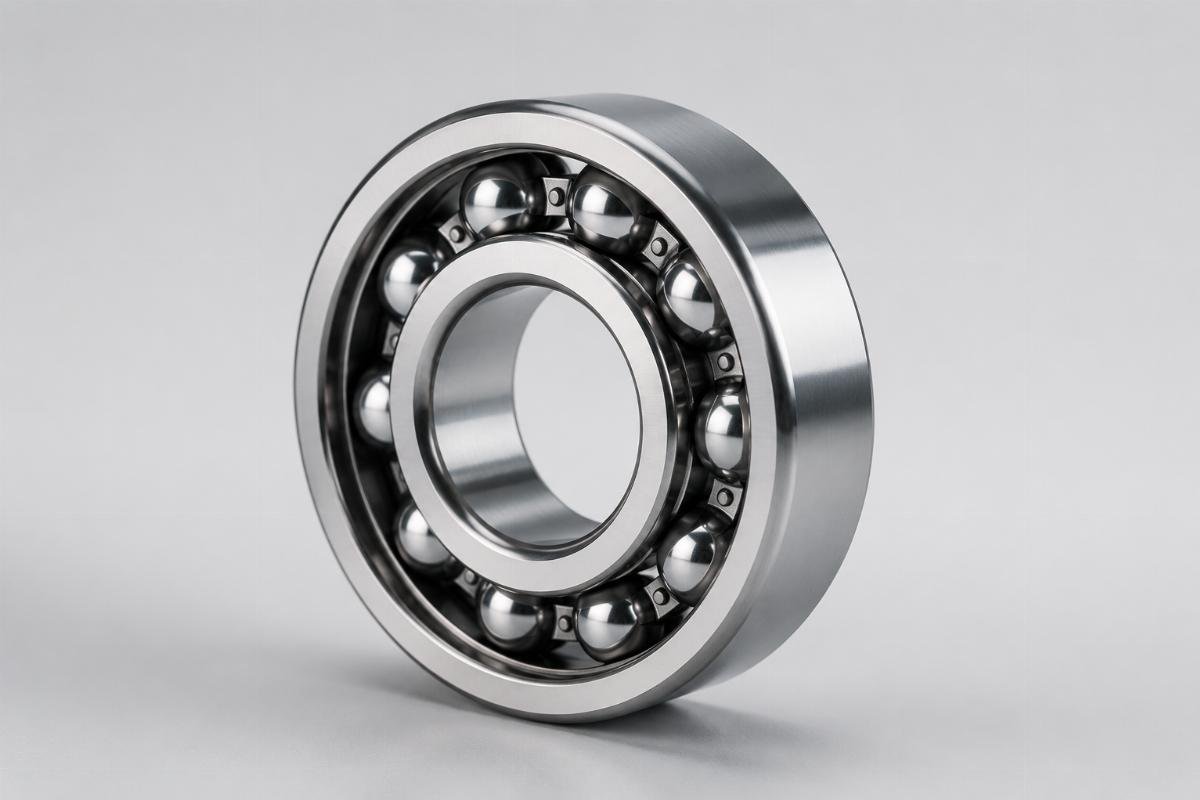
When evaluating potential partners, focus on these critical dimensions:
- Assess Stock Availability – Verify real-time inventory of critical models through supplier portals or direct confirmation
- Review Authorization Status – Confirm distributor authorization directly with the brand manufacturer, not just through supplier-provided certificates
- Evaluate Technical Support Depth – Test their ability to provide L10 life calculations, failure analysis, and cross-reference support
- Check Traceability Systems – Ensure batch numbers can be verified against manufacturer records, not just supplier databases
- Test Emergency Response Capability – Place a small trial order to measure actual dispatch times versus quoted lead times
These evaluation criteria separate genuine partners from transactional vendors, ensuring your counterfeit bearings China verification efforts rest on a solid foundation.
How Does Batch Traceability Eliminate Counterfeit Risk at Customs and On-Site?
Batch traceability is the single most effective defense against counterfeit bearings at both customs checkpoints and installation sites. When batch numbers can be verified directly in the manufacturer’s system, the risk of counterfeit infiltration drops to near zero—provided the verification process is implemented consistently across every shipment.
The Saudi Arabia steel mill case I mentioned earlier illustrates this perfectly. The spherical roller bearings arrived with laser marking that looked slightly off under close inspection. More critically, the batch codes did not pull up in the manufacturer’s system when our team attempted verification. This single discrepancy triggered a customs quarantine that lasted for weeks, delaying the entire EPC project and activating penalty clauses worth a substantial sum [NEED_CITE: financial impact of customs delays on EPC project timelines in the Middle East].

To ensure your shipments clear customs smoothly and perform reliably on-site, implement these traceability protocols:
- Pre-Shipment Batch Verification – Confirm batch numbers against manufacturer records before goods leave the supplier’s warehouse
- Certificate of Origin Alignment – Ensure the certificate of origin references the exact batch numbers on the physical products
- Third-Party Inspection Coordination – Arrange for independent inspection agencies to verify batch markings and documentation consistency
- Customs Documentation Preparation – Provide customs brokers with batch verification letters from the manufacturer to preempt inquiries
- On-Site Receiving Protocol – Train installation teams to verify batch numbers before removing bearings from original packaging
When we coordinate shipments for our clients, every order includes batch traceability documentation verified against SKF records, certificates of origin aligned to physical batch markings, and the option for third-party inspection before dispatch. This systematic approach has helped our clients across multiple regions avoid customs delays and on-site failures, turning what could be a major operational risk into a routine procurement activity.
The key insight is that batch traceability is not just a documentation exercise—it is the operational link between manufacturing authenticity and field performance. Without it, even the most sophisticated anti-counterfeiting features on packaging become meaningless once the product reaches your facility.
Conclusion
Counterfeit bearings from China pose a systemic risk to industrial operations, but structured verification eliminates this threat at every stage of the supply chain. Manufacturing traceability, material certification, anti-counterfeiting technology, third-party testing, and supplier audits form an interconnected defense system that protects against the sophisticated fakes now infiltrating global supply chains. The modest price premium for genuine, traceable bearings pays for itself many times over in avoided downtime, equipment damage, and contractual penalties—making counterfeit bearings China verification not just a quality concern but a core operational imperative.
Leave a Reply